Introduction
In our last lesson, we focused on the art of diagnosis, using consultative frameworks like SPIN to systematically uncover the needs, priorities, and challenges of your stakeholders. You learned how to ask questions that guide others to articulate their own problems and the potential value of a solution. This is the essential first step in effective influence.
Today, we complete the influence loop. We will move from diagnosis to prescription, learning how to take the insights you've gathered and forge them into compelling proposals that align perfectly with stakeholder priorities. This lesson is about structuring your recommendations so they are not just heard, but seen as the logical, necessary solution to the problems you've helped uncover. By the end of our session, you'll have a clear process for connecting your ideas to what your audience truly values, significantly increasing your chances of gaining buy-in.
From Needs Discovery to Value Creation
The previous lesson was about understanding the stakeholder's world—their "customer profile," to borrow a term from business strategy. We identified their jobs-to-be-done (what they're trying to accomplish), their pains (frustrations, risks, obstacles), and their gains (desired outcomes, benefits, aspirations).
The next step is to explicitly connect your proposal to this profile. Your recommendation is your "value map," and it must directly address the stakeholder's needs. A powerful tool for visualizing this connection is the Value Proposition Canvas.
Strategyzer's Value Proposition Canvas Explained
This video from Strategyzer, the creators of the Value Proposition Canvas, provides a clear and concise explanation of how to align what you offer with what your customer needs.
To build on what we learned about discovery, please watch the following segments: First, review the Customer Profile from this clip. This should feel very familiar, as it formalizes the discovery process we practiced with SPIN questions. Next, watch the explanation of the Value Map from this section, which details your "pain relievers" and "gain creators." This is the essence of your proposal. Finally, see how these two sides come together to create "fit" from this segment. The core idea is simple but profound: a great proposal isn't about listing features; it's about demonstrating how your solution relieves specific pains and creates specific gains for the stakeholder.
Structuring Your Proposal as a Persuasive Narrative
Once you have clarity on what value you're offering (the "fit"), you need to present it in a compelling way. The most effective proposals are not lists of facts; they are stories. They establish a shared context, introduce a challenge, and present a clear resolution.
Top consulting firms like McKinsey have perfected this, using a narrative structure often called SCR (Situation, Complication, Resolution) or SCQA (Situation, Complication, Question, Answer). This framework is a powerful way to organize your thinking and your final document or presentation.
- Situation: The non-controversial reality. "Here's where we are."
- Complication: The change or problem that disrupts the situation. "Here's the challenge we face."
- Resolution (or Answer): Your recommendation. "Here's what we should do about it."
This structure takes your audience on a logical journey, making your conclusion feel inevitable.
Storytelling in PowerPoint: Learn McKinsey’s 3-Step Framework
This video by Dan Galletta breaks down the exact storytelling framework used by top consultants to build persuasive presentations. It provides a masterclass in structuring a recommendation.
Please watch the following segments carefully: First, get an overview of the SCR framework from this part of the video. Pay attention to how it creates a logical flow from a shared starting point to a clear action. Next, see how this framework is applied in practice by watching the breakdown of a real McKinsey deck from this analysis. This shows how a complex argument can be distilled into a simple, powerful story. Finally, learn the practical method for building your storyline before you even open PowerPoint, using the dot-dash structure, from this tutorial. This reinforces our theme: diagnose and strategize before you prescribe. The "dot-dash" method is particularly valuable. The "dots" form your high-level SCR narrative, and the "dashes" are the data and evidence that support each point. This ensures your story is not only compelling but also credible.
Tailoring Your Message for Every Stakeholder
In any significant decision, you're rarely influencing just one person. A project may involve a financial approver (CFO), a technical implementer (IT Manager), and a direct user (Team Lead). Each has different "pains" and "gains." A one-size-fits-all message is unlikely to succeed.
Your core SCR storyline remains the same, but the emphasis must change for each audience. This is where your stakeholder discovery pays off. You must map your value proposition to each individual's unique priorities.
A Practical Approach to Honing in on Your Value Proposition
This article from G1 Consulting Group provides an excellent guide to mapping your message to the specific concerns of different decision-makers.
Please read the following two sections: First, study Phase 3: Map Your Stakeholder Ecosystem. This section provides a crucial checklist of questions to ask about each stakeholder to understand their motivations and potential objections. Then, read Phase 4: Craft Multi-Dimensional Messaging. This explains how to use your stakeholder map to develop messaging that emphasizes business outcomes and speaks to each person's priorities.
For example:
- To the CFO (Pain: Budget overruns): You emphasize the ROI and cost-savings aspect of your resolution. Your SCR story might be titled "A Plan to Reduce Operational Costs by 15%."
- To the IT Manager (Pain: Integration nightmares): You emphasize the technical feasibility and compatibility with existing systems. Your story might be "A Phased Implementation Plan for Seamless System Integration."
- To the Team Lead (Pain: Manual, repetitive work): You emphasize the time saved and reduction in errors. Your story could be "A Solution to Automate Manual Reporting and Free Up 10 Hours Per Week."
The underlying proposal is the same, but the framing is tailored to what each stakeholder values most.
Aligning Your Proposal with Strategic Business Goals
Finally, the most powerful proposals connect a specific recommendation to the organization's broader strategic objectives. This elevates your idea from a simple "fix" to a strategic contribution. Your work in AI and tech makes this connection especially important.
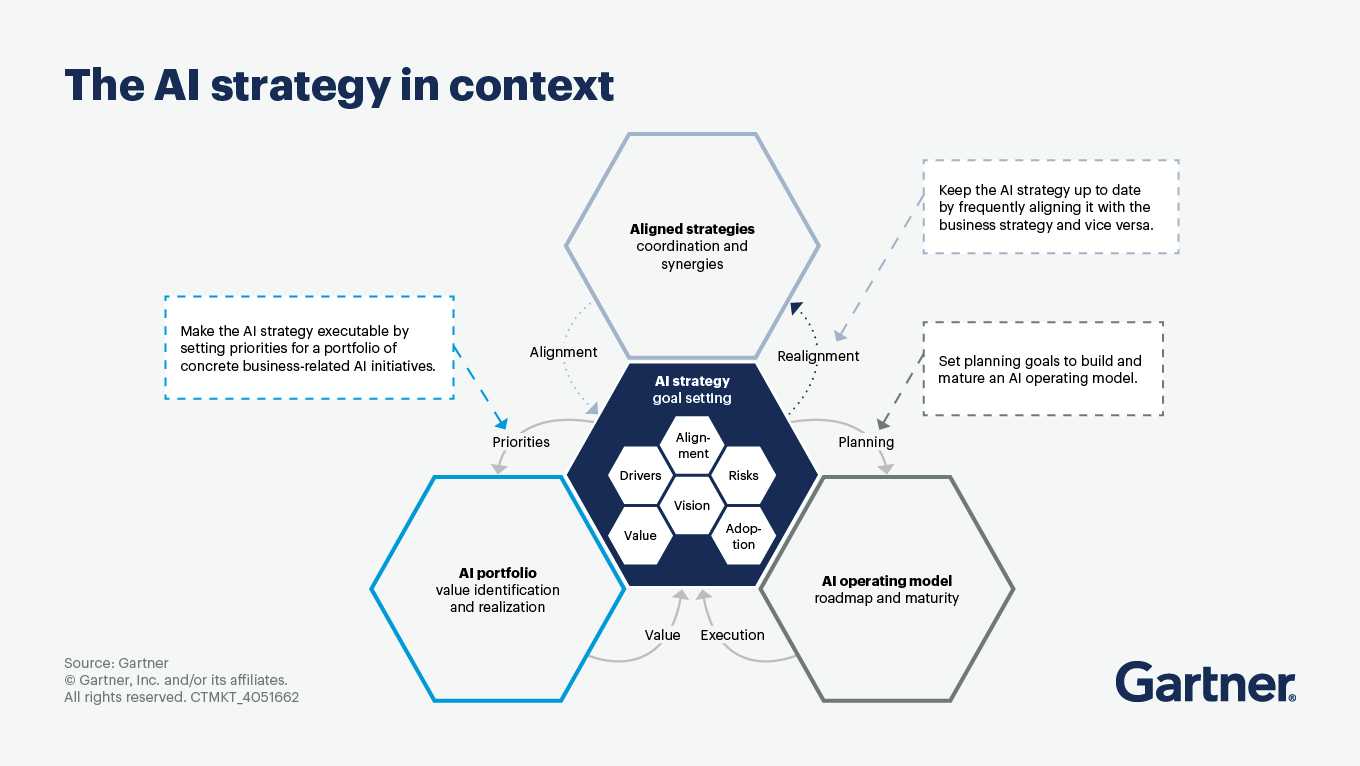
Your proposal should not exist in a vacuum. It should be a clear step towards achieving a larger, recognized business goal.
Aligning AI Goals with Business Objectives: A 7-Step Strategic ...
This article from B-EYE outlines a strategic process for ensuring AI projects deliver business value. It provides a high-level context for the proposal-writing skills we are discussing.
To see how your proposals fit into the bigger picture, please read these sections: 1. Define Clear Business Objectives: Your proposal should always connect back to one of these overarching goals. 3. Quantify Value: This reinforces the need for "dashes" in your dot-dash storyline. You must provide evidence (like ROI analysis) to support your claims. 4. Develop a Strategic AI Roadmap: Your proposal can be presented as a key milestone within a larger strategic plan, giving it greater weight and importance.
By framing your recommendation this way—as a well-structured, evidence-based solution that is tailored to key stakeholders and aligned with company goals—you move beyond simply making a suggestion. You are presenting a compelling business case.
Conclusion
You have now completed the journey from discovery to influence. You started by learning to diagnose stakeholder needs with consultative questioning, and today, you've learned how to craft a targeted, persuasive prescription.
Key Takeaways:
- Achieve "Fit": The most effective proposals create a clear fit between stakeholder needs (pains, gains, jobs) and your solution's benefits (pain relievers, gain creators). The Value Proposition Canvas is an excellent model for this.
- Structure as a Story: Use the SCQA/SCR (Situation, Complication, Resolution) framework to build a logical and persuasive narrative that guides your audience to your conclusion.
- Tailor the Emphasis: While your core resolution may be consistent, you must tailor the framing of your story to address the specific priorities, pains, and success metrics of each key stakeholder.
- Align with Strategy: Elevate your proposal by connecting it to the organization's broader business objectives. Show how your recommendation isn't just a good idea, but a necessary step toward achieving strategic goals.
With these skills, you are now equipped to not only identify opportunities for improvement but also to build the consensus needed to make them a reality.
This lesson serves as a perfect capstone for our module on influence and a bridge to our next topic. In the upcoming module, Communicating Technical Concepts to Business Audiences, we will dive deeper into the "what" of your proposals, focusing on how to explain complex technical ideas—like those in AI—in a way that is clear, accessible, and compelling for the very stakeholders you've learned to analyze.