Introduction
Welcome back. In our last lesson, we used Force Field Analysis to map the landscape of your "Project Phoenix" transformation. We concluded that the driving forces are only marginally stronger than the restraining forces, putting the entire initiative at risk of stalling. This analysis makes one thing clear: you cannot shift this balance alone. The question is, who will help you?
Today, we will answer that question by focusing on a critical step in any successful transformation: building a powerful team to lead the charge. Your learning outcome for this lesson is to design and build a guiding coalition of sponsors and change champions. This group will be the engine of your transformation, providing the leadership, influence, and momentum needed to overcome resistance and drive the change forward.
This lesson directly builds on our previous work. The action plans you started to devise in the Force Field Analysis will be championed and executed by the very people you are about to recruit.
The Guiding Coalition: Your Transformation Engine
A large-scale transformation is too complex and politically charged to be driven by a single individual. Success requires a dedicated team of influential leaders working together. In his highly influential change management framework, John Kotter calls this group the guiding coalition. It is the second and arguably one of the most crucial steps in his 8-step model.
To understand the role of the guiding coalition, let's watch a segment from a video explaining Kotter's model.
Kotter's 8-Step Change Model Explained
This video, 'Kotter's 8-Step Change Model Explained' from EPM, provides a concise overview of the model. We'll focus on the specific step of building a coalition.
Please watch from 02:02 to 03:04. As you watch, focus on why Kotter argues you need a powerful coalition and what kind of diversity you should aim for in the group.
As the video highlighted, the goal is to bring together a group with enough power and influence to drive the change, working together outside the normal organizational hierarchy. This is not just another committee; it's a dynamic team of change leaders.
Anatomy of an Effective Coalition
What makes a coalition powerful? It's not just about gathering senior executives. A truly effective guiding coalition has a balanced blend of four critical characteristics. Your experience in organizational design will be valuable here as you think about both formal and informal sources of power and influence.
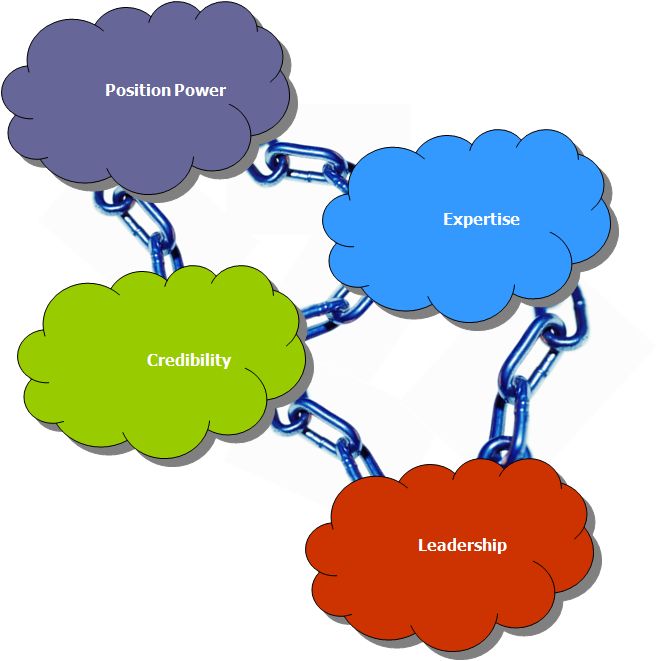
Let's break down each component:
- Position Power: This is the most straightforward component. You need key individuals with formal authority in the hierarchy—think VPs, directors, and heads of major departments. Their involvement signals that the transformation is officially sanctioned and provides the authority to unblock resources and make critical decisions.
- Expertise: Your coalition needs people who understand the transformation from different angles. For "Project Phoenix," this means including technical experts in microservices and AI, product managers who understand the market, and operations leads who know the delivery process inside and out.
- Credibility: This is about influence that isn't on an org chart. You need people who are highly respected and trusted throughout the organization. When a respected senior architect or a top-performing salesperson—people whose opinions matter—vocally supports the change, others are more likely to listen and follow.
- Leadership: This is distinct from position power. You need individuals who can articulate the vision, motivate others, and drive the change with energy and passion. These leaders might not have the highest titles, but they possess the skills to inspire and mobilize people.
A missing component can cripple your efforts. A coalition with position power but no credibility will be seen as a top-down mandate to be resisted. A coalition with expertise but no position power will struggle to get the resources it needs.
Identifying and Recruiting Your Coalition
Knowing what you need is one thing; who to pick is another. A common mistake is to try and convince the most skeptical and resistant people to join your cause. A more effective strategy is to start with those who are already inclined to support you.
Simon Sinek offers a powerful perspective on this, based on the law of diffusion of innovations.
How to Create Change | Simon Sinek
In this clip from 'How to Create Change', Simon Sinek explains why you should focus your energy on the 'early adopters' rather than trying to win over the majority from the start.
Please watch from 01:12 to 03:57. Focus on the distinction between the 'early adopters' and the 'majority,' and his advice on where to focus your efforts to build momentum for change.
Sinek's advice to "start with why" and find the "early adopters" who believe what you believe is directly applicable to building your coalition. These are your natural change champions. They will form the core of a volunteer army that helps you win over the more skeptical majority later.
Structuring the Coalition: Sponsors, Promoters, and Activators
To move from a loose group of supporters to an effective change engine, it's helpful to define specific roles. A very practical model breaks the coalition into three key roles.
The 'Change Management Playbook' from the Washington State Office of Financial Management provides an excellent, actionable framework for structuring your coalition. It's designed for government but the principles are universal.
Please read the section 'Design Your Sponsorship' and the corresponding 'Sponsorship Model Overview' in the worksheet section (pages 7-8 of the PDF). Focus on understanding the distinct roles, responsibilities, and target audiences for the Sponsor, Promoters, and Activators.
To summarize this powerful model:
- The Sponsor: The project's "owner," a high-level executive who champions the change at the strategic level. This person ties the transformation to the company's overall strategy.
- Promoters: The Sponsor's "cabinet." These are the leaders of major departments (e.g., Head of Engineering, Head of Sales). They translate the strategic vision into what it means for their respective functions and manage implementation within their areas.
- Activators: The front-line champions. These are influential managers and supervisors who are directly involved with the teams impacted by the change. They make the case for how the change will improve daily work and are crucial for driving adoption at the grassroots level.
Together, these roles form the Sponsorship Coalition, a multi-layered structure that ensures leadership and advocacy at every level of the organization.
Application Exercise: Design the "Project Phoenix" Guiding Coalition
Now it's time to apply these concepts to your transformation. This exercise will help you create the blueprint for the team you need to build.
Your Task (20 minutes):
Using the Sponsor-Promoter-Activator model, outline the guiding coalition for "Project Phoenix."
- Fill in the table below.
- For each role (Sponsor, Promoter, Activator), identify the types of individuals or specific roles from your company (AlphaTech) who would be a good fit.
- In the "Key Attributes" column, list which of the four characteristics (Position Power, Expertise, Credibility, Leadership) are most critical for that role and why.
- In the "Recruitment 'Why'" column, write a single sentence you would use to appeal to their values and beliefs to get them to join your coalition, following Simon Sinek's advice.
| Role | Potential AlphaTech Candidate(s) (Job Title / Type) | Key Attributes Needed & Why | Recruitment 'Why' |
|---|---|---|---|
| Sponsor | e.g., The CEO or CTO | Position Power (to authorize resources), Leadership (to inspire the board) | e.g., "This isn't just a tech upgrade; it's about securing our place as the market innovator for the next decade." |
| Promoter(s) | |||
| Activator(s) |
Click here to see a sample answer after you've completed your own.
| Role | Potential AlphaTech Candidate(s) (Job Title / Type) | Key Attributes Needed & Why | Recruitment 'Why' |
|---|---|---|---|
| Sponsor | The CTO | Position Power (to secure budget and override departmental silos), Leadership (to align the executive team and board around the vision). | "This transformation is our chance to stop playing catch-up and build the agile, innovative engineering culture we've always talked about." |
| Promoter(s) | VP of Engineering, VP of Product Management, VP of Sales | Position Power (to lead their departments), Credibility (their teams must trust their direction), Expertise (to translate the vision into their domain). | "We need you to help us design a future where your teams can deliver value to customers faster and more effectively than ever before." |
| Activator(s) | Respected Principal Engineer, Top-performing Sales Engineer, A Customer Success Manager known for solving tough problems | Credibility (they are trusted by peers), Expertise (they understand the daily pain points of the current system), Leadership (they can motivate their colleagues informally). | "You see the problems every day. We need your help to build the solution and show everyone that a better way of working is possible." |
Activating Your Coalition
Identifying your team is just the first step. A guiding coalition is not self-organizing. Once formed, it needs a clear purpose, defined goals, and a plan for communication and action.
The Change Management Playbook (LINK) suggests two immediate next steps after identifying your members:
- Develop a Sponsor Plan: Equip your sponsors, promoters, and activators with the key messages and talking points they need. Define who they should be talking to and what they should be saying. This ensures a consistent and aligned message across the organization.
- Develop a Coaching Plan: Plan how you will support and encourage the members of your coalition. Regular check-ins keep them accountable and provide an opportunity to address challenges and refine the strategy.
We will explore the detailed strategies for leading this coalition in our next lesson. For now, the key takeaway is that building the coalition is an active process of recruitment, alignment, and continuous support.
Conclusion
In this lesson, you've moved from diagnosing the need for change to designing the human engine that will drive it. You now have a structured methodology for building a powerful guiding coalition, a critical factor in the success of any major transformation.
Key Takeaways:
- You Can't Do It Alone: Large-scale change requires a powerful and diverse guiding coalition, not a single heroic leader.
- Balance is Key: An effective coalition blends Position Power, Expertise, Credibility, and Leadership.
- Recruit the Willing: Focus on attracting the "early adopters" who share your vision, rather than trying to convert the skeptics first.
- Structure for Success: Using a model like Sponsor, Promoter, and Activator provides clarity of roles and ensures leadership at all levels.
Preview of the Next Lesson:
You have now designed the "who" of your transformation. You have a blueprint for a multi-layered coalition of sponsors and champions. But how do you lead them? How do you maintain their energy, focus their efforts, and ensure they work as a cohesive team over the long haul?
In our next lesson, we will focus on exactly that, as we learn to develop strategies for leading a guiding coalition to drive and sustain transformation momentum.