Welcome to your fourth lesson. In our last session, you explored the primary product sourcing models—dropshipping, wholesale, and private label—and considered which might best fit your goals. Regardless of the model you lean towards, one constant remains: your business will depend on the reliability of another company. Today, we focus on how to choose that partner wisely.
This lesson addresses the critical task of building a process to vet and select a reliable supplier. Your professional background in B2B client relations and business development will be a significant asset here. The core principles of due diligence, relationship assessment, and risk management are directly transferable. Our goal is to adapt those principles into a structured, repeatable framework specifically for the world of e-commerce and physical products. By the end of this lesson, you will have a clear, actionable process for moving from a long list of potential suppliers to a trusted partner.
1. A Framework for Supplier Vetting
Before diving into online supplier directories, it's essential to establish what you're looking for. A haphazard search is inefficient and risky. A structured approach, centered on a comprehensive checklist, ensures you gather the right information to make a sound decision.
The information you need to collect can be grouped into four main categories.
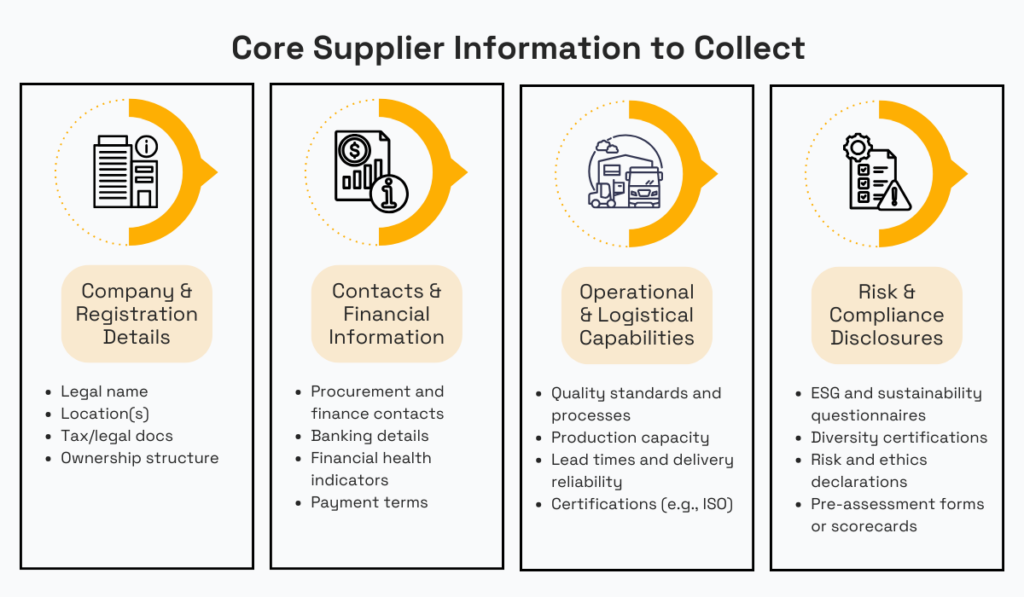
These categories form the foundation of our vetting process. Now, let's explore the specific criteria within each.
Supplier Vetting Checklist Master Your Supply Chain
The article "Supplier Vetting Checklist" from Million Dollar Sellers provides an excellent, in-depth framework that we'll use as our guide. It breaks the process down into ten critical checks.
Begin by reading the introduction. It effectively frames supplier selection not as a gamble, but as a "rigorous, data-driven process" to build a resilient business. Pay attention to how it links a strong supplier to brand reputation and profitability.
2. The Core Vetting Criteria
Using the four categories from the image as our structure, let's break down the essential checks you need to perform. We'll draw on the detailed points from the Million Dollar Sellers article.
A. Company, Financials, and Reputation
This area focuses on the supplier's business legitimacy, financial health, and track record. A great product idea is worthless if the manufacturer goes bankrupt or has a history of failed partnerships.
- Financial Stability: A financially weak supplier might cut corners on quality or fail to deliver. You need a partner that can sustain operations and grow with you.
- Past Performance & References: A supplier's history is the best predictor of your future experience. Verifying their track record provides unfiltered insight into their reliability.
Supplier Vetting Checklist Master Your Supply Chain
Let's delve into how to assess a supplier's stability and history.
Read section 1. Financial Stability & Credit Verification. Focus on the actionable steps, such as requesting financial statements and verifying references. Next, read section 6. Past Performance & References Verification. Again, concentrate on the actionable steps, particularly the advice to request a diverse reference list and conduct direct phone interviews. Your B2B outreach skills will be very useful here.
B. Operational and Logistical Capabilities
This is about their ability to actually make and deliver your product consistently and to scale.
- Production Capacity: Can they handle your order volume, especially during peak seasons?
- Quality Control (QC): Do they have a documented system to prevent defects?
- Shipping & Logistics: How reliable are their lead times and shipping processes?
- Flexibility & Customization: Can they accommodate your unique product specifications or branding needs? This is crucial for private label.
Supplier Vetting Checklist Master Your Supply Chain
Now, review the sections covering the supplier's operational abilities. For each, focus on the "Actionable Steps for Verification."
Quickly read through these four sections to understand the key verification actions: 3. Production Capacity & Scalability Assessment: Note the suggestion to ensure their capacity exceeds your projections. 4. Quality Control & Testing Procedures: The key action here is to negotiate inspection rights before signing a contract. 8. Shipping, Logistics & Lead Time Capabilities: Focus on verifying their shipping terms and transit times. 9. Flexibility & Customization Capabilities: The ultimate test is to request custom samples based on your specifications.
C. Risk, Compliance, and Communication
This area covers legal protections, ethical standards, and the quality of your working relationship.
- Certifications & Compliance: Do they meet the safety and quality standards required for your product and market (e.g., FDA, CE)?
- Intellectual Property (IP) Protection: How do they protect your unique designs and branding from being copied? (Critical for private label).
- Ethical Practices: Do their labor and environmental standards align with your brand values?
- Communication: How responsive, clear, and professional are they? Poor communication is a major red flag.
The quality of communication is a direct predictor of a supplier's reliability. Your experience in client relations gives you a finely tuned sense for this. If a potential partner is slow, unclear, or evasive during the vetting process, they will be a liability when a real problem arises.
3. The Vetting Process in Action
Now that you know what to look for, let's outline the step-by-step process of finding and engaging with potential suppliers.
Step 1: Research and Initial Filtering
Your first task is to build a list of potential suppliers. Platforms like Alibaba are common starting points, but you must use their filtering tools to screen out low-quality or fraudulent vendors from the start.
Avoid Alibaba Scams: The Ultimate Guide to Finding Legit Suppliers
The "MyWifeQuitHerJob" channel offers an excellent, no-nonsense guide to safely sourcing on Alibaba. This video explains how to use the platform's built-in safety features.
Watch the section from Step 1: Filter. The host explains exactly which three boxes to check when you search: Verified Supplier, Trade Assurance, and response time. Pay close attention to the detailed checks Alibaba performs for a "Verified Supplier," as this initial filter does a lot of basic vetting for you.
Step 2: Ask the Right Questions
Once you have a shortlist of 3-5 promising suppliers, it's time to reach out. Your goal is to gather the data needed for your checklist. Be professional, clear, and specific in your inquiries.
How To Find A Good And Reliable Manufacturer Or Supplier For Your Product Idea
The "Learn With Shopify" channel provides a fantastic, actionable list of questions to ask.
Watch the segment from nine important questions. The presenter covers critical topics like: Minimum Order Quantities (MOQs) Production lead times Cost per unit and shipping costs Exclusivity and setup fees (especially for private label) Defect policies Ethical and sustainability practices Keep this list of nine questions as a template for your initial outreach emails.
Step 3: Watch for Red Flags and Verify Claims
As you communicate with suppliers, maintain a healthy skepticism. Scrutinize their websites, communications, and claims. It's your responsibility to "trust but verify."
Master Supplier Vetting in 2026 With Advanced Tactics ...
This article from SaleHoo is excellent for developing a fraud-prevention mindset. It highlights common red flags and verification tactics.
First, read the section Spotting Red Flags Early. This provides concrete things to look for, such as inconsistent company information or suspicious-looking reviews. Next, read Understanding Key Standards and Certifications. The key takeaway here is to never just take a supplier's word for it; always verify a certificate's authenticity with the issuing authority.
Step 4: Order and Evaluate Samples
This is the single most important verification step. A physical sample tells you everything about a supplier's true quality and attention to detail.
How To Find A Good And Reliable Manufacturer Or Supplier For Your Product Idea
Let's return to the Shopify video for a masterclass on managing the sampling process.
Watch the section from order samples. The host explains the crucial concept of a control sample: a final, approved sample that you both sign and keep to benchmark all future production against. He also introduces the product approval waiver, a document to use if a batch is acceptable but not perfect, which protects you from "quality fade" over time.
4. Making a Defensible Decision
After gathering all this information—proposals, answers to your questions, and physical samples—you need to synthesize it to make a final decision. Avoid relying on gut feeling alone. A structured evaluation makes your choice objective and defensible.
Supplier Vetting Checklist Master Your Supply Chain
The final section of the Million Dollar Sellers article provides a professional method for making your selection.
Read the section From Checklist to Contract. Focus on the strategy of implementing a Weighted Scoring System. This involves creating a scorecard, assigning weights to the criteria that matter most to your business, and scoring each supplier. This transforms your research into a quantitative comparison, removing emotional bias.
Creating a supplier scorecard is the final piece of your vetting process. It's a living document that you will use not only for initial selection but for ongoing performance evaluation.
Conclusion
Today, we've constructed a robust, multi-step process for vetting and selecting e-commerce suppliers. This framework moves you from hopeful guessing to confident, data-driven decision-making, adapting your existing professional skills to this new context.
Key Takeaways:
- Start with a Framework: Use a comprehensive checklist covering a supplier's financials, operations, compliance, and communication.
- Filter and Question: Use platform tools to create an initial shortlist, then ask specific, detailed questions about their capabilities and policies.
- Trust but Verify: Actively look for red flags. Independently verify certifications and, most importantly, always order samples.
- Use a Scorecard: Synthesize your research into a weighted scoring system to make an objective, defensible decision. A strong supplier relationship is a legal one, codified in a contract that protects your business.
In our next lesson, we will tackle the financial implications of this decision. Now that you have a process for selecting a partner, we will learn how to calculate your product pricing, incorporating the sourcing, shipping, and handling costs you've begun to uncover.