Introduction
In our previous lesson, you built the Prioritized Audit Roadmap, transforming your findings from a simple list of problems into a strategic, actionable plan that a client's product manager can immediately use. This deliverable alone justifies your audit fee by showing you understand not just design, but also development reality and business priorities.
However, a one-off audit, no matter how valuable, still leaves you hunting for the next project. The real goal, and the focus of this lesson, is to convert that initial success into a predictable, recurring revenue stream. You will learn how to propose a recurring "performance review" re-audit, turning your one-time project into a long-term partnership. The audit isn't the final product; it's the gateway to a retainer.
By the end of this lesson, you will have created two critical sales assets: a Retainer Proposal slide for your Figma audit template and a corresponding email script to present it to the client.
1. The Mindset Shift: From One-Off Project to Ongoing Partnership
Your primary goal is to establish stable, high-value client relationships, not to be a gig-worker. Retainers are the key to this, providing predictable income and allowing you to do more impactful work by building deep product knowledge.
To understand the fundamentals of why retainers are so valuable for both you and the client, start with this quick overview.
How To Get Retainer Clients [Episode 12]
The video 'How To Get Retainer Clients' from Flux Academy provides a concise explanation of what retainers are and the different models you can use. This will frame our tactical approach.
Watch the following segments: What is a retainer? (00:00 - 02:00): Focus on the concept of predictable income and reduced stress. Types of retainers (02:00 - 04:11): Pay close attention to the 'fixed-item based' and 'need-based' models. A recurring UX audit is a type of fixed-item retainer. Transitioning project-based clients (05:45 - 08:52): This section explains the core principle of turning a single project into a long-term engagement by emphasizing the value of iteration and continuous improvement.
The key insight is that an audit is the diagnosis. The client still needs the treatment and, more importantly, ongoing health monitoring. Your 'performance review' re-audit is that monitoring service.
2. Packaging the "Performance Review" Retainer
You're not selling "more work." You're selling an outcome: sustained business performance. Your recurring audit protects the client's investment and ensures their key metrics are continuously optimized.
To sell this, you must connect your UX work directly to the KPIs that a founder or product manager cares about.
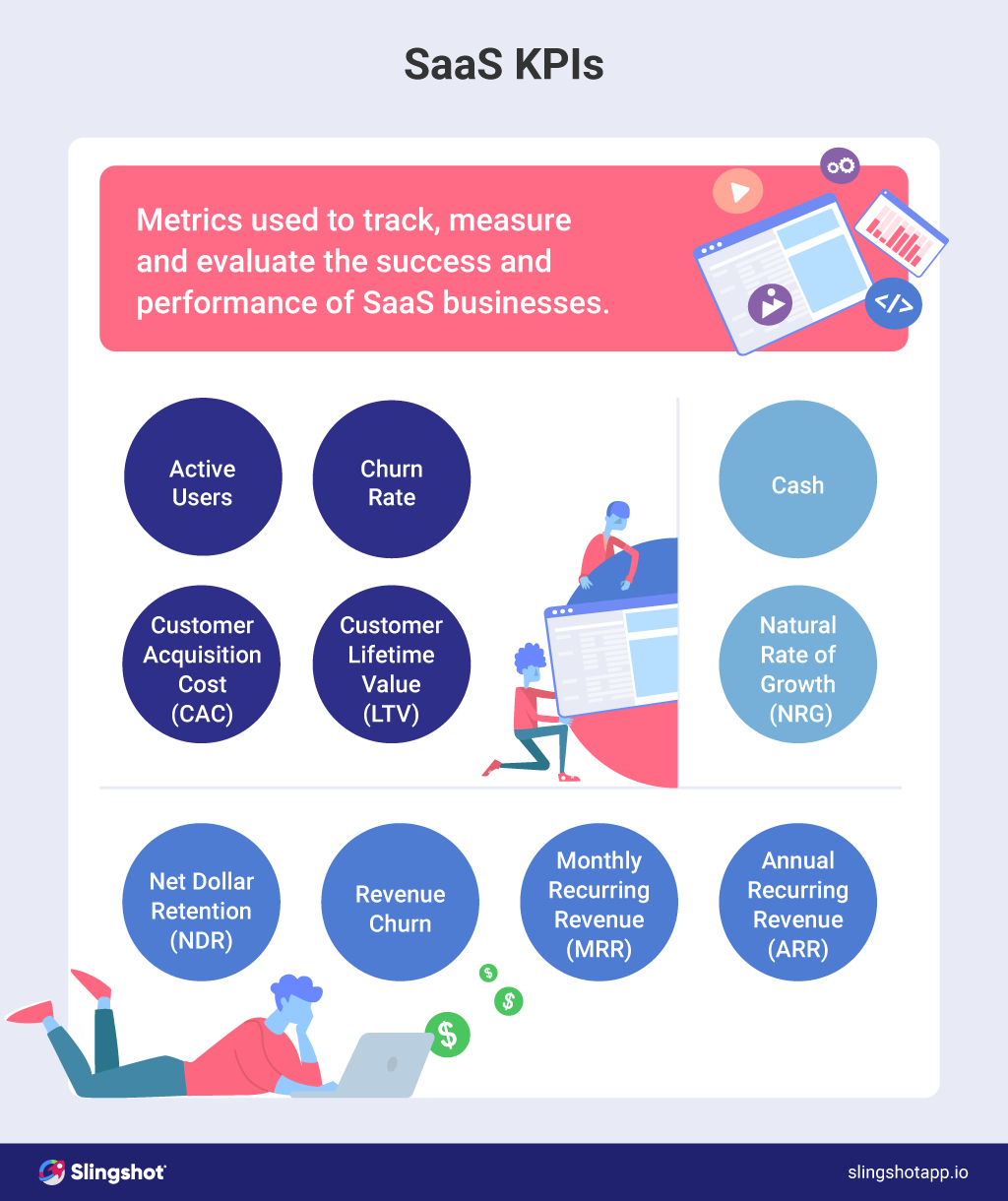
Your retainer proposal will package your service into tiers. This is a classic pricing strategy that frames the decision around "which option is best?" rather than "should I buy this or not?".
You will structure your offering as a "Protect & Optimize" retainer. This framing, borrowed from the resource below, is powerful because it speaks to a client's fear of loss (protecting what works) and desire for gain (optimizing for more growth).
Win Retainers from Upwork Projects: From One-Offs to MRR
The article 'Win Retainers from Upwork Projects' provides a tactical, platform-agnostic framework for packaging retainers. We will adapt its 'Protect & Optimize' model.
Read the sections 'Packaging: three outcome-led retainer types' and 'Pricing: keep it simple, protect margin'. Focus on the 'Protect & Optimize' archetype and the tiered pricing example. Ignore the references to Upwork; the strategy is universal.
Task 1: Define Your Retainer Tiers
Based on the resources, you will now define three tiers for your recurring "Performance Review" service. This structure provides a low-cost entry point and a clear path for upselling.
Here is a battle-tested structure. Document this for your own reference.
-
Tier 1: Monitor (e.g., ~$1,000/month)
- Scope: Quarterly UX Health Check & KPI Review.
- What you own: A light, recurring audit every three months to catch regressions and identify new friction points introduced by product updates.
- Deliverable: A concise quarterly report with an updated
Prioritized Audit Roadmap. - Value Prop: "An inexpensive insurance policy to protect your user experience."
-
Tier 2: Optimize (e.g., ~$2,500/month)
- Scope: Monthly Performance Review & Optimization Sprint.
- What you own: A full re-audit every month, tracking core KPIs, and designing the solution for one "quick win" from the findings.
- Deliverable: A monthly performance report, an updated roadmap, and a Figma prototype for one key improvement, ready for developer handoff.
- Value Prop: "Systematic, month-over-month improvement of your core conversion and retention funnels."
-
Tier 3: Partner (e.g., ~$4,500/month)
- Scope: Monthly Review + Proactive Growth Experiments.
- What you own: Everything in Tier 2, plus proactive design of A/B tests for key pages (pricing, signup, etc.) and priority support via a dedicated channel.
- Deliverable: Everything in Tier 2, plus A/B test variant designs and a monthly strategy call.
- Value Prop: "An embedded UX partner focused on accelerating your product's growth."
3. The Deliverable: The Retainer Proposal Slide
You won't send a separate proposal. That creates friction. Instead, you will build the proposal directly into your audit report as the final, compelling call to action.
This approach is detailed in the Lee Darius article, which positions the retainer as the logical conclusion of the audit.
UX Audit Tool: Evaluate Websites & Landing Pages
The article 'UX Audit Tool' by Lee Darius perfectly illustrates how to transition from an audit to a retainer. We will model our final deliverable on this.
Read the sections 'The Conversion Path (The 3-Step Close)' and 'What to Say When They Ask “What’s Next?”'. Pay close attention to 'Option C — Ongoing UX Optimisation (Retainer)' and how it's presented as one of three choices.
Task 2 (30 minutes): Design the "Ongoing Partnership" Slide in Figma
- Open your Figma Project: Navigate to your
UX Audit Templatefile. - Add a New Slide: At the very end of your report, create a new frame titled "Next Steps: Ongoing Partnership".
- Design the Tiered Layout: Create three columns for your "Monitor," "Optimize," and "Partner" tiers.
- Populate Each Tier: For each column, include the following:
- Title: e.g., "Optimize"
- Price: e.g., "$2,500 / month"
- Value Proposition: e.g., "For teams that want to systematically improve KPIs."
- Bulleted List of Deliverables:
- Monthly UX Performance Audit
- Core KPI Tracking (MRR, Churn, Activation)
- 1x "Quick Win" Design Sprint
- Updated Prioritized Roadmap
- Highlight the Recommended Tier: Use a visual treatment (like a colored border or a "Most Popular" badge) to subtly guide the client toward your target offering, which is typically the Optimize tier.
This slide is now a permanent, reusable asset in your sales arsenal.
4. The Script: Making the Ask
Timing and language are critical. You propose the retainer when the client has just seen the immense value of your audit and is feeling the cost of inaction.
The best time to propose is when you deliver the final audit report. Your email should frame the retainer not as an upsell, but as the path to realizing the value you've just uncovered.
Here is a script you can adapt. It's direct, confident, and frames the retainer as the logical next step.
Email Subject: Final UX Audit Report & Recommended Next Steps for [Client Company]
Hi [Client Name],
Please find the final UX Audit report attached.
The analysis identified several high-impact opportunities to improve [mention a key metric, e.g., user activation and reduce churn], which are detailed in the Prioritized Audit Roadmap on page [X].
Executing on these findings is the first step. The next is to ensure that the product's UX health is continuously protected and optimized as you ship new features. Regressions are common and can quietly erode the KPIs we're working to improve.
To address this, the final page of the report outlines three simple Ongoing Partnership options, designed to provide sustained momentum. I believe the Optimize plan is the ideal fit to systematically address the findings and drive measurable results each month.
Happy to schedule a brief call to walk you through the key findings and discuss the implementation path.
Best,
[Your Name]
This script makes the approval a simple, two-click decision. You've given them the diagnosis (the audit) and prescribed the treatment plan (the retainer tiers).
Conclusion
You have now completed the final strategic component of your audit service. You've transformed a one-off project into a client acquisition engine for high-value, recurring revenue.
Key Takeaways:
- The Audit is the Beginning: Treat every audit as the start of a long-term relationship.
- Package for Outcomes: Frame your retainer as a "Protect & Optimize" service that directly impacts business KPIs. Use tiers to make the buying decision easier.
- Integrate the Proposal: Build your retainer offer directly into the final slide of your audit report to create a seamless transition from diagnosis to treatment.
- Propose with Confidence: Use a direct email script that frames the retainer as the logical next step to protect their investment and drive continuous growth.
Next Steps:
With a complete, high-value audit and retainer service designed, our focus now shifts from building the product to selling it. In our next lesson, we will begin the client acquisition phase by strategically building your professional identity on LinkedIn to attract the founders and product managers who will pay for this service.