Recommended resources
The freely available resources this lesson will direct you to.
Hello! Welcome back to the final lesson in our module on optimizing your sleep sanctuary.
In our last session, we established the crucial third pillar of a perfect sleep environment: a cool room temperature. You learned the protocol for setting your bedroom between 15-19°C (60-67°F) to allow your body to efficiently shed heat, a non-negotiable step for initiating and maintaining deep sleep.
Today, we'll build directly on that foundation. The learning outcome is to optimize your bedding and sleepwear choices based on their thermal properties to support stable sleep temperature. A cool room is only effective if your bedding and clothing don't sabotage the process by trapping heat. We will create a simple, actionable protocol for selecting materials that work with your body's natural cooling system, not against it.
The Core Mechanism: Breathability and Moisture-Wicking
When it comes to temperature regulation, not all fabrics are created equal. Two key thermal properties determine whether your bedding and sleepwear will help or hinder your sleep:
- Breathability: This is the fabric's ability to allow air to circulate. High breathability lets body heat escape and fresh, cool air reach your skin. Low breathability traps a layer of hot, stale air, causing you to overheat.
- Moisture-Wicking: This is the fabric's ability to pull sweat away from your skin to the fabric's surface, where it can evaporate. This process is one of your body's primary cooling mechanisms. Fabrics that don't wick moisture well leave you feeling damp and clammy, which can disrupt sleep.
To learn more about these core functions, the following article provides a concise overview.
Best Cooling Sheets of 2026: Expert-Tested and Reviewed
This article from Sleep Foundation, 'Best Cooling Sheets of 2026', directly explains the two primary ways 'cooling' sheets work. Understanding this is the basis for the entire protocol.
Read the section titled 'What Are Cooling Sheets?'. Focus on the two bullet points that explain how they keep you cool: breathability and moisture-wicking.
With this framework, we can now build a protocol for selecting the right gear.
Protocol 1: Selecting Your Bedding
Your bedding forms the micro-environment you spend your entire night in. Optimizing it is critical.
Step 1: Prioritize Material and Weave, Not Thread Count
A common marketing tactic is to emphasize high thread count as a measure of quality. While it can relate to softness, for temperature regulation, material and weave are far more important. A high thread count can sometimes mean a tighter, less breathable weave, which is the opposite of what we want.
Step 2: Choose Your Material
Different materials have distinct thermal properties. For a cool sleep environment, you should choose natural, breathable fibers. Synthetics like polyester tend to be less breathable and trap heat.
The following video from Sleepopolis gives a great overview of the most common materials and their characteristics.
Sheets Buying Guide - Which Type Are Best?
This 'Sheets Buying Guide' provides a clear, no-fluff breakdown of the key materials and weaves you'll encounter. It will help you distinguish between the options and make an informed choice.
Watch the segment from 02:56 to 05:10. Pay attention to the descriptions of Cotton, Bamboo, Tencel, and Linen, as these are your best options for temperature regulation.
Based on the video and sleep science, here are your top material choices for promoting cool sleep:
- Linen: Exceptionally breathable due to its hollow fibers and typically loose weave. It's a top choice for hot sleepers, though it has a more textured feel.
- Bamboo & Tencel (Lyocell): Known for being incredibly soft, silky, and excellent at wicking moisture. These are great all-around choices for temperature regulation.
- Cotton (specifically Long-Staple): A classic choice that is breathable and durable. Look for types like Egyptian or Supima for higher quality and better feel.
Step 3: Select Your Weave
The weave is how the threads are constructed into a fabric, and it has a major impact on breathability. The two most common weaves are percale and sateen.
- Percale: Uses a simple one-thread-over, one-thread-under pattern. This creates a light, crisp, and highly breathable fabric with a matte finish. This is the recommended weave for cool sleeping.
- Sateen: Uses a three- or four-threads-over, one-thread-under pattern. This creates a silkier, heavier fabric that drapes more and traps more heat. It is less breathable and not ideal for temperature regulation.
Step 4: Match Your Duvet to Your Room Temperature (The TOG Protocol)
For your duvet or comforter, you can use a standardized system called the TOG (Thermal Overall Grade) rating. This is a simple number that tells you how insulating the duvet is.
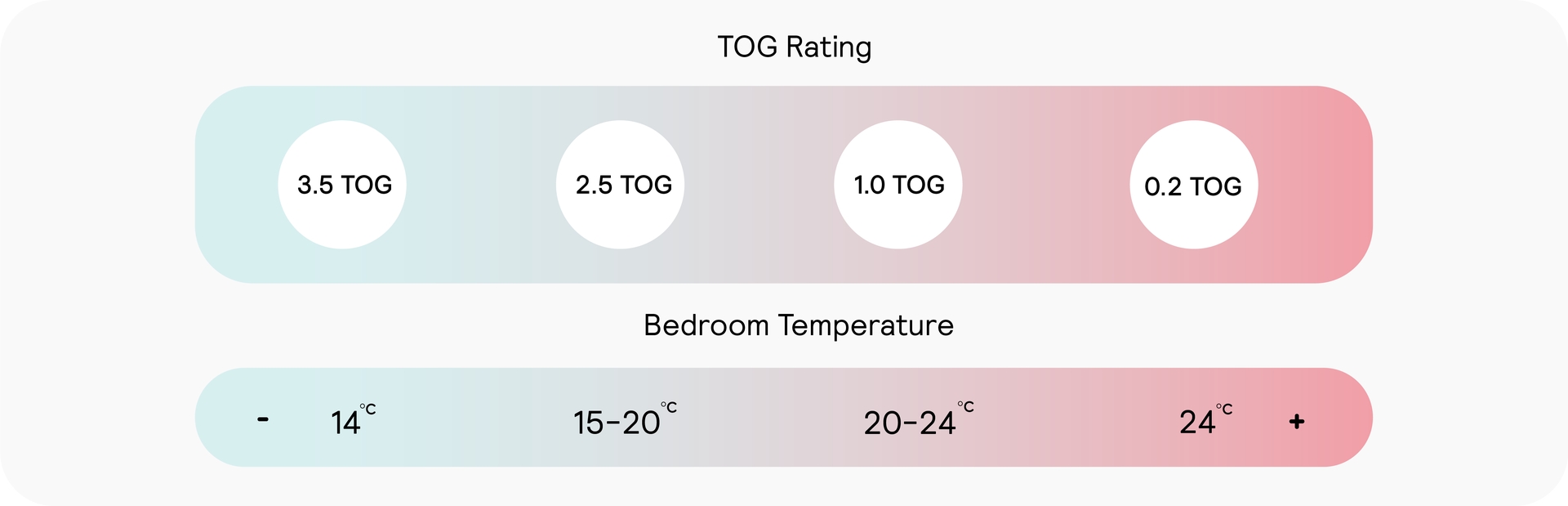
By using the TOG system, you can choose a duvet that provides just enough warmth without causing you to overheat in the cool room you've created.
Test your understanding!
You are shopping for new bedding. You have set your bedroom thermostat to 18°C. You find two options within your budget:
- A 600-thread-count polyester sheet set with a sateen weave.
- A 300-thread-count cotton sheet set with a percale weave.
Which option is the correct choice according to the protocol, and why?
Show answer
Option 2, the 300-thread-count cotton sheet set with a percale weave, is the correct choice.
Here's why:
- Material: Cotton is a natural, breathable fiber. Polyester traps heat.
- Weave: The percale weave is more breathable than the sateen weave.
- Thread Count: The lower thread count is irrelevant here because the material and weave are superior for temperature regulation. The high thread count of the polyester set would likely make it even less breathable.
Protocol 2: Selecting Your Sleepwear
The principles for sleepwear are identical to bedding: prioritize materials that are breathable and moisture-wicking.
Night Sweats? Make Sure Your Pajamas Are Made of ...
This CNET article, 'Night Sweats? Make Sure Your Pajamas Are Made of...', provides a list of the best fabrics for sleepwear, reinforcing the principles we've already discussed.
Read the sections 'Best type of pajamas for the summer' and 'Sleep cool this summer with the right materials'. Notice that the recommended fabrics (Linen, Silk, Tencel, Cotton, Bamboo) are the same ones we identified for bedding. Also, note the advice on fit: loose and flowy is better.
The Sleepwear Protocol:
- Choose the Right Fabric: Stick to the same list of breathable, natural fibers: Cotton, Linen, Silk, Tencel, or Bamboo.
- Ensure a Loose Fit: Tight clothing restricts airflow around the body. Choose sleepwear that is loose and allows air to circulate freely.
- Consider Wicking Over Bare Skin: Interestingly, as the article notes, wearing moisture-wicking pajamas can be more effective for staying cool than sleeping naked. The fabric actively pulls sweat away from your skin, allowing it to evaporate more efficiently.
Conclusion
You have now completed the optimization of your entire sleep sanctuary. By controlling for light, sound, and temperature, you've created an environment that gives you the best possible opportunity for restorative sleep every night.
Key Takeaways:
- Your bedding and sleepwear create a "micro-environment" that must support your body's need to shed heat.
- Prioritize breathability and moisture-wicking properties. Focus on material and weave, not thread count.
- For Bedding: Choose natural fibers like linen, bamboo, or cotton with a percale weave. Match your duvet's TOG rating to your room's temperature.
- For Sleepwear: Choose loose-fitting garments made from the same breathable, natural fibers.
With your sleep environment fully optimized, we will now shift our focus to daytime protocols that protect your night's sleep and maximize your daytime energy. In our next lesson, we will begin Module 5 by implementing the delayed caffeine protocol, a simple but powerful tool to prevent the dreaded midday energy crash.