Recommended resources
The freely available resources this lesson will direct you to.
- How to Use Caffeine & Coffee to Improve Focus | Dr. Andrew Hubermanwww.youtube.com
- You'll Regret not knowing these things about COFFEE☕ - Neuroscientist Andrew Hubermanwww.youtube.com
- Use Caffeine for Mental & Physical Performancewww.hubermanlab.com
- You've Been Drinking Coffee Too Early in the Morningratiocoffee.com
Hello and welcome to the first lesson of our new module, "Daytime Protocols for Alertness."
In the previous modules, we focused on building your sleep sanctuary and mastering the foundational elements of sleep hygiene. You've learned how to control light, sound, and temperature to create the optimal environment for restorative sleep at night. Now, we shift our focus to the daytime to ensure the habits you practice during the day support, rather than sabotage, your energy levels and sleep quality.
Today, we'll tackle one of the most common culprits behind midday energy slumps. The learning outcome for this lesson is to implement the delayed caffeine protocol (wait 90-120 minutes after waking) to prevent midday energy crashes. This is a simple but powerful timing shift that can dramatically smooth out your daily energy curve.
The "Why": Deconstructing the Midday Crash
To understand why a morning coffee can lead to an afternoon crash, we need to revisit a key molecule we discussed in Module 1: adenosine. Adenosine is the molecule that builds up in your brain the longer you are awake, creating "sleep pressure."
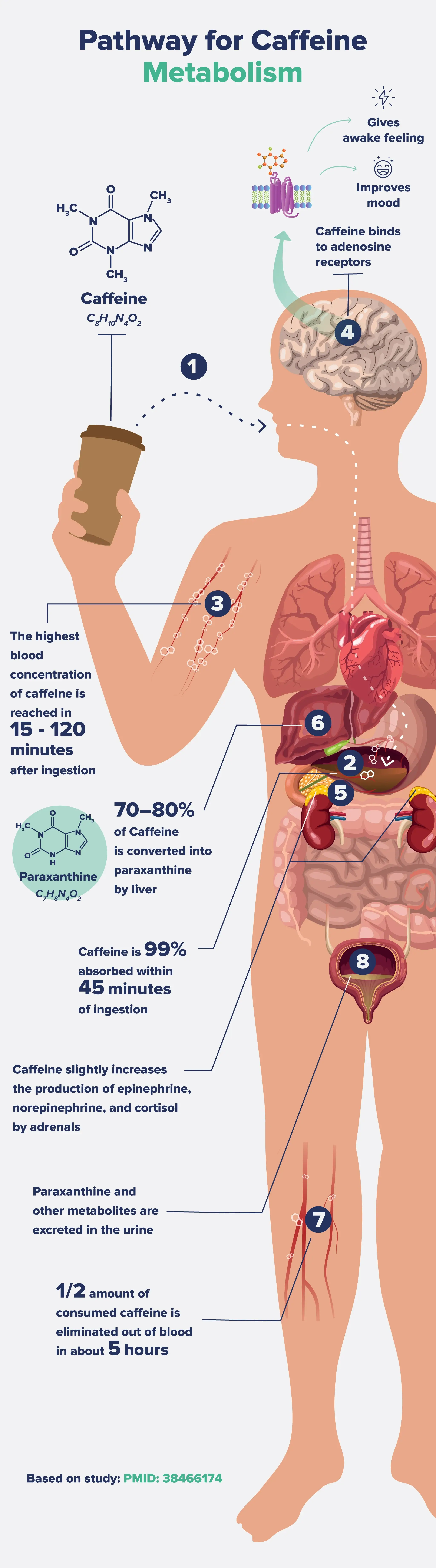
When you drink caffeine, it works by blocking the adenosine receptors in your brain. It doesn't get rid of the adenosine itself; it just parks in its spot, preventing you from feeling its fatiguing effects. This is where the problem starts.
The following video explains this mechanism and how it leads to the dreaded afternoon crash.
You'll Regret not knowing these things about COFFEE☕ - Neuroscientist Andrew Huberman
In this clip, neuroscientist Andrew Huberman explains the direct relationship between morning caffeine, adenosine, and the afternoon energy crash. This is the core mechanism behind the protocol we are about to implement.
Watch the segment from 01:10 to 03:06. Focus on the explanation of how caffeine acts as a 'competitive antagonist' to adenosine and why this leads to a crash when the caffeine wears off.
To summarize the key points:
- Morning Adenosine: When you wake up, your body is still in the process of clearing out the adenosine that built up the previous day.
- Caffeine Blocks Receptors: If you drink coffee immediately, caffeine rushes in and blocks the adenosine receptors.
- Adenosine Builds Up: The uncleared adenosine, plus new adenosine being produced, continues to accumulate in your system, but you don't feel it because the receptors are blocked.
- The Crash: Around midday or early afternoon, as the caffeine starts to wear off, the receptors become available again. All the accumulated adenosine floods these receptors at once, causing a sudden and significant dip in energy—the "crash."
The Protocol: Wait 90-120 Minutes
The protocol to prevent this is simple: Wait 90 to 120 minutes after waking before you have your first intake of caffeine.
This waiting period gives your body enough time to naturally clear out the majority of the residual adenosine from your system. When you then introduce caffeine, it is working against a much lower baseline of adenosine. This prevents the massive rebound effect later in the day, leading to a smoother, more stable energy curve.
There's a secondary reason this works, related to a hormone called cortisol. To understand this and see the protocol in action, the following article provides a very clear, step-by-step guide.
You’ve Been Drinking Coffee Too Early in the Morning
This article, 'You’ve Been Drinking Coffee Too Early in the Morning', explains the protocol from the perspective of both adenosine and cortisol, your body's natural alerting hormone. It also lays out a simple morning routine to follow.
Read the sections 'The Science of Cortisol and Morning Alertness' and 'When to Time Your First Cup for Maximum Effect'. This will show you how waiting allows you to leverage your body's natural wake-up signal before adding caffeine.
In essence, your body produces a peak of cortisol in the first hour after waking to naturally promote alertness. By drinking caffeine during this peak, you're not getting much additional benefit and may be building a faster tolerance. Waiting allows you to ride the natural wave of cortisol first, and then use caffeine to extend your alertness as cortisol levels naturally begin to decline.
How to Implement the Delayed Caffeine Protocol
Here are the exact steps to put this protocol into practice, transforming your morning routine from one that causes a crash to one that sustains energy.
Step 1: Wake Up and Hydrate
Before anything else, drink a large glass of water (400-500ml or 16oz). You wake up dehydrated, and dehydration itself causes fatigue. Rehydrating is the first step to boosting alertness. For an added benefit, as recommended in the Huberman Lab newsletter, you can add a small pinch of salt or an electrolyte powder to help replenish electrolytes lost during sleep.
Step 2: Get Morning Light Exposure
This is a callback to our protocols in Module 3. As soon as you can after waking, get 10-30 minutes of direct sunlight exposure. This is the most powerful signal to your brain to shut off melatonin production and anchor your circadian rhythm, providing a strong, non-caffeinated wake-up signal.
Step 3: Move Your Body
Engage in some form of light physical activity. This could be a short walk (ideally outside, to combine with Step 2), stretching, or a few simple bodyweight exercises. Movement increases circulation and core body temperature, further contributing to wakefulness.
Step 4: Consume Caffeine (After 90-120 Minutes)
Once the 90-120 minute window has passed, you can have your coffee, tea, or other caffeinated beverage. By now, your body has had time to naturally clear out residual adenosine, and you've used other powerful tools (hydration, light, movement) to promote alertness. The caffeine you consume now will provide a cleaner lift without setting you up for a crash.
Test your understanding!
You wake up at 6:30 AM and feel groggy. Your immediate habit is to make coffee. According to the new protocol, what should you do instead? Outline the first three steps you would take, and state the earliest time you should have your coffee.
Show answer
- Step 1: Hydrate. Instead of making coffee, you should first drink a large glass of water.
- Step 2: Get Sunlight. Go outside or stand by a bright window to get morning light exposure.
- Step 3: Move. Do some light stretching or go for a short walk.
The protocol requires waiting 90 minutes (1.5 hours). Therefore, the earliest you should have your coffee is 8:00 AM.
Conclusion
You have now learned a simple, science-backed protocol to eliminate one of the most common causes of daytime energy crashes. By making a small adjustment to the timing of your morning caffeine, you can significantly improve your energy stability throughout the day.
Key Takeaways:
- Drinking caffeine immediately upon waking interferes with the natural clearing of adenosine, leading to a "rebound" crash in the afternoon.
- The Protocol: Wait 90 to 120 minutes after waking before your first caffeine intake.
- Use the waiting period to promote natural alertness through hydration, morning sunlight, and light physical movement.
- This strategy allows you to leverage your body's natural cortisol peak and prevents the adenosine-driven crash, resulting in smoother, more sustained energy.
In our next lesson, we will address the other side of the caffeine equation. Now that you know when to start drinking caffeine, we'll establish a protocol for when to stop to ensure it doesn't interfere with your sleep at night.