Recommended resources
The freely available resources this lesson will direct you to.
Hello! Welcome to the first lesson in our module, "Finishing the Film: Sound and Color."
In our last lesson, we focused on the director-editor collaboration, framing the picture edit as a process of "emotion engineering." We explored how pacing, rhythm, and associative cuts build the emotional architecture of a film. Now, we turn our attention to the other crucial half of that experience: sound.
Today's lesson is dedicated to how sound design shapes what we feel. Your learning outcome is to analyze how sound design creates mood, texture, and emotional atmosphere in a scene. For a filmmaker like you, interested in surrealism and metaphor, sound is not merely an accompaniment; it is a primary tool for building worlds, conveying inner states, and immersing the audience in a distinct sensory reality. We will see that sound is as much a design element as costumes or lighting, a material to be sculpted to achieve a specific emotional effect.
1. You See With Your Ears
Before we break down the components of sound design, let's experience its power directly. We often believe that visuals are dominant in film, but sound is the invisible force that directs our attention, sets our emotional state, and even changes our perception of the image itself.
This video from Nerdwriter1 provides a powerful demonstration of this principle.
See With Your Ears: Spielberg And Sound Design
The video 'See With Your Ears: Spielberg And Sound Design' brilliantly illustrates how sound acts as the 'puppet master' of the viewing experience. It will show you how a sound mix can completely alter the mood and your point of view within a scene.
Watch the video from the beginning until 06:42. Pay close attention to these key ideas: The Intro Experiment (00:40 - 03:26): Notice how changing the sound design completely alters your perspective on the exact same shot. The sound tells you where you are and what is important. The Munich Scene Analysis (03:26 - 06:42): This is a masterclass in building tension without music. Focus on how sound designer Ben Burtt creates a 'bed of constant noisy city ambience' and then punctuates it with specific, isolated plot sounds. Crucially, observe how the tension is built not by adding more sound, but by strategically subtracting it.
As the video demonstrates, sound design isn't just about adding noise to make a scene feel "real." It is a deliberate act of selection, emphasis, and subtraction. The atmosphere of the Munich scene isn't just tense; it has a specific texture—gritty, anxious, and fragile. This texture is created by the interplay of a few key elements:
- Ambience: The constant, underlying sound of the city that establishes a baseline of activity and potential threat.
- Specific Sound Effects (SFX): The isolated, plot-relevant sounds (coins, rotary phone, detonator) that are artificially emphasized to direct the audience's attention.
- Silence: The climax of the scene is the absence of the expected explosion, a silence filled with anticipation and dread.
2. The Components of a Soundscape
The overall auditory environment of a scene or film is often called its soundscape. Like a painter layering colors, a sound designer layers different audio elements to create a rich and immersive world.
This first resource offers a clear definition of sound design and its core components.
What is Sound Design for Film? Definition, Examples
The article 'What is Sound Design for Film?' from StudioBinder provides a solid overview of the field and its elements. It will help us establish a shared vocabulary.
Please read the sections titled 'What is sound design?' and the section on soundscapes, which uses 'Eraserhead' as an example. You can find this section by searching for the phrase 'In addition to individual sound effects, sound designers also create what are known as soundscapes.' Focus on understanding the different layers that make up a film's audio and how they combine to create an atmosphere.
The article highlights David Lynch's Eraserhead as an example of a powerful soundscape. For a director inspired by surrealism, Lynch's work is a masterclass in using sound to generate mood. The "oppressive soundscape" in his films isn't just background noise; it's a direct expression of the protagonist's internal state of anxiety and alienation. The industrial drones and unsettling organic sounds create an emotional atmosphere that is inseparable from the bleak visuals.
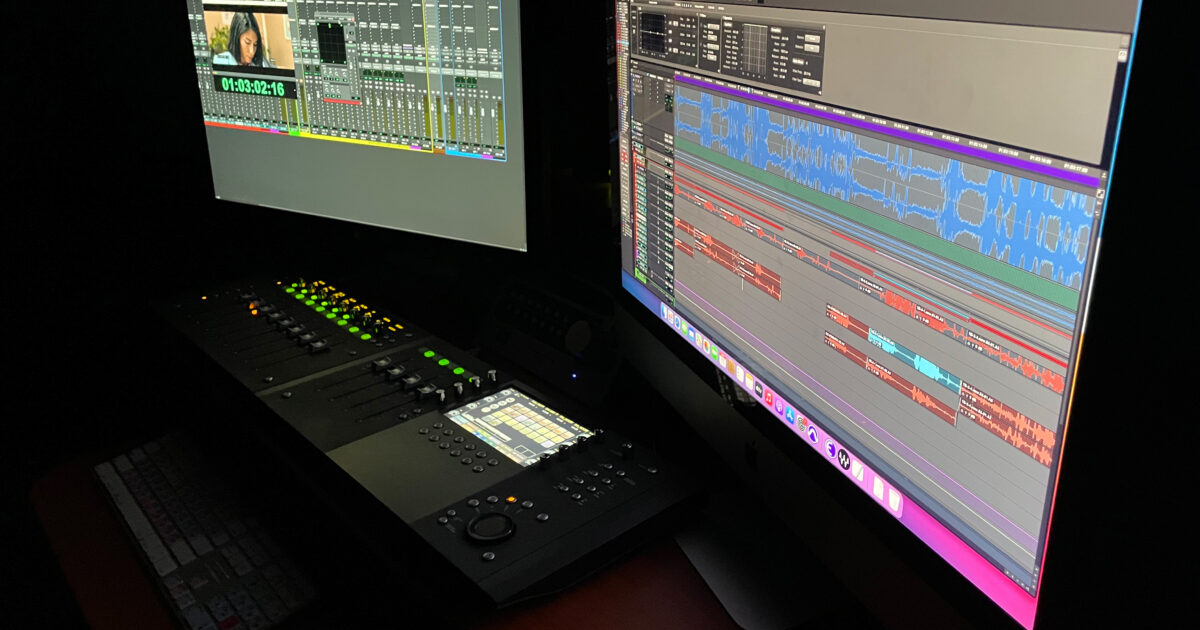
Creating Textures from Scratch
While some sounds are recorded or pulled from libraries, the most memorable soundscapes often involve creating entirely new sounds. This is where sound design truly becomes a creative act, much like sculpture or textile design. For the kind of unique, metaphorical worlds you want to build, this creative process is key.
The sound design for Denis Villeneuve's Dune is a stunning recent example of world-building through sound. Let's explore how the sound team approached this challenge.
Dune Sound Design Explained — The Cinematic Sounds of Villeneuve's Sci-Fi Epic
This video, 'Dune Sound Design Explained,' delves into the creative process behind its award-winning sound. It shows how abstract ideas—like ancient power or the nature of a desert planet—are translated into specific sonic textures.
Please watch the following segments: 'The Voice' (00:32 - 01:25): Notice how they layered multiple voices and deep bass to sonically represent an 'ancestral well of knowledge.' The Ornithopters (02:50 - 04:21): This is a fantastic example of creating texture from unexpected sources. Pay attention to how they blended organic sounds like beetle wings and cat purrs to make the machines feel insect-like and alive. The Sound of Arrakis (04:21 - 06:16): Listen to how they went into the desert to record the 'groan' of real sand dunes, treating the landscape itself as a musical instrument to give it character and make it feel alive.
What this shows is that creating a film's atmosphere is about finding the right texture. The ornithopters don't just sound like helicopters; they sound like giant, flapping, purring bugs. The desert doesn't just have wind; it has a deep, resonant, musical voice. This is how sound moves beyond realism to create mood and meaning.
3. Designing a Film for Sound
The most powerful soundtracks are not added on at the end; they are woven into the film's DNA from the very beginning. The legendary sound designer Randy Thom argues that filmmakers should think about sound from the script stage, making creative choices that "open the door" for sound to become a storyteller.
This approach should resonate with your design background—you wouldn't design a garment without considering the texture and properties of the fabric. Similarly, you shouldn't design a film without considering its sonic potential.
Designing for sound by Randy Thom - FilmSound.org
Randy Thom's essay, 'Designing a Movie For Sound,' is a foundational text that challenges the idea of film as a purely 'visual medium.' He argues for a holistic approach where sound influences the script, cinematography, and editing.
This is a rich article, so let's focus on a few key sections that are most relevant to you: Pre-Production: Start reading from this heading. Focus on how Point of View (POV) is the key to sound's storytelling power. What a character hears tells us about their emotional state. Writing For Sound: Read this section to understand how choosing a location with a rich sonic palette (like the steel mill example) can make the place itself a character with its own moods. Starving The Eye, The Usefulness Of Ambiguity: This is crucial for experimental film. Read about how withholding visual information (using long lenses, darkness, etc.) invites the ear and the imagination to participate more actively. Sounds Talents: Review the bulleted list at the end. It's a fantastic summary of the many jobs sound can perform beyond simple realism.
Thom's idea of "starving the eye to bring the ear into play" is fundamental for creating atmosphere. When you don't show everything, the audience must listen more closely. The sounds of unseen things, of the environment itself, become more potent. Given your interest in telling stories through nature, consider the atmospheric power this suggests.

4. Practical Exercise: Analyzing a Master's Soundscape
Let's apply these concepts by analyzing a scene from one of your cited influences, Ingmar Bergman. He was a master of using sound to create psychological tension and explore his characters' inner worlds.
Your Task:
Watch the opening dream sequence from Ingmar Bergman's Wild Strawberries (1957). The sequence runs for approximately the first 5-6 minutes of the film. You can easily find it on YouTube by searching "Wild Strawberries opening dream sequence."
As you watch, focus specifically on the sound design. Then, reflect on the following questions:
- What sounds do you hear? More importantly, what sounds are absent? How does this combination create a sense of unease and alienation?
- Describe the texture of the soundscape. Is it sharp, soft, empty, oppressive? Think about the quality of the few sounds that are present (e.g., the heartbeat, the footsteps).
- How does the sound design work with the stark, high-contrast visuals to establish the dreamlike, surreal mood?
- How does the sound (or lack thereof) reflect the main character's (Isak Borg's) emotional state of isolation and fear?
Take about 10 minutes to watch the clip and jot down your analytical notes. This exercise will sharpen your ear for how sound choices directly create a scene's emotional atmosphere.
Conclusion
Today we've explored how sound is a powerful and versatile tool for a director. It is not a technical afterthought but a fundamental element of design used to craft a film's deepest emotional currents.
Key Takeaways:
- Sound Shapes Perception: Sound design directs the audience's attention and can fundamentally change how they interpret an image.
- Soundscapes Create Atmosphere: The combination of ambient sound, specific effects, dialogue, and music creates a textured soundscape that establishes a scene's mood.
- Creative Sound is World-Building: Designing unique sounds from organic or unexpected sources gives your world a distinct, memorable character.
- Design Your Film for Sound: By considering sound from the script stage—through POV, location choice, and visual ambiguity—you unlock its full storytelling potential.
What's Next?
In our analysis of both the Munich scene and the Bergman dream sequence, we saw how powerful the absence of sound can be. In our next lesson, we will dive deeper into this concept. You will learn how to use silence as a dramatic, poetic, and rhythmic tool in film, turning nothing into one of your most expressive creative instruments.