Recommended resources
The freely available resources this lesson will direct you to.
- Maximize Productivity, Physical & Mental Health With Daily Tools | Huberman Lab Essentialswww.youtube.com
- My SECRET to never running out of energy (Levels Health CGM)www.youtube.com
- Eating the food on your plate in a certain order is better for ...www.nationalgeographic.com
- Carbohydrates, Protein,, and Performance - NCBIwww.ncbi.nlm.nih.gov
Hello! In our last lesson, we built a protocol for strategic napping, giving you a powerful tool to combat acute daytime sleepiness. You learned that how and when you nap is critical to boosting alertness without compromising your nighttime sleep.
Today, we address another major variable in your daily energy equation: food. You've likely experienced the "post-lunch dip" or "food coma"—that period of fatigue and low motivation that often hits in the early afternoon. This isn't inevitable. It's a direct result of what and how you eat.
The learning outcome for this lesson is to structure meal timing and composition to minimize post-lunch dips in energy. By the end of this lesson, you will have a set of clear, research-backed protocols to build your meals for sustained afternoon performance.
The Mechanism: Why the Post-Lunch Dip Happens
To defeat the enemy, you must first understand it. The post-lunch energy crash is primarily driven by two physiological processes.
1. The Blood Sugar Rollercoaster
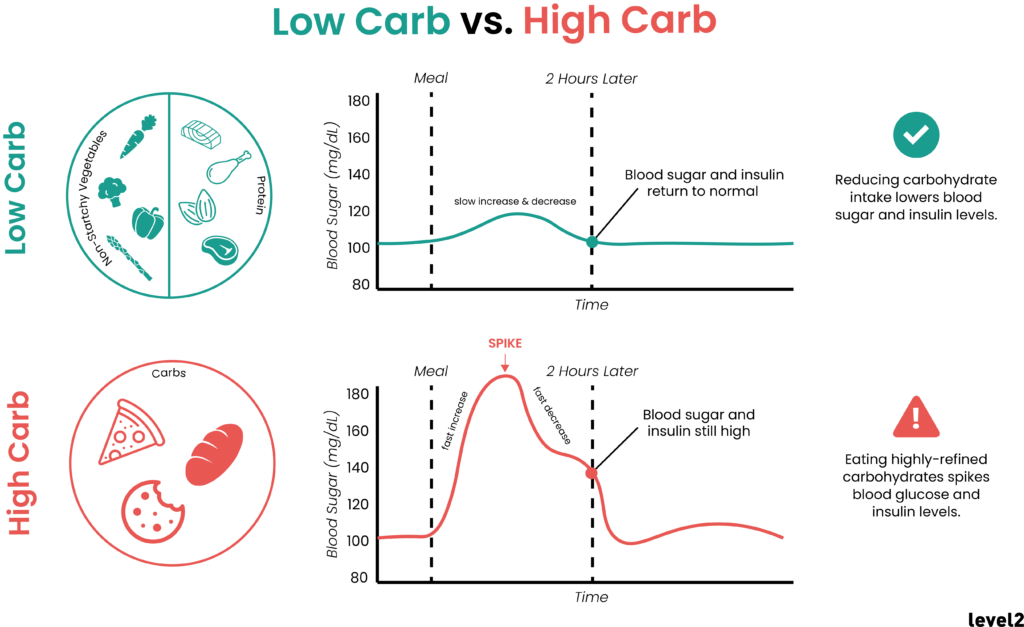
When you eat a meal high in refined carbohydrates and sugar (like pasta, white bread, or sugary drinks), your body quickly converts it into glucose, causing a rapid spike in your blood sugar. Your body responds by releasing a large amount of insulin to move that glucose out of your blood and into your cells. Often, this response is too strong, causing your blood sugar to crash below its baseline level. This crash is what you feel as fatigue, brain fog, and a craving for more sugar.
My SECRET to never running out of energy (Levels Health CGM)
This clip from the channel 'Koi' provides a clear, data-driven explanation of this blood sugar spike and crash, also known as reactive hypoglycemia.
Watch from 04:08 to 05:08. The presenter uses a continuous glucose monitor (CGM) to visually demonstrate exactly what happens to your blood sugar after a high-carb meal.
This process can be visualized clearly:
2. The Serotonin Effect
There's a second, more subtle mechanism at play. It involves the neurotransmitter serotonin. While serotonin is known for its role in mood, it also promotes sleepiness.
Research shows that eating a meal high in carbohydrates but very low in protein changes the chemistry of your blood. This change makes it easier for the amino acid tryptophan—a precursor to serotonin—to enter your brain. More tryptophan in the brain leads to more serotonin production, which contributes to feelings of drowsiness.
Crucially, studies published in resources like the NCBI bookshelf publication Carbohydrates, Protein, and Performance show that including even a small amount of protein in your meal (as little as 8% of the total content) is enough to prevent this chain reaction and the subsequent fatigue.
Now, let's turn these mechanisms into actionable protocols.
The Protocols for Sustained Afternoon Energy
Based on the science, we can create a multi-layered protocol for constructing your midday meal.
Protocol #1: Re-engineer Your Plate Composition
The single most effective change you can make is to shift the macronutrient composition of your lunch.
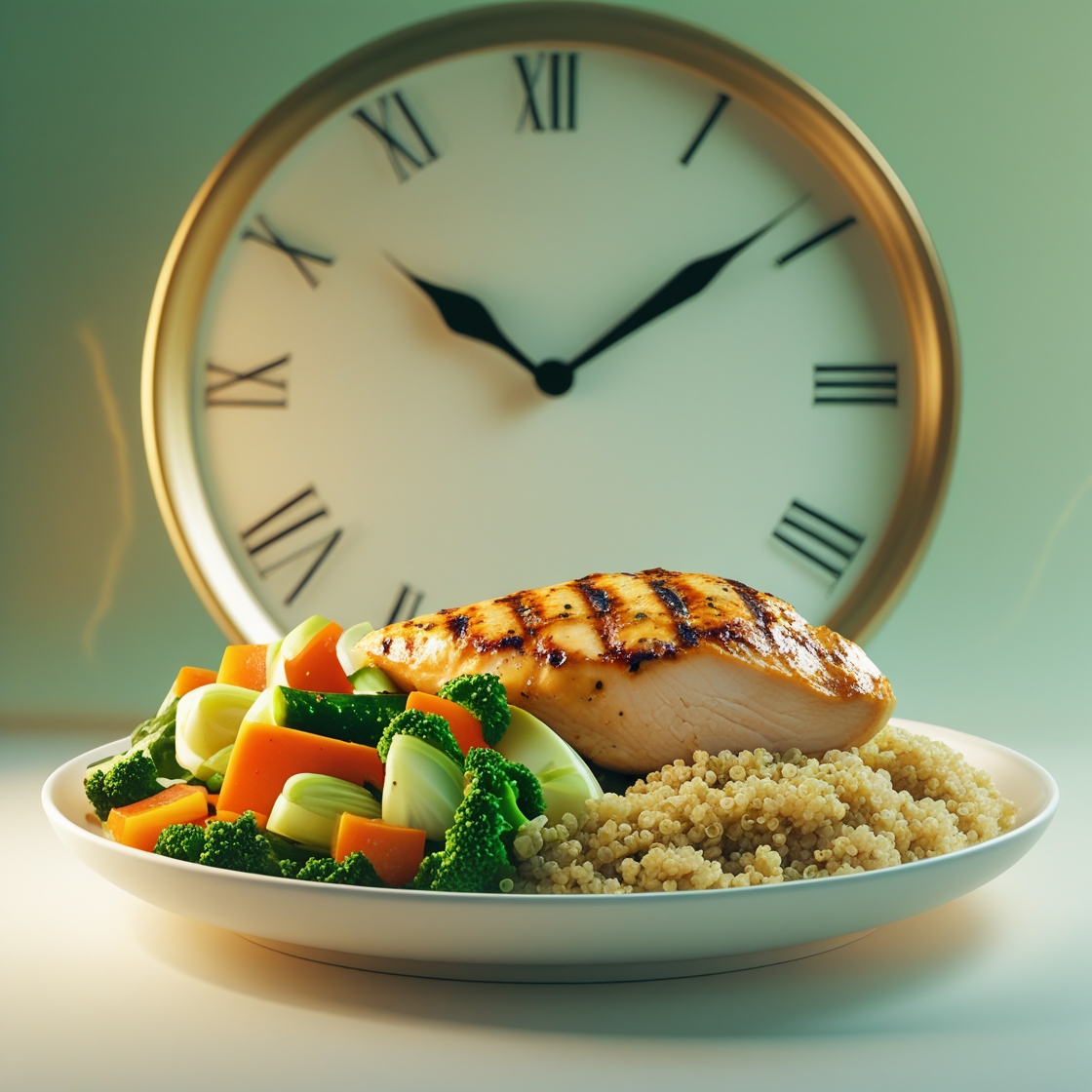
- The Rule: Your lunch plate should be built primarily around protein and fiber (from vegetables). Refined carbohydrates (bread, pasta, rice, potatoes) should be a small, optional side, not the main event.
- The Mechanism: Protein and fiber slow down the digestion and absorption of any carbohydrates you do eat, preventing the blood sugar spike. Protein also directly counteracts the serotonin-fatigue pathway.
Maximize Productivity, Physical & Mental Health With Daily Tools | Huberman Lab Essentials
Dr. Andrew Huberman explains his personal protocol for lunch composition to maintain alertness for afternoon work.
Watch from 17:22 to 18:47. Pay attention to his emphasis on protein and vegetables, and his logic for limiting starches, especially if he hasn't exercised.
Practical Application:
- Instead of: A sandwich on white bread, a bowl of pasta, or a large serving of rice with a little bit of meat.
- Opt for: A large salad with grilled chicken or fish, a steak with a side of broccoli, or a lentil soup. If you include a starch, keep the portion size small (e.g., a few spoonfuls of quinoa).
Protocol #2: Sequence Your Nutrients
This is a simple but remarkably effective technique. It's not about changing what you eat, but the order in which you eat it.
- The Rule: During any meal, eat your food in this order:
- Fiber First: Start with vegetables (e.g., a side salad, steamed broccoli).
- Protein & Fats Second: Move on to your main protein source (e.g., chicken, fish, beans).
- Starches & Sugars Last: Finish with any carbohydrates or dessert.
- The Mechanism: The fiber and protein you eat first form a temporary "mesh" in your stomach. This slows down the absorption of the carbohydrates that follow, blunting the glucose spike.
Eating the food on your plate in a certain order is better for your health—here's why
This National Geographic article, 'Eating the food on your plate in a certain order is better for your health', breaks down the science and practical application of nutrient sequencing.
First, read the introduction to understand the concept (the first five paragraphs). Then, jump to the section 'Putting nutrient sequencing into practice' for clear, meal-by-meal examples.
Protocol #3: Optimize Meal Volume and Timing
- Manage Volume: Keep your lunch portion size moderate. Eating a very large meal of any type diverts a significant amount of blood flow to your digestive system and away from your brain, which is a direct cause of lethargy.
- Consider Timing: As an optional protocol for maximizing morning focus, you can experiment with delaying your first meal until 11 AM or 12 PM, as Dr. Huberman mentions. This keeps adrenaline slightly elevated, which can aid concentration. This is not about calorie restriction but about timing your food intake for cognitive benefit.
- Post-Meal Walk: A brief 5-15 minute walk after lunch can help stabilize blood sugar levels, improve nutrient utilization, and provide a midday dose of light to reinforce your circadian rhythm.
Test your understanding!
It's 12:30 PM and you're about to have lunch before an important 2:00 PM client call where you need to be sharp. You have three options:
- A large bowl of spaghetti bolognese with garlic bread.
- A poke bowl with rice, salmon, edamame, and seaweed salad.
- A large smoothie made with bananas, mangos, and a scoop of protein powder.
Based on the protocols, which is the best choice and how would you eat it for maximum performance?
Show answer
The best choice is #2, the poke bowl, but the way you eat it is critical.
- Why it's the best option: It contains a good balance of protein (salmon), fiber (edamame, seaweed salad), and carbohydrates (rice). Option 1 is too high in refined carbs. Option 3, while it has protein, is very high in sugar from the fruit, which will likely cause a significant glucose spike.
- How to eat it using the sequencing protocol: You would first eat the edamame and seaweed salad (fiber), then the salmon (protein and fat), and finish with the rice (carbohydrate). This sequence will ensure the most stable blood sugar and sustained energy for your call.
Conclusion
You now have a complete set of protocols to prevent the post-lunch energy dip and maintain high levels of cognitive performance throughout the afternoon. This isn't a complex diet; it's a structured, repeatable system for eating that supports your energy goals.
Key Takeaways:
- The "post-lunch dip" is caused by blood sugar crashes (from high-carb meals) and the sleep-promoting effects of serotonin (from high-carb, low-protein meals).
- The Meal Structure Protocol:
- Composition: Build your lunch around protein and fiber. Make refined carbohydrates small and optional.
- Sequence: Eat vegetables first, then protein/fats, and finish with any starches or sugars.
- Volume & Timing: Keep lunch portions moderate and consider a short walk afterward.
In our next lesson, we will shift our focus from daytime energy to evening preparation. You will learn the science of the "wind-down" and discover why reducing mental and physical stimulation in the hours before bed is a critical step for falling asleep quickly and achieving deep, restorative sleep.