Hello! Welcome to the first lesson in our new module, "Opportunities for System Improvement."
In our last lesson, we concluded our exploration of the challenges facing the UK grid by looking at the deep-seated conflicts between the stable, risk-averse nature of regulated monopolies and the urgent need for innovation. We saw how this can hinder investment and slow down the energy transition.
Today, we shift our focus from problems to solutions. We will begin exploring the technologies and strategies that can help create a more efficient, flexible, and cost-effective grid. Specifically, this lesson will explain how smart metering infrastructure and demand-side response platforms can reduce peak load and system costs. We'll investigate what "peak load" is, why it's a problem, and how smart technology is empowering everyone—from grid operators to individual households—to become part of the solution.
The Problem of "Peak Demand"
Imagine the electricity grid is like a motorway. For most of the day, traffic flows smoothly. But during the morning and evening rush hours, the roads become congested, and everything slows down. The electricity grid experiences a similar "rush hour" every day.
Electricity demand isn't constant; it fluctuates throughout the day. In the UK, demand is typically lowest in the early hours of the morning and reaches its highest point, or peak, in the late afternoon and early evening (usually between 4pm and 7pm) when industrial activity, home life (cooking, lighting), and commuting overlap.
Meeting this peak demand is a major challenge for the grid operator. To understand why, let's look at how different types of power stations are used to meet demand.
Demand Flexibility Schemes Explained
This video from the 'Gary Does Solar' channel provides an excellent, easy-to-understand explanation of the daily demand curve and how different energy sources are stacked up to meet it.
Please watch from 01:01 to 04:14. As you watch, focus on: The concept of the daily demand curve and when the 'peak' occurs. The different types of generation used (nuclear, renewables, gas, coal). Why gas and coal power stations are used to meet peak demand, and why this is both expensive and polluting.
As the video explained, the grid relies on a "generation stack":
- Baseload: Power sources like nuclear that run constantly and provide a steady foundation of electricity.
- Intermittent Renewables: Wind and solar, which provide cheap, clean energy when they are available.
- Peaking Plants: These are typically gas-fired power stations (and in extreme cases, coal) that can be turned on and off quickly to fill the gaps and, crucially, to meet the high demand during peak hours.
This creates two significant problems:
- Cost: Peaking plants are very expensive to run. The wholesale price of electricity is largely set by the most expensive generator needed to meet demand at any given moment. This means that during peak hours, the price of electricity for the entire system skyrockets.
- Carbon Emissions: These peaking plants are fossil-fuel-based, so using them increases carbon emissions, working against our decarbonisation goals.
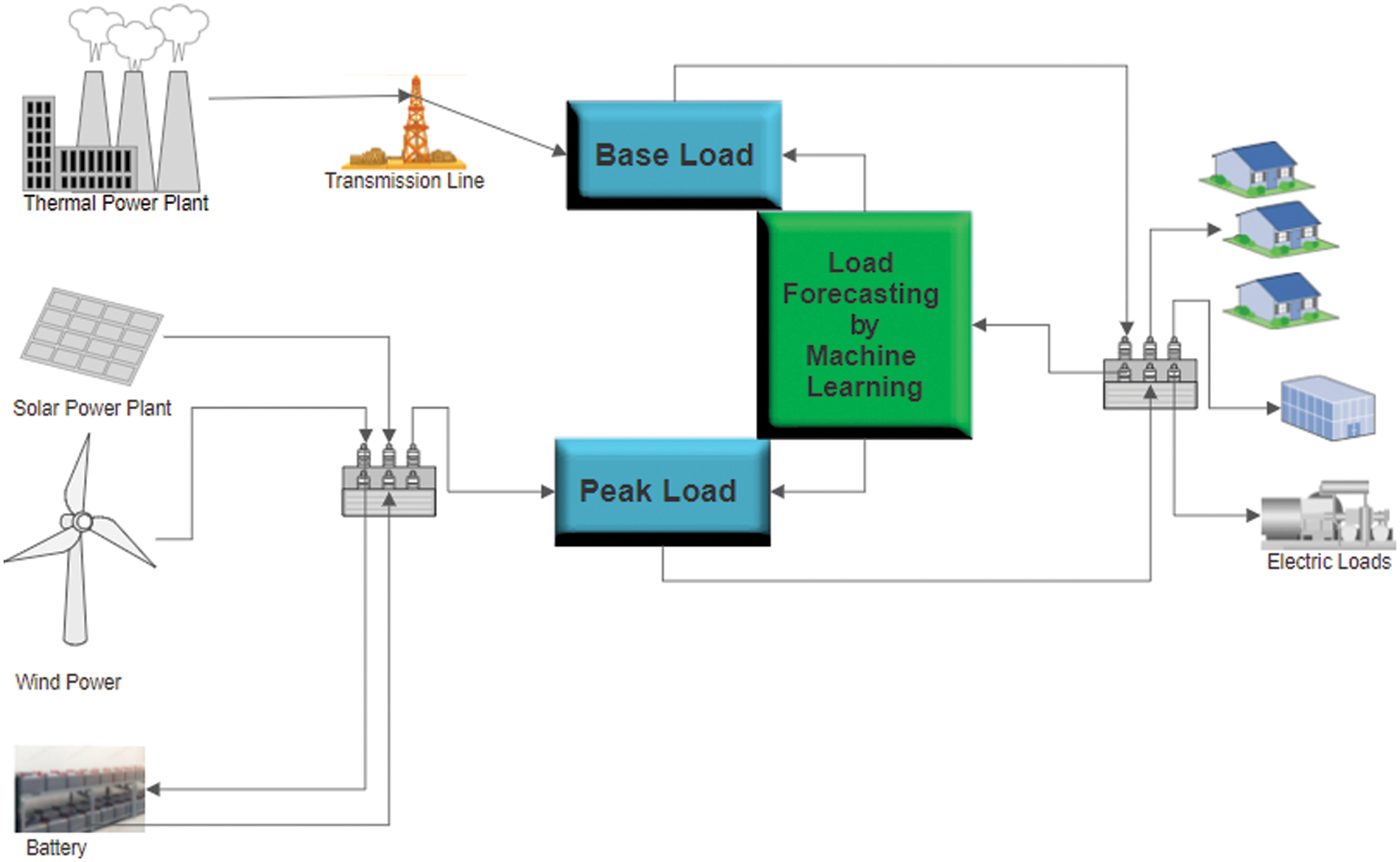
So, what if, instead of always building more power stations to meet the peak, we could simply reduce the peak itself? This is the core idea behind Demand-Side Response.
The Solution: Demand-Side Response (DSR)
Demand-Side Response (DSR), also known as demand flexibility, refers to actions taken to change the amount or timing of electricity consumption to help balance the grid.
Instead of only managing the supply of electricity, DSR helps manage the demand. There are two main ways it does this:
- Load Shifting: Consumers are incentivised to move their electricity use from peak hours to off-peak hours when demand is lower and electricity is cheaper and cleaner (e.g., charging an electric vehicle overnight instead of at 6pm).
- Load Reduction: Consumers are paid to temporarily reduce their electricity consumption during specific high-stress periods on the grid (e.g., not running the dishwasher during a notified "savings event").
This might sound abstract, but in the UK, it's already happening through National Grid ESO's Demand Flexibility Service.
Demand side response: A tool for lowering household energy ...
Let's read a concise, official definition of DSR from a briefing prepared for the UK Parliament.
Please read the 'Key points' section. It provides a clear summary of what DSR is, why it's used, and its potential benefits.
This service allows energy suppliers to pay their customers for turning down their power usage during specific events. The video we watched earlier gives a great practical overview of how this works for a household.
The Enabler: Smart Metering Infrastructure
For decades, this kind of precise demand management was impossible for households. Why? Because traditional electricity meters are "dumb." They only record a cumulative total of energy used, which is then read manually every few months. A utility would have no idea if you used your electricity at 3 am or 6 pm.
This is where smart metering infrastructure changes the game. A smart meter automatically records your electricity usage in half-hourly intervals and sends this data back to your energy supplier.
This enables two key things:
- Measurement: The supplier can see exactly when you use energy, so they can measure if you successfully reduced your demand during a specific peak-time "event."
- Reward: Because the reduction can be measured, the supplier can reward you for it, either with direct payments or through special tariffs with cheap off-peak electricity.

The central role of smart meters is non-negotiable for enabling widespread household flexibility.
The power of flex: Rewarding smarter energy usage
This report from Cornwall Insight, commissioned by Smart Energy GB, explicitly details the critical role of smart meters.
Please read the section titled 'What is household flexibility?', starting on page 11, paying close attention to the paragraph beginning 'Smart meters are a key enabling tool...'. Then, jump to the section 'Role of smart meters' on page 18. This reinforces why traditional meters cannot support these services.
Test your understanding!
A friend tells you they want to sign up for the Demand Flexibility Service to earn money but don't have a smart meter. Based on what you've just learned, why would this not be possible?
Show answer
It wouldn't be possible because the energy supplier needs to verify that your friend actually reduced their electricity consumption during the specific one- or two-hour "savings event." A traditional meter only shows a total usage figure over a long period. It can't provide the half-hourly data needed to prove that demand was lowered at the exact time required by the grid. Without a smart meter, there is no way to measure the change and therefore no way to provide the reward.
The Impact: Reducing Peak Load and System Costs
Now we can connect all the pieces. By using smart meters to enable DSR, we can reduce peak demand. This has a massive positive impact on the overall cost of running the electricity system.
The Cornwall Insight report you just looked at quantifies these benefits for Great Britain. The savings come from two main areas:
1. Lower Wholesale Electricity Costs
By shifting demand away from peak times, we reduce the need to fire up the most expensive gas and coal peaking plants. This lowers the overall wholesale market price of electricity for everyone, even those who don't actively participate in DSR.
2. Avoided Infrastructure Investment
A lower, flatter demand profile means we don't have to spend as much money on building and maintaining the grid. This includes:
- Avoiding new power stations: If we can shave the top off the peak demand, we may not need to build as many expensive peaking plants just to run for a few hours a day.
- Avoiding network upgrades: Peak demand puts the most strain on the physical network of wires, cables, and transformers. Reducing this strain means we can defer or avoid costly upgrades to network capacity.
Let's look at the staggering figures from the report.
The power of flex: Rewarding smarter energy usage
Let's return to 'The power of flex' report to see the quantified impact of reducing peak load.
Please read section 6.1 'Household flexibility could deliver an annual saving...' and section 6.3 'Peak consumption cut...'. Note the headline saving figures and, specifically, the powerful example of avoiding the need to build 'four new gas-fired power stations'.
As the report highlights, embracing flexibility could save the UK system over £4.6 billion in 2030 and £14.1 billion in 2040. Reducing peak demand by just 3GW in 2030 would avoid nearly £1 billion in network spending and the £2.5 billion cost of building four new gas power stations. These are not trivial numbers; they represent a fundamental improvement in system efficiency.
Conclusion
In this lesson, we have seen how a combination of smart technology and clever incentives can tackle the long-standing problem of peak demand.
Key Takeaways:
- Peak demand is the daily "rush hour" on the grid, which is expensive and carbon-intensive to meet because it requires firing up fossil-fuel "peaking plants."
- Demand-Side Response (DSR) is the strategy of incentivising consumers to either shift their energy use to off-peak times or reduce it during peak events.
- Smart metering infrastructure is the critical enabler for DSR, as it provides the half-hourly data needed to measure and reward changes in electricity consumption.
- By reducing peak load, DSR leads to massive system cost savings by lowering wholesale electricity prices and avoiding the need to build expensive new power stations and network infrastructure.
Preview of the next lesson:
Smart meters and DSR are just one part of the new toolkit for managing the grid. In our next lesson, we will continue exploring this theme by looking at how advanced grid monitoring and control systems are giving operators unprecedented real-time visibility and control, further improving the management of congestion and stability.