Welcome to your fifth lesson. In our last session, we explored the foundational civil and political rights that guarantee individual liberty and procedural justice. We learned how the Constitution protects you from arbitrary state action. Today, we shift our focus to rights that require the state to act on your behalf, ensuring not just freedom, but a life of dignity and opportunity.
This lesson addresses a crucial aspect of the Loksewa syllabus: fundamental rights related to social, economic, and developmental justice. These rights are the tools the Constitution provides to build a more equitable and prosperous society. By the end of this lesson, you will be able to explain the specific rights granted to women, Dalits, and children, as well as the universal rights to health and education, which are frequent topics in both objective and subjective exam questions.
From Protection to Provision: The Role of Socio-Economic Rights
While the rights to freedom and equality we discussed previously are essential, they are incomplete without ensuring the basic conditions for a dignified life. This is where social and economic rights come in. They aim to correct historical injustices and distribute resources and opportunities more fairly.

These rights can be broadly divided into two categories:
- Corrective Rights: Those aimed at specific, historically marginalized groups.
- Distributive Rights: Those ensuring essential services for all citizens.
Let's explore each in turn.
1. Corrective Justice: Rights for Specific Groups
In the previous lesson, you read about "positive discrimination" under the Right to Equality (Article 18). The Constitution goes further by dedicating specific articles to ensure the empowerment and protection of women, children, and Dalits.
Rights of Women (Article 38)
Article 38 is a powerful tool for dismantling patriarchal structures and ensuring gender equality. It moves beyond general non-discrimination to provide specific, enforceable entitlements for women.
Health Contents - Constitution of Nepal Health Contents
This article from Public Health Update helpfully excerpts several key fundamental rights directly from the Constitution.
Please read the six clauses under the heading Article 38, Rights of women. Pay close attention to the mix of rights against violence and rights for empowerment.
As you've just read, the Rights of Women cover several critical areas:
- Equal Lineage Right: Tackles discrimination in ancestry and inheritance.
- Safe Motherhood and Reproductive Health: Guarantees autonomy over one's body and access to essential health services.
- Protection Against Violence: Makes all forms of violence against women punishable by law and provides for compensation.
- Proportional Inclusion: Ensures women's participation in all state bodies, a key principle of Nepal's governance structure.
- Special Opportunity: Reaffirms the principle of positive discrimination in education, health, employment, and social security.
- Equal Right in Family and Property: Aims to ensure economic equality within the family unit.
Rights of the Child (Article 39)
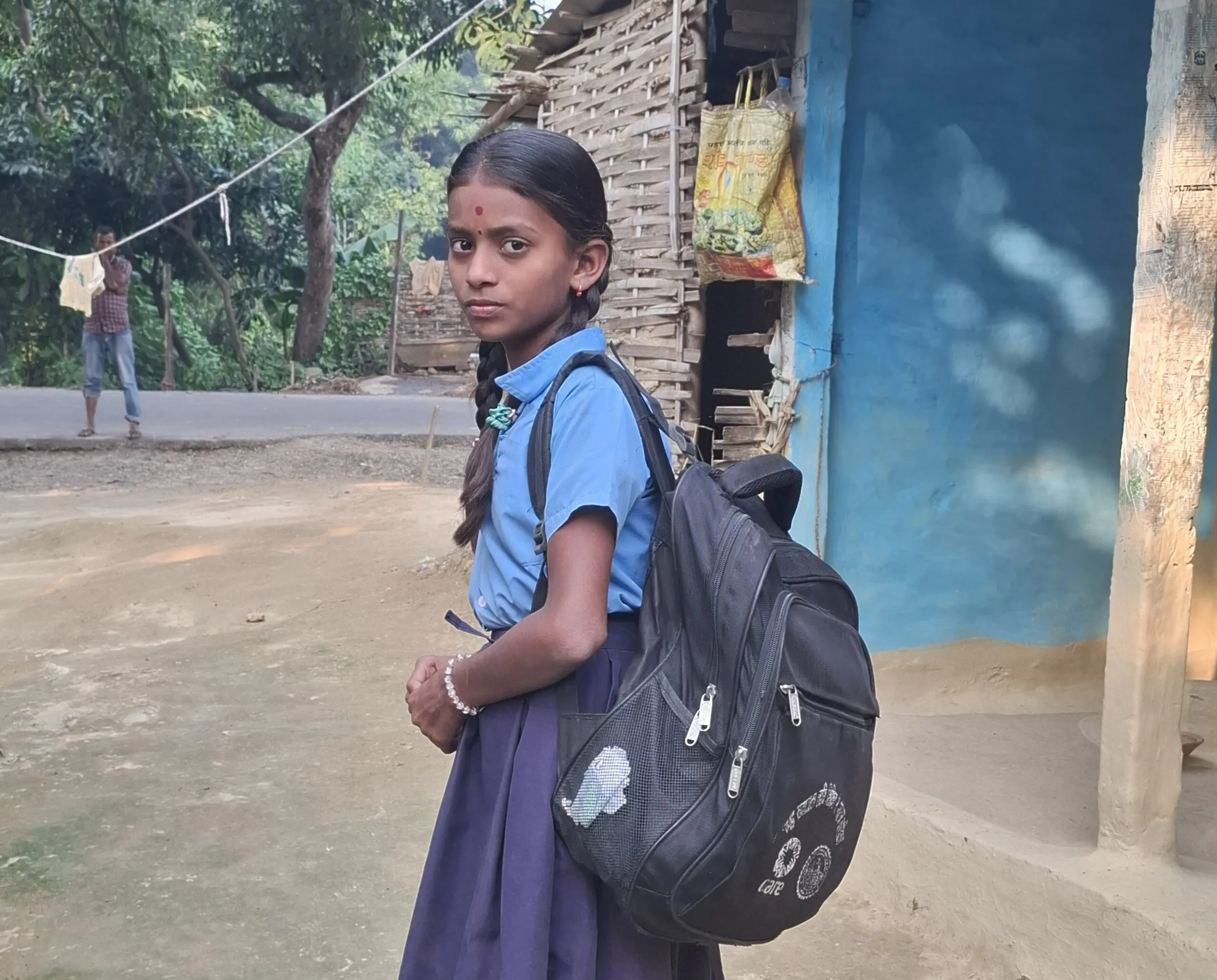
The Constitution recognizes the unique vulnerability and needs of children, mandating both families and the state to ensure their proper development.
Health Contents - Constitution of Nepal Health Contents
Continuing with the same resource, let's look at the protections for children.
Now, read the provisions under Article 39, Rights of child. Focus on the comprehensive nature of these rights, which cover identity, development, and protection. (Note: The resource only excerpts clauses 1, 2, 7, and 9, which are the most essential for our purpose).
Key takeaways from Article 39 include:
- Right to Identity: Every child has a right to a name and birth registration.
- Right to Development: This is a broad right covering education, health, care, and overall personality development.
- Protection from Torture: Explicitly prohibits physical or mental torture at home, school, or anywhere else.
- Special Protection for Vulnerable Children: The state has a heightened duty to care for children who are orphans, have disabilities, are conflict victims, or are otherwise vulnerable.
Rights of Dalit (Article 40)
Recognizing the deep-rooted historical injustice of the caste system, the Constitution includes specific rights to empower the Dalit community and ensure their dignified participation in society. This article builds upon the Right Against Untouchability (Article 24).
Health Contents - Constitution of Nepal Health Contents
The same document also highlights a key provision for the Dalit community.
Read the short but significant clause under Article 40, Rights of Dalit.
While this excerpt only shows one clause, Article 40 is more comprehensive. It guarantees Dalits the right to participate in state bodies based on proportional inclusion, special provisions for education and employment, and the right to own land and housing. The clause you just read, which ensures special provisions for health and social security, is a critical component of the state's commitment to uplifting the Dalit community.
2. Distributive Justice: Universal Socio-Economic Rights
Beyond targeting specific groups, the Constitution also guarantees all citizens access to services that are fundamental for human development.
Right to Education (Article 31)
This right is a cornerstone of national development. The Constitution makes the state responsible for providing education at the basic and secondary levels. While the provided resources don't detail this article, its provisions are essential knowledge for the Loksewa exams.
Article 31 establishes the following:
- Compulsory and Free Basic Education: Every citizen has the right to compulsory and free education up to the basic level (typically Grade 8).
- Free Secondary Education: Every citizen has the right to receive free education from the state up to the secondary level (typically Grade 12).
- Access for the Disabled and Disadvantaged: Citizens with disabilities and those who are economically disadvantaged have the right to receive higher education free of charge, as provided by law.
- Education in Mother Tongue: Every Nepali community has the right to receive education in its mother tongue.
Right relating to Health (Article 35)
A healthy population is the foundation of a productive nation. This article establishes health not as a privilege, but as a right.
Health Contents - Constitution of Nepal Health Contents
Let's return to the Public Health Update resource to examine this critical right.
Read the four clauses under Article 35, Right relating to health.
This article guarantees four key aspects of health justice:
- Free Basic and Emergency Services: The state must provide basic health services for free, and no one can be denied emergency care.
- Right to Information: Every person has the right to be informed about their medical treatment.
- Equal Access: Health services must be accessible to all citizens equally.
- Clean Water and Sanitation: This right is explicitly linked to health, recognizing that public health depends on a clean environment.
Right relating to Food (Article 36)
To secure the most basic human need, the Constitution guarantees the right to food.
Health Contents - Constitution of Nepal Health Contents
Finally, let's examine the right related to food security.
Read the three clauses under Article 36, Right relating to food.
This right includes protection from starvation and establishes the principle of food sovereignty, which implies the right of the people to have healthy and culturally appropriate food produced through sustainable methods, and their right to define their own food and agriculture systems.
The Umbrella of Social Justice and Social Security
Finally, the Constitution includes two important articles that act as a safety net, reinforcing the state's welfare responsibilities.
- Right to Social Justice (Article 42): This article gives socially backward women, Dalits, indigenous nationalities, Madhesi, Tharu, minorities, persons with disabilities, marginalized communities, Muslims, backward classes, gender and sexual minorities, youths, peasants, labourers, oppressed or citizens of backward regions, and indigent Khas Arya the right to participate in State bodies on the basis of inclusive principle. It also grants special opportunities to indigent citizens and communities on the verge of extinction.
- Right to Social Security (Article 43): This grants indigent, incapacitated, and helpless citizens, helpless single women, citizens with disabilities, children, and others who cannot care for themselves the right to social security. This is the constitutional basis for programs like old-age allowances and disability benefits.
Conclusion
In this lesson, we have moved from the civil and political rights that protect individual freedom to the social, economic, and developmental rights that aim to create a just and equitable society. These are not just aspirations; they are fundamental, enforceable entitlements.
Here are the main takeaways:
- Corrective Justice: The Constitution provides specific rights for women (equality, protection, inclusion), children (identity, development, protection), and Dalits (inclusion, empowerment) to remedy historical disadvantages.
- Distributive Justice: All citizens are guaranteed universal rights to essential services, including free education up to the secondary level, free basic health services, and the right to food.
- State's Positive Obligation: Unlike rights that simply restrain the state, these rights impose a positive duty on the state to provide services, create opportunities, and ensure a life of dignity for all.
Understanding these rights is fundamental to understanding the modern Nepali state and its objectives. In our next lesson, we will explore the other side of this coin: the fundamental duties that citizens owe to the state, and the crucial mechanism of constitutional remedies that allows you to enforce the very rights we have been discussing.