Hello! Welcome to the next lesson in our module on Sensory Marketing.
In our last session, we delved into the world of scent, exploring how brands strategically use smell to influence mood, increase how long we stay in a store, and build lasting brand memories. We saw how a scent's congruence and simplicity are key to its success.
Today, we shift our focus from the nose to the ears. Just like scent, the sounds in a commercial environment are rarely accidental. This lesson directly addresses the learning outcome: Describe how auditory characteristics (e.g., tempo, pitch, volume) of music influence consumer arousal and shopping pace. We'll uncover the science that explains why the background music in a supermarket is so different from the music in a trendy clothing store, and how these choices subtly guide your behavior.
1. Music and the Brain: The Arousal Effect
Before we talk about shopping pace, we need to understand a core psychological concept: arousal. In psychology, arousal doesn't just mean excitement; it refers to a state of physiological and psychological activation. Think of it as a spectrum:
- Low Arousal: Feeling relaxed, calm, even sleepy.
- High Arousal: Feeling energized, alert, and stimulated.
Music is a powerful tool for modulating our level of arousal. To understand this better, let's explore a foundational model in environmental psychology.
The soundtrack to sales: How to select in-store music ...
The article 'The soundtrack to sales' introduces the Pleasure-Arousal-Dominance (PAD) model, which is a great framework for understanding how we react to our environment. It specifically highlights why arousal is so important in a retail context.
Please read the section titled 'The science behind music and shopping' and the first paragraph under 'Navigating context and emotion.' Focus on how arousal is defined and how musical elements like tempo can directly influence it.
As the reading explained, our emotional response to an environment can be broken down into dimensions, with arousal being a key driver of behavior. When music changes our arousal level, it can lead to tangible actions like impulse buys or quicker decisions.
The main auditory characteristics that marketers use to manipulate arousal are tempo, volume, and pitch.
- Tempo (Speed): This is the most influential factor. As you read, fast-tempo music increases our heart rate and breathing, pushing us toward a state of higher arousal. Slow-tempo music has the opposite effect, promoting relaxation and lower arousal.
- Volume (Loudness): High-volume music can also increase arousal, sometimes to the point of inducing a stress response. Softer music is generally calming and leads to lower arousal.
- Pitch (Frequency): While studied less in marketing, higher-pitched sounds tend to be more alerting (higher arousal), whereas lower-pitched sounds can be more soothing.
2. From Arousal to Action: Pacing and Spending
Now that we understand how music affects our internal state of arousal, let's see how that translates into real-world shopping behavior. This is where the science becomes a powerful marketing tool.
A landmark study in this area completely changed how retailers think about background music. Let's watch a short video that explains this foundational experiment.
What You Need To Know About Manipulative Background Music (Science Explained)
The video 'What You Need To Know About Manipulative Background Music' clearly explains the classic 1982 study by Ronald Milliman that first demonstrated the powerful effect of music tempo on sales.
Please watch from 01:01 to 02:12. Pay close attention to the specific differences in shopper behavior and store revenue between the slow-tempo and fast-tempo music conditions.
The findings from that study are a perfect illustration of our topic:
- Slow-Tempo Music (Low Arousal): Led to a slower shopping pace. People walked more slowly, spent more time in the store, and ultimately, sales increased by a staggering 38%. The slow music altered their perception of time, making them feel less rushed.
- Fast-Tempo Music (High Arousal): Sped up the shopping pace. People moved through the store more quickly and, as a result, bought less.
This isn't just about pace; higher arousal from faster music can also influence the types of choices we make.
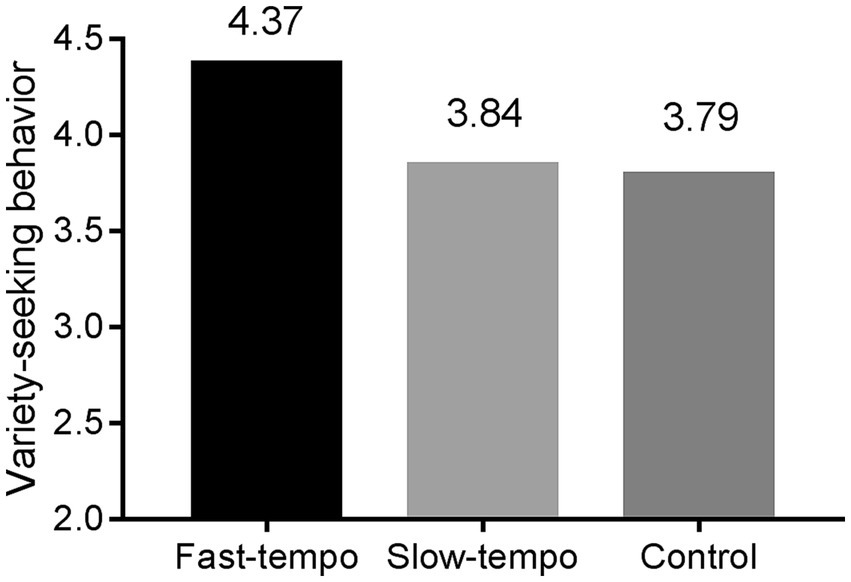
Volume also plays a critical role in managing how long customers stay in a space.
The Marketer's Guide to Music and Consumer Behavior
To get a more detailed look at how both tempo and volume are used strategically, let's turn to 'The Marketer's Guide to Music and Consumer Behavior.' This article provides excellent examples and nuances.
Please read the following sections: 'Tempo and Genre': Focus on the discussion about how tempo affects shopping pace. 'Volume & the Value of Time': Note how volume can be a 'turnoff' but can also make waiting feel more positive. 'Music in Restaurants': This section is a great case study of how tempo is used to manage customer flow and turnover. As you read, think about how you would explain these concepts to a restaurant owner.
3. Strategic Applications: A Tale of Two Goals
As you've seen, there's no single "best" type of music. The right choice depends entirely on the business's goal. We can simplify this into two primary strategic objectives:
Goal 1: Maximize Spending and Engagement (The "Linger and Browse" Strategy)
If the goal is to get customers to stay longer, explore more products, and potentially increase their total purchase amount, the strategy is to lower their arousal.
- Who uses it? Supermarkets, department stores, traditional retailers, sit-down restaurants during slow periods.
- What they do: Play slow-tempo, low-to-moderate volume music.
- The Psychological Effect: This creates a relaxed, unhurried atmosphere. Customers' internal "clocks" slow down, they feel no pressure to leave, and they are more likely to browse aisles, consider additional purchases (like dessert or an extra item), and report higher satisfaction with their experience.
Goal 2: Maximize Customer Flow and Turnover (The "Quick and Efficient" Strategy)
If the goal is to serve as many customers as possible in a short amount of time, especially during peak hours, the strategy is to increase their arousal.
- Who uses it? Fast-food restaurants, coffee shops during the morning rush, retailers during a flash sale.
- What they do: Play fast-tempo, moderate-to-high volume music.
- The Psychological Effect: This creates a high-energy, stimulating environment. Customers' internal clocks speed up. They tend to eat faster, make quicker decisions, and move through the space more efficiently, which frees up tables and reduces lines for the next wave of customers. Interestingly, as the reading noted, they don't necessarily feel rushed; the music alters their perception of how much time has passed.
Test your understanding!
You are advising a new, upscale wine bar. The owner wants to create a sophisticated atmosphere where patrons feel comfortable spending time and money, perhaps ordering a second or third glass of wine and some expensive cheese platters.
Based on what you've learned, what auditory strategy would you recommend for the tempo and volume of the background music? Explain your reasoning.
Show answer
Recommendation: I would recommend playing music with a slow tempo at a low to moderate volume.
Reasoning:
- Tempo: The goal is to encourage patrons to "linger and browse" the menu, not to turn tables quickly. Slow-tempo music (like classical, jazz, or downtempo electronic music) will lower their arousal, making them feel more relaxed and less rushed. This encourages them to stay longer, which directly increases the opportunity for them to order more drinks and food.
- Volume: The volume should be low enough to act as pleasant background ambiance but not so loud that it intrudes on conversation. A key part of a sophisticated bar experience is social interaction. Loud music would increase arousal and stress, making conversation difficult and potentially encouraging people to drink faster and leave—the opposite of the owner's goal.
Conclusion
Today, we've pulled back the curtain on the soundtrack to our consumer lives. We've seen that the music playing in a store is a calculated choice designed to manipulate our internal state of arousal and, in turn, our physical behavior.
Key Takeaways:
- Music's auditory characteristics, primarily tempo and volume, have a direct impact on our psychological and physiological arousal.
- Slow, quiet music lowers arousal, causing us to move more slowly, perceive time as passing more slowly, and linger longer in a space. This is a strategy to increase browsing and total spending.
- Fast, loud music increases arousal, causing us to move and make decisions more quickly. This is a strategy to increase customer turnover and manage flow during busy periods.
- The optimal music strategy is always aligned with the specific business goal, whether it's encouraging customers to stay or helping them move through quickly.
Preview of the Next Lesson:
So far, we've focused on the structural characteristics of music (its tempo and volume). In our next lesson, we will explore the content of the music itself. We will address the learning outcome: Explain the principles of sonic branding and the function of an effective audio logo (jingle). We'll discover how brands create unique sounds that, like a visual logo, become instantly recognizable and trigger a host of brand associations.