Welcome back. In our last lesson, we designed a complete 7-day follow-up cadence in Notion to re-engage non-responsive warm leads. Within that sequence, we scheduled phone calls on Day 3 and Day 6, noting that if the prospect doesn't answer, we should leave a voicemail. This raises a crucial question: what exactly should you say in that message to be effective?
A poorly delivered voicemail can be worse than no voicemail at all. It can make you sound desperate, salesy, or forgettable. A great voicemail, however, can be a powerful tool. It builds your personal brand, creates professional persistence, and, most importantly, piques the prospect's curiosity enough to earn a callback.
Today's lesson is dedicated to mastering this skill. Our goal is to formulate curiosity-inducing voicemails designed to increase callback rates. We will move beyond generic messages and equip you with specific, psychology-backed frameworks that you can adapt to your work with online coaches.
The Goal of a Voicemail: Intrigue, Don't Sell
Before we get into what to say, we must be crystal clear on what not to do. The single biggest mistake salespeople make is trying to pitch their product or service in a voicemail. A voicemail is not the place for a sales pitch; it's an appetizer, not the main course.
Think of it like a résumé: the goal of a résumé isn't to get you the job, but to get you the interview. Similarly, the goal of a voicemail isn't to close the deal, but to start a conversation. To understand the common traps, let's review some of the biggest mistakes to avoid.
This article from GTMnow provides a great list of common pitfalls. Understanding these will help you avoid them from the start.
In the section "11 Biggest Sales Voicemail Mistakes," please read the first five points: rambling. Pay close attention to the examples of what not to do.
As you can see, the theme is clear: keep it short, focused, and about them, not you. The goal is to make them think, "What was that about? I should probably call them back."
The Essential Anatomy of an Effective Voicemail
Now that we know what to avoid, let's build the basic structure of a professional voicemail. While the content will vary, there are a few core components every message should contain to be clear and effective.
13 Best Sales Voicemail Scripts to Get Prospect Callbacks
This guide from Close.com outlines the fundamental building blocks of a response-worthy voicemail.
Read the section titled "Essential Elements of a Sales Voicemail (for Callbacks)." Focus on the five key elements listed. This provides a solid checklist for any voicemail you leave.
These five elements—Your Name, Your Company, Why You're Calling, Contact Info, and a Next Step—form the skeleton of your message. Now, let's add the muscle: the curiosity-inducing language that will make your voicemails compelling.
Frameworks for Crafting Curiosity
Your primary focus is on warm leads—prospects you've already engaged with via DMs. This is a significant advantage, as you have existing context. Let's look at how to leverage that.
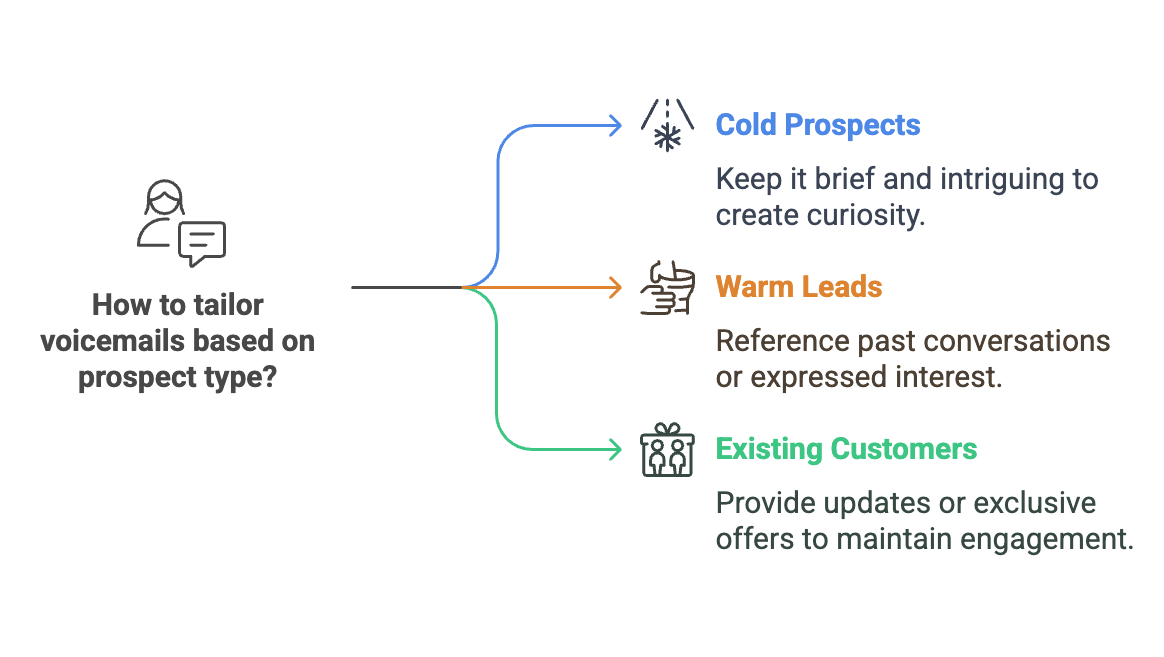
We will explore three powerful frameworks for doing exactly that.
Framework 1: The "Game Changer" Idea
This framework, popularized by sales trainer Matt Easton, positions you as a thoughtful expert rather than a typical salesperson. It's about proposing an "idea" rather than a product. It's subtle, confident, and highly effective at creating intrigue.
The MOST Effective Sales Voicemail EVER!
In this video, Matt Easton explains why most voicemails fail and presents his simple yet powerful alternative.
Watch from this section, where he breaks down the three components of his method and provides the exact script. Pay attention to the tonality and the deliberate use of phrases like "I wanted to reach out to you personally" and "but I'm not sure."
The script's power lies in its humility ("I'm not sure") and its focus on a potential "game changer" for the prospect. It creates a collaborative frame and makes them want to know what the idea is.
For your context, the script could sound like this:
"Hey [Prospect's Name], this is [Your Name] from [Coach's Company]. You and I were chatting on Instagram about [their goal]. I wanted to reach out personally because I have an idea that might be a game-changer for you, but I'm not sure. Can you give me a call back on my mobile, [Your Number]?"
Framework 2: The Short & Punchy Triggers
Sometimes, the most effective approach is to be incredibly brief and use a psychological trigger. Sales coach Cody Askins teaches three such voicemails: "Good News," "Quick Question," and "The Drop Off." The first two are perfect for your situation.
Leaving a Voicemail for a Prospect - Insurance Sales FAQ
This video provides three short, effective voicemail scripts designed to create urgency and curiosity.
Please watch the explanations for the first two scripts: the Good News voicemail and the Quick Question voicemail. Notice how short and direct they are.
These scripts work because they are mysterious and imply a benefit for the prospect.
- The "Good News" Voicemail: "Hey [Prospect's Name], this is [Your Name] getting back to you about your request. I've got some really good news for you. Call me back as soon as you can at [Your Number]."
- The "Quick Question" Voicemail: "Hey [Prospect's Name], this is [Your Name] getting back to you. I have a really quick question for you. Give me a call back when you have a moment at [Your Number]."
They are simple, repeatable, and very difficult for a curious person to ignore.
Framework 3: The "Lever" of Prior Context
Since you're calling warm leads from DM conversations, your most powerful tool is the context you already have. Explicitly referencing this prior connection acts as a "lever" to separate your call from any other cold call they might receive.
This article from GTMnow offers several scripts based on different psychological triggers. We'll focus on the one that's most relevant to your warm leads.
In the section "10 Sales Voicemail Scripts That Guarantee Callbacks," read the first two scripts: The Lever and The Mystery. Notice how "The Lever" uses a prior connection to establish immediate relevance.
The "Lever" script is your go-to for following up on DM chats. It's direct, professional, and reminds them of their initial interest.
"Hi [Prospect's Name], this is [Your Name] with [Coach's Company]. We were messaging on Instagram last week about the coaching program, and I wanted to follow up with you briefly. Please reach me at [Your Number]. Again, this is [Your Name] at [Your Number]. Thanks."
Your Turn: Script Your Voicemails
Now, let's put this into practice. Open your "Follow-Up Cadence" page in Notion. You're going to add a new section called "Voicemail Scripts" and draft three distinct voicemails you can use for your non-responsive warm leads. Use the frameworks we've just discussed.
- Script 1 (The "Game Changer"): Write a script based on Matt Easton's framework. What "idea" could you propose to a prospect interested in one of your coach's programs?
- Script 2 (The "Trigger"): Choose either the "Good News" or "Quick Question" framework and write a short, punchy script.
- Script 3 (The "Lever"): Write a script that directly references a prior DM conversation to re-establish context.
Having these scripts ready will give you immense confidence when you make your calls.
Conclusion
You now have a clear understanding of what separates a forgettable voicemail from one that gets a callback. The key is to shift your mindset from selling to creating curiosity. By keeping your messages short, avoiding a pitch, and using proven frameworks, you can dramatically increase your callback rate and re-engage those promising warm leads.
Key Takeaways:
- The goal of a voicemail is to get a callback, not to make a sale.
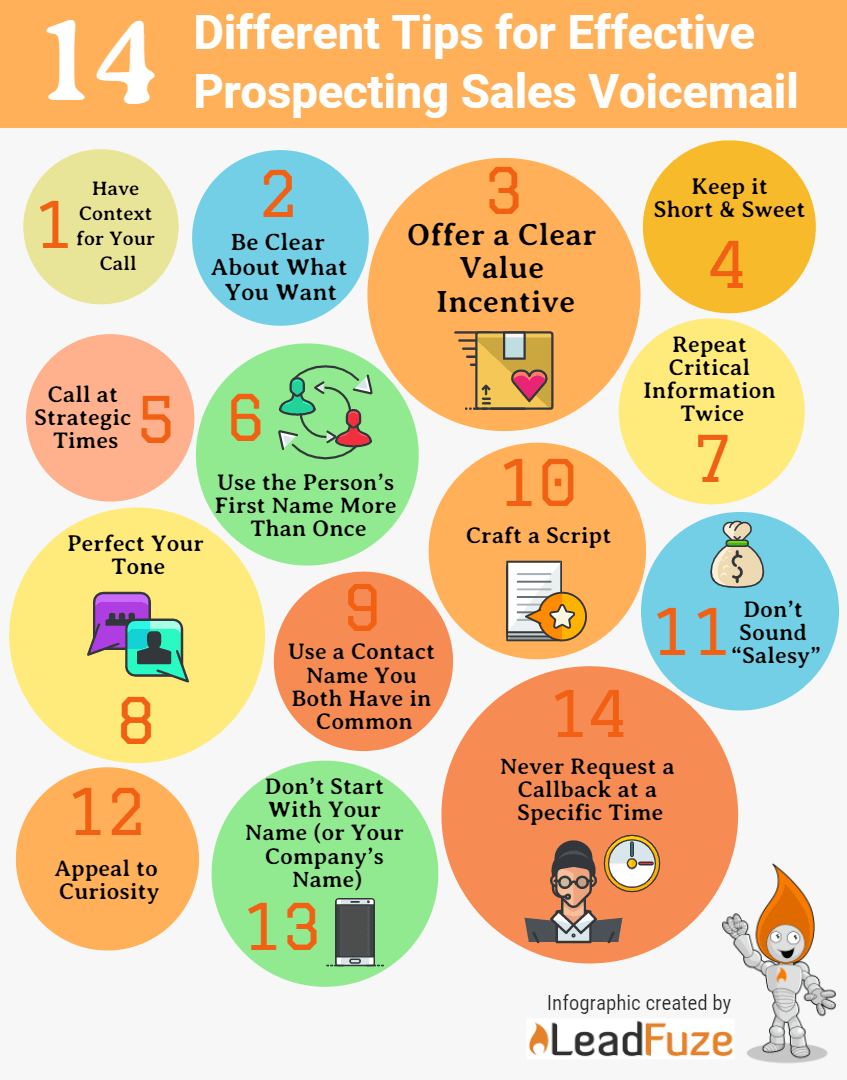
- Keep your messages under 30 seconds and always state your name and number twice.
- Avoid common mistakes like pitching, rambling, or sounding desperate.
- Use curiosity frameworks: propose a "game-changer" idea, offer "good news," ask a "quick question," or "lever" your prior conversation.
- Your tone of voice is just as important as your words. Sound confident, energetic, and professional.
In our previous lessons, we built a follow-up cadence and now we've scripted the voicemails for it. The next logical step is to practice and improve. In our next session, we will cover how to conduct a self-review of a recorded practice call using a structured feedback framework, helping you refine your delivery and technique.