Introduction
In our last lesson, we constructed a 90-day action plan for fostering collaboration between platform and developer teams. A critical part of that plan involved "marketing your success" and establishing continuous feedback loops. This lesson will build directly on that foundation by diving deep into how to design the communication strategy that makes those activities successful and sustainable.
Your goal for this lesson is to learn how to design a communication strategy for promoting platform capabilities and collecting developer feedback. We will move beyond abstract ideas and create a concrete framework for how a platform team should communicate. Given your interest in the intersection of business and technology, you'll see that this is less about sending announcements and more about applying product marketing and user research principles to an internal technical product. An excellent platform that is poorly communicated will ultimately fail due to lack of adoption, funding, or both.
The Foundation: Communication as a Product Function
Before we explore specific channels and tactics, it's essential to anchor our strategy in the "platform as a product" mindset. In this view, communication isn't an administrative task; it is a core product management function. It encompasses everything from market research (understanding developer needs) to marketing (promoting value) and customer support.
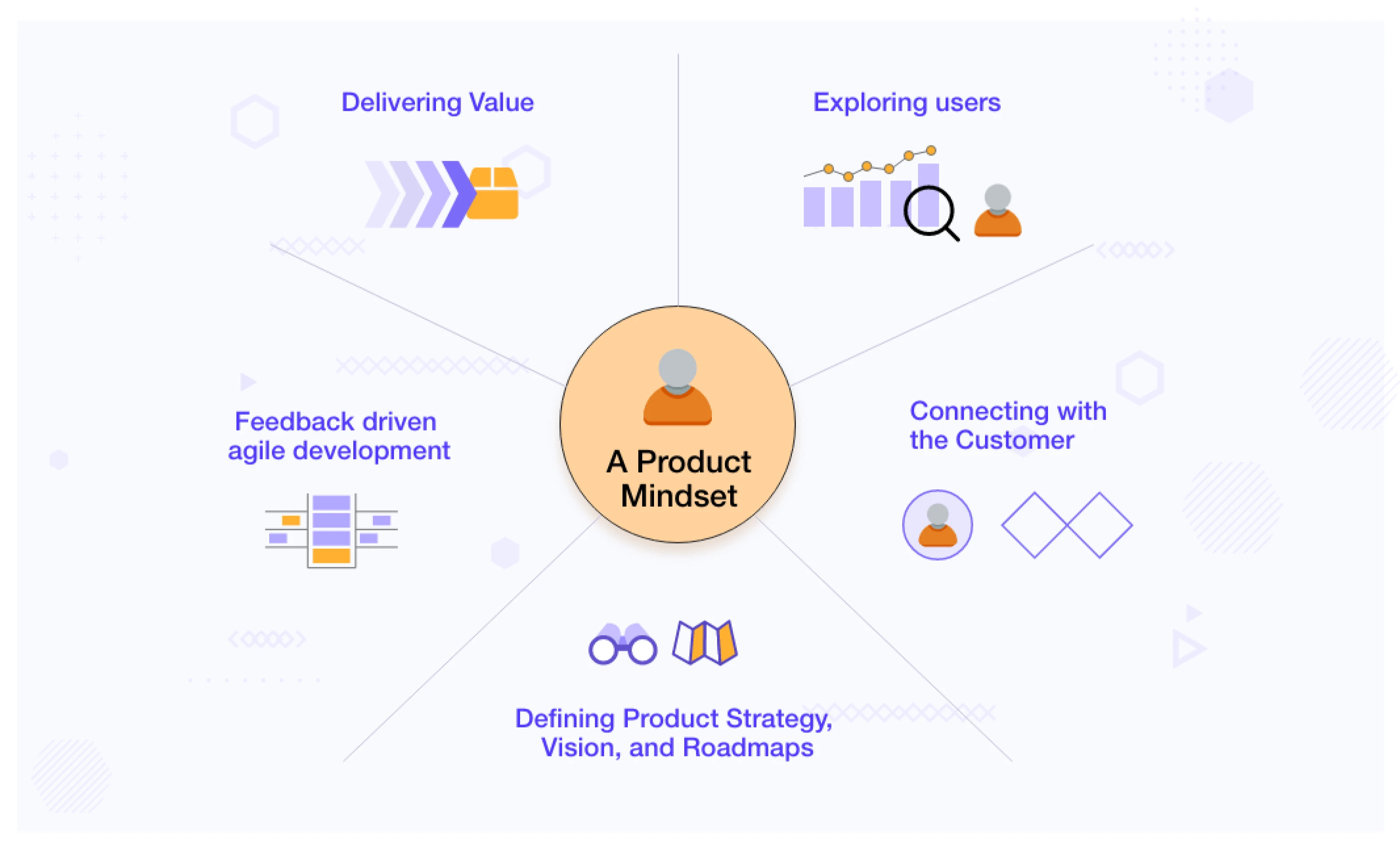
A platform product manager's role is to be the voice of the internal customer. This involves not only understanding their needs but also evangelizing the platform's offerings back to them.
Webinar: Platform as a Product: Companies + Platforms + PM by Spotify Sr PM, Madeleine Boucher
In this talk, Spotify Senior PM Madeleine Boucher explains why a product mindset is critical for platform success, even for deeply technical products.
First, watch her introduction to the PM's value in a technical domain. Then, jump to the section where she describes the core activities. Notice how she explicitly frames internal communication as product marketing, mentioning the need to evangelize offerings through internal channels like Slack and newsletters. She concludes by summarizing that a PM's job is to translate user knowledge into strategy and action, which is the essence of a communication plan.
This perspective provides our strategic frame: our communication plan must be a deliberate system for understanding users and demonstrating value, not just a series of ad-hoc announcements.
The Two Halves of a Communication Strategy
A complete communication strategy consists of two equally important streams of information flow:
- Promoting Capabilities (Outbound): This is the "marketing" function. Its goal is to make developers aware of the platform's features, how to use them, and the value they provide.
- Collecting Feedback (Inbound): This is the "user research" function. Its purpose is to understand developer pain points, gather requirements, and measure satisfaction to guide the platform's evolution.
We will design a strategy for each.
1. Promoting Platform Capabilities: The Internal Marketing Plan
"Build it and they will come" is a notorious anti-pattern in platform engineering. You must proactively market your platform's value. A core principle here is to tailor your message to your audience.
Starting and Scaling a Platform Engineering Team - Camille Fournier & Ian Nowland
In this segment from her talk on scaling platform teams, engineering leader Camille Fournier makes a critical distinction between two key audiences.
Watch the section where she differentiates between customers and stakeholders. This distinction is the cornerstone of an effective communication strategy. Your "customers" are the developers using the platform, while "stakeholders" are the leaders who fund it. They care about different things and require different messages.
Let's use this insight to structure our outbound communication.
- Messaging for Developers (Customers): Your message should focus on the "why"—how the platform makes their life easier. It should be framed in terms of developer experience and productivity.
- Messaging for Leadership (Stakeholders): Your message must connect the platform to business outcomes. Use metrics that demonstrate ROI, such as accelerated feature delivery, reduced operational costs, or improved system reliability.
With our audiences and messaging defined, we can now select the channels to deliver it. A robust strategy uses multiple channels to create a cohesive ecosystem.
Building a communication strategy for platform engineering teams
This article from GitLab provides an excellent, tactical overview of the essential communication channels for a platform team.
First, read the section on "Crafting effective rollout communications." This covers the critical launch moment. Then, review the detailed breakdown of the five essential channels, from "Documentation" to "Real-time messaging." Pay close attention to the specific purpose and best practices for each channel.
Drawing from that article and others, here is a multi-channel plan for promoting your platform:
- Value Proposition Storytelling: Before anything else, you need a compelling narrative. This isn't a feature list; it's a story about the problems your platform solves. As the Upbound AI article notes, this involves
crafting a clear value proposition with real-world examples and explainer videos. - Documentation Site: This is your primary marketing tool. It should include clear "Getting Started" guides, tutorials for common use cases, and code snippets. It promotes the platform by making it easy to adopt.
- Internal Blog: Use this for technical deep dives, architectural decision records (ADRs), and success stories. It’s the perfect place to share a post titled "How Team X cut their deployment time by 50% using the new platform pipeline."
- Demos, Brown Bags, and AMAs: These interactive sessions (mentioned in resource LINK) are crucial for building engagement. Use them to showcase new features, answer questions live, and give your "platform champions" a stage to share their positive experiences.
- Newsletters/Updates: A monthly or quarterly newsletter keeps the platform top-of-mind and demonstrates momentum. It reinforces that the platform is an actively developed and supported product.
- Branding: Don't underestimate the power of giving your platform a name and a logo. As mentioned in the Upbound AI article (LINK), you should market the platform internally as if it were an external product. This builds a professional identity and a sense of community.
2. Collecting Developer Feedback: The User Research Plan
The second half of your strategy is about listening. Without effective feedback mechanisms, your platform will inevitably drift away from user needs, leading to the rise of "shadow IT."
Proven Platform Adoption Strategies - Upbound AI
This article provides several concrete strategies for building feedback loops into your platform development process.
Read the sections on "Targeted Outreach and Community Building" and "Iterative Improvement and Feedback Loops." These sections highlight a mix of proactive outreach and channels for receiving inbound feedback.
An effective feedback strategy combines both active and passive collection methods.
Active Feedback Collection (You go to them)
- User Research Interviews: As we've discussed previously, nothing replaces sitting down with developers to understand their workflows, pain points, and future needs. This is the "recon work" Madeleine Boucher described in her talk (LINK).
- Surveys: Use lightweight surveys to gather quantitative and qualitative data. Common examples include:
- Developer Satisfaction (DSAT): "How satisfied are you with the CI/CD pipeline?"
- Net Promoter Score (NPS): "How likely are you to recommend this platform to another team?"
- Office Hours: A regularly scheduled, open forum where any developer can drop in to ask questions, report issues, or suggest ideas.
- Pilot Programs: Engaging with a pilot group for a new feature is one of the most powerful forms of active feedback, allowing you to co-create the solution with your most engaged users.
Passive Feedback Collection (They come to you)
- Real-time Chat (e.g., Slack): This provides an immediate, low-friction way for users to ask questions. However, it requires careful management. The GitLab article (LINK) provides excellent "golden rules" for this channel: respond promptly, present a consistent voice, and—critically—open support tickets for users instead of telling them to do it themselves. This simple act transforms the interaction from a burden into a service.
- Community Forums: A dedicated forum or wiki space allows for more structured, long-form discussions than chat. It can become a searchable knowledge base of community-solved problems.
- Health Dashboard: A transparent, real-time dashboard showing the status of all platform services is a crucial communication tool. As the GitLab article (LINK) notes, it builds trust by acknowledging issues proactively and reduces support noise during an outage.
- In-app Feedback Tools: Where possible, embed simple feedback mechanisms directly into your platform's UI, such as a thumbs-up/down button after a successful deployment.
Conclusion
A well-designed communication strategy is the lifeblood of a successful internal platform. It transforms the relationship between the platform team and developers from a one-way service provider to a collaborative partnership, creating a virtuous cycle where promotion drives adoption, and adoption generates feedback that improves the platform.
Key Takeaways:
- Treat Communication as a Product Function: Your communication strategy is an extension of the "platform as a product" mindset, encompassing internal marketing and user research.
- Use a Two-Pronged Approach: A complete strategy includes both outbound communication to promote capabilities and inbound channels to collect feedback.
- Tailor Your Message to the Audience: Speak the language of productivity and value to developers (your customers) and the language of business impact and ROI to leadership (your stakeholders).
- Employ a Multi-Channel Strategy: Combine static resources (documentation, blogs), regular updates (newsletters), and interactive sessions (demos, office hours) to reach your entire user base.
- Formalize Feedback Loops: Don't leave feedback to chance. Implement a mix of active (surveys, interviews) and passive (chat, forums) mechanisms to ensure a continuous flow of user insights.
Preview of the Next Lesson:
We have now concluded our deep dive into the sociotechnical discipline of platform engineering. In the next module, we will pivot to what is arguably the most significant technological shift currently influencing software architecture: Artificial Intelligence. Our first lesson will establish the fundamentals, exploring how AI capabilities are categorized, the unique challenges of integrating non-deterministic components, and the new architectural patterns and non-functional requirements that AI introduces.