Introduction
In our last lesson, we diagnosed common communication anti-patterns that can undermine collaboration in remote and cross-functional teams. Recognizing what doesn't work is the first step; now, we shift our focus to proactively building what does.
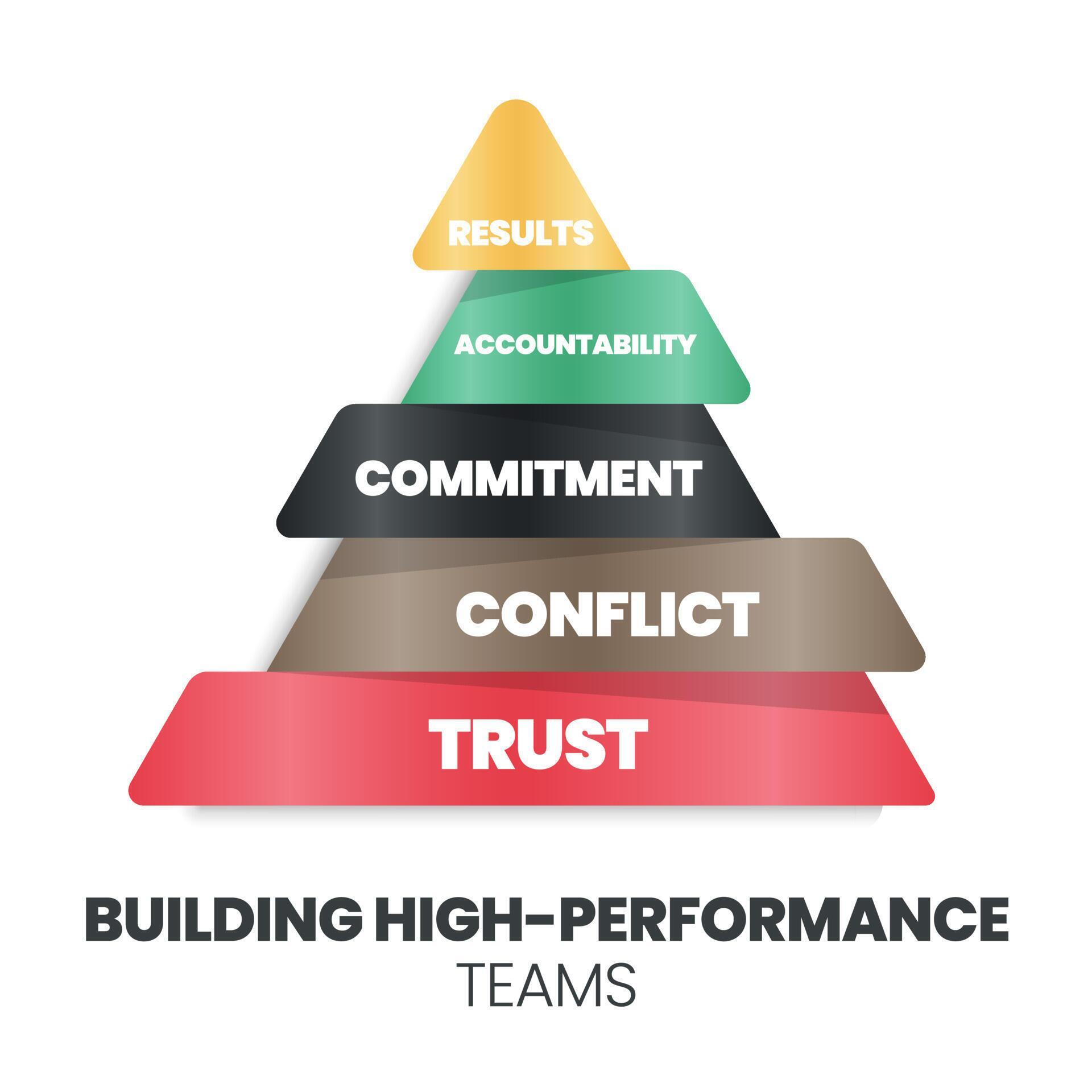
This lesson is about constructing the single most important element of any successful team: trust. In a traditional office, trust can develop organically through informal chats and shared experiences. In a remote or hybrid setting, this process must be deliberate and intentional. Our goal today is to equip you with practical strategies to build and maintain trust and rapport with your colleagues, no matter where they are located. For someone with your interest in building high-performing systems, whether in tech or finance, you'll find that trust is the foundational layer upon which all other team functions are built.
The Challenge of Remote Trust
The core challenge of building trust remotely was perfectly captured by author Simon Sinek, who noted that trust is what happens "between the meetings"—the casual hallway conversations, the shared lunch breaks, the walk to the coffee machine. In a remote setup, these spontaneous interactions disappear, leaving only the formal meetings.
This transforms our teams into something akin to long-distance relationships, which require more conscious effort to maintain connection and understanding. To explore this idea further, please watch this short video from Simon Sinek.
How Do You Build Trust with Remote Teams?
This video provides a powerful analogy for why building trust requires more deliberate effort in remote teams.
Watch the first minute of the video, from the beginning to the core idea. Pay close attention to the concepts of trust being built "between the meetings" and the comparison of remote teams to "long-distance relationships."
This highlights a critical mindset shift. In a remote environment, fostering connection is not a "soft" perk; it is an operational necessity. Teams with strong interpersonal bonds communicate more effectively, resolve conflicts faster, and innovate better.
The Two Phases of Trust: Swift and Interpersonal
When a new team forms, it often benefits from an initial, fragile form of trust known as swift trust. This is the default assumption that everyone is competent and aligned with the team's goals—a sense of "we're all in this together." As a leader or team member, you can capitalize on this by ensuring goals are crystal clear from the start and by publicly acknowledging the skills and expertise each person brings.
However, swift trust is temporary and will erode over time if not replaced by a deeper, more resilient form: interpersonal trust. This is the trust built on genuine personal connection, mutual respect, and care. It's what motivates a colleague to go the extra mile for you, not because it's their job, but because they are invested in your shared success.
The following video from Harvard Business Review explains this transition and introduces other key strategies for building trust in a virtual setting.
How to Build Trust on Your Virtual Team
This video from Harvard Business Review outlines a clear framework for nurturing trust, from the initial "swift trust" to deeper interpersonal bonds.
Please watch the video from the beginning. As you watch, focus on these three key strategies: Making the most of swift trust when a team first forms. The need to proactively build interpersonal trust through personal connection. The importance of communicating with predictability to establish reliability.
The Mechanics of Building Trust
The HBR video emphasizes predictability and reliability as cornerstones of trust. When your colleagues can depend on you to respond consistently and do what you say you will do, a foundation of trust is formed. This moves beyond personal liking and into professional reliance.
This idea is central to the concept of accountability without surveillance. In a high-trust remote environment, managers don't need to monitor activity because they trust the team to deliver on outcomes. Trust is verified through visible progress and consistent delivery, not by tracking keystrokes or time online. This approach empowers individuals and fosters a culture of ownership.
Remote Work Best Practices: Frameworks for Distributed Teams
This section from TrackingTime's guide on remote work provides an excellent framework for fostering accountability that builds, rather than erodes, trust.
Please read the section titled "Accountability Without Surveillance." Pay attention to the four principles of the Outcome-Based Accountability Framework, particularly the distinction between "trust" (assuming good intent) and "verification" (using systems to surface problems).
Beyond reliability, building interpersonal trust involves a cycle of reciprocity, where positive actions are returned in kind, strengthening the relationship over time.

This cycle illustrates that trust isn't just a feeling; it's a process of repeated, positive interactions that demonstrate mutual respect and shared purpose.
Actionable Strategies for Building Rapport
Knowing the theory is one thing; putting it into practice is another. The key is to intentionally create those "between the meetings" moments that remote work eliminates. This doesn't mean forcing awkward virtual happy hours. Effective strategies often involve creating structured, low-pressure opportunities for personal connection.
The following article from Forbes offers a wealth of practical exercises. We will focus on a few that are particularly effective for fostering understanding and connection.
How To Build Trust Among Remote Teammates: 20 Exercises For ...
This article provides a list of actionable exercises for building trust. We will explore a few different types to give you a toolkit of options.
Please read the following four exercises to get a feel for the different ways you can intentionally build connection: For structured understanding: Read about the "Working With Me" document. This is a simple but powerful tool for proactively sharing work styles and preferences. For sharing vulnerability: Read the description of the "Vulnerability Share" exercise and the similar "Wins and Lessons" check-in. These normalize setbacks and create psychological safety. For informal connection: Read about "Skill Sharing Spotlights." This allows team members to showcase a different side of themselves and share expertise outside their formal role.
These are just a few examples. The goal is not to implement all of them, but to find one or two that fit your team's culture. The common thread is creating a space for team members to be seen as whole people, not just as names in a chat window. These small, consistent investments in connection build the interpersonal trust that allows a remote team to thrive.
Conclusion
Today we've moved from diagnosing problems to building solutions, focusing on the essential role of trust in remote collaboration. You've learned that while trust can be a casualty of distance, it can also be cultivated through deliberate, thoughtful action.
Key Takeaways:
- Trust is the foundation: High-performing remote teams are built on a bedrock of trust, which enables psychological safety, effective conflict, and accountability.
- Remote trust must be intentional: The informal interactions that build relationships in an office don't happen automatically in a remote setting. We must consciously create them.
- Trust has two phases: Leverage initial "swift trust" by setting clear goals, but work proactively to build durable "interpersonal trust" through connection and reliability.
- Accountability builds trust: An outcome-based approach to accountability demonstrates trust in your colleagues' competence and intent, making surveillance-style management unnecessary.
- Small, consistent actions matter: Simple, structured exercises like sharing "wins and lessons" or creating a "Working With Me" document can have an outsized impact on team cohesion.
In our next lesson, we will build on this foundation of trust by creating a communication charter. Having established the "soft" infrastructure of rapport and psychological safety, we will then define the "hard" infrastructure: the explicit rules of engagement, communication channels, and team norms that ensure everyone is on the same page.