Introduction
Welcome to the final lesson in our module on facilitating effective meetings. Over the past three lessons, we've built a complete toolkit for managing the mechanics of a meeting: setting a clear agenda, guiding the discussion, and concluding with actionable next steps. You've learned how to ensure a meeting is productive and its outcomes are clear.
Now, we will elevate those skills from proficient management to impactful leadership. This lesson focuses on a more subtle but powerful skill: identifying opportunities to lead from within a meeting, regardless of your formal title. We will explore how to use your presence and the techniques you've learned to guide, influence, and foster collaboration, turning a standard meeting into a space where real progress and innovation happen. This is a crucial step in your journey, as demonstrating leadership through influence is highly valued in the dynamic, cross-functional teams common in the tech and AI fields.
From Participant to Leader: A Shift in Mindset
In any meeting, you can choose to be a passive participant, a facilitator who manages the process, or a leader who shapes the outcome. While facilitation is a vital skill, leadership is an action and a mindset. It's about taking responsibility for the quality of the conversation and the success of the group as a whole.
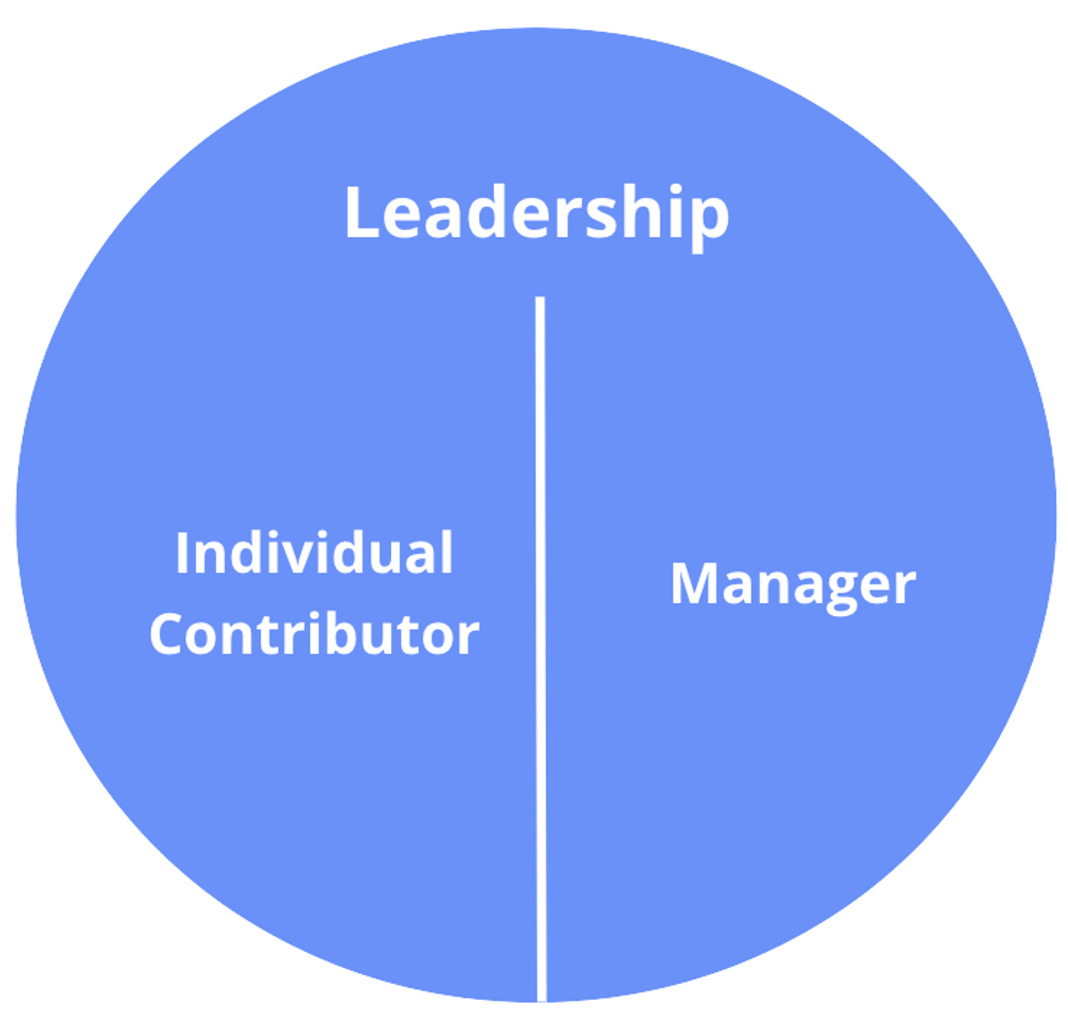
Leading without formal authority means you're not giving orders; you're offering guidance, making connections, and elevating the discussion. It's about seeing the meeting not just as a series of agenda items, but as a system of human interactions that you can positively influence.
The article "How to Lead Without Authority" by Andi Roberts introduces four "lenses" through which you can view and practice this type of leadership. We'll use these as our guiding framework.
How to Lead Without Authority: 4 Lenses for Influence & Impact
This article provides an excellent theoretical and practical foundation for understanding how to lead without a formal title. It breaks down the concept into four actionable areas.
As you read, focus on how each of these lenses could be applied specifically within a meeting context: Start with the introduction to get an overview of the four lenses. Read The Influence Lens: Focus on the section explaining credibility through Competence, Character, and Care. Read The Network Lens: Pay attention to the distinction between hubs and bridges. Read The Convening Lens: Note the idea that shaping the room is key. Read The Stewardship Lens: Absorb the core concept of stewardship, which is to act as if you are responsible. For each lens, review the "Leadership moves" at the end of the section; these are concrete actions you can take.
Spotting Your Moments: Scenarios for Meeting Leadership
The four lenses—Influence, Network, Convening, and Stewardship—provide a powerful mental model. Now let's translate them into specific, recognizable moments within a meeting where you can step up and lead.
Scenario 1: The Discussion is Unproductive or Going in Circles
The Opportunity: Use your Convening and Stewardship lenses to reset the conversation. You are not just a participant; you are a co-owner of the meeting's success.
What it looks like: The team is endlessly debating two similar technical approaches, and the energy is dropping.
Your Leadership Move: Instead of letting it continue, you can gently intervene to re-center the group. This leverages the summarizing skills from our last lesson with a strategic purpose.
- Action: "I'm hearing a lot of good points on both sides. Stepping back for a moment, the goal for this quarter is to improve performance by 15%. Which of these two options gets us closer to that specific target, and what evidence do we have?"
- Action: "It feels like we're stuck. Perhaps we don't have enough information to decide right now. What's one thing we could learn or test this week that would make this decision clearer in our next meeting?"
Scenario 2: Dominant Voices Overshadow Others
The Opportunity: Use your Convening lens to create psychological safety and ensure all perspectives are heard. A decision made with incomplete input is a risk. Your goal is to design participation, not just let it happen.
What it looks like: Two senior members of the team are doing most of the talking, while more junior members or those from other departments are silent.

Your Leadership Move: Actively and inclusively invite others into the conversation. The article "How to Encourage Team Collaboration Despite Dominant Voices" provides excellent, practical techniques for this.
How to Encourage Team Collaboration Despite Dominant Voices
This resource offers concrete tactics for managing group dynamics in meetings to encourage broader participation.
Focus on the section Meeting Management. Pay close attention to the specific, inclusive prompts suggested, such as, "Let’s hear from someone who hasn’t spoken yet."
- Action: "Thanks, Alex, for that perspective. Maria, you worked on a similar project last year. I’d be interested to hear if you see any parallels or potential pitfalls."
- Action: "This is a complex issue. To make sure we're not missing anything, let's try a quick round-robin. In one sentence, what's the biggest risk or opportunity you see with this plan? Let's start with Chen."
Scenario 3: A Cross-Functional Dependency is Identified
The Opportunity: Use your Network lens to act as a "bridge." Your value increases when you connect people and resources, unblocking progress for the entire team.
What it looks like: A developer mentions they need new API keys from the security team to proceed, but they aren't sure who to ask or how long it will take. The conversation is about to move on.
Your Leadership Move: Don't let the potential bottleneck fade. Solidify the connection and the request. A powerful way to do this is by framing it collaboratively, rather than making a demand.
Influence Without Authority: Leading When You're Not the Boss
This video, "Influence Without Authority," demonstrates a highly effective technique for making requests of colleagues you don't manage. It's about shifting from asking "Can you?" to asking "How can we?"
Watch the following segments: The Problem: First, listen to the audience member describe a common challenge from the initial problem. The Foundation: Understand the core principle of a team approach and explaining the 'why' from the core principle. The Technique: Pay close attention to the specific phrasing suggested from the 'how to make it happen' technique. The shift from "Can you do it?" to "What would it take to do that?" is a masterclass in collaborative influence.
- Action: "It sounds like this is a blocker. Sarah, I believe you know the security team well. Could you introduce Mark to the right person? Or perhaps we can phrase the request together to make it as clear as possible for them."
- Action (using the video's technique): "Mark, after this meeting, let's draft a message to the security team. We can ask them, 'We need these API keys by Friday to stay on track. What would it take for that to be possible?' This invites them to problem-solve with us."
A Simple Model for Influence
As you practice spotting these opportunities, it can be helpful to have a simple, memorable model in mind. The frameworks we've discussed are powerful, and the following video provides a concise 4-step process that complements them well.
How To Influence Without Authority (4 Actionable Steps)
This video, "How To Influence Without Authority," offers a clear, actionable set of steps for thinking about influence.
Watch the video from the start of the content. As you watch, think about how each of the four steps can be applied before, during, and after a meeting to maximize your impact: Know Your Audience: Who is in the meeting? What do they care about? Find Common Ground: What is the shared goal you can align your contributions with? Use the Right Tactics: Are you providing data? A story? A clarifying question? Influence the Influencers: Who in the room has formal authority or high credibility? How can you support their goals to achieve a shared objective?
Conclusion
You have now completed the entire module on facilitating effective meetings. We have journeyed from the foundational mechanics of agendas and timekeeping to the nuanced art of leading through influence. By mastering these skills, you do more than just run better meetings; you demonstrate the foresight, accountability, and collaborative spirit that are hallmarks of a leader.
Key Takeaways:
- Leadership is an Action: In a meeting context, leadership is not defined by your title but by your choice to take responsibility for the group's success.
- Look for the "Problems": Opportunities to lead often disguise themselves as problems—a stalled debate, a silent team member, an unresolved dependency.
- Four Lenses for Leadership: Use the lenses of Influence (your credibility), Network (your connections), Convening (shaping the conversation), and Stewardship (owning the outcome) to guide your actions.
- Lead by Inviting: The most effective way to lead without authority is to invite collaboration—by asking inclusive questions, connecting people, and framing problems in a shared context.
In our next module, we will broaden our focus from single meetings to sustained collaboration over time. We'll begin by exploring how to identify and address common communication anti-patterns that can hinder progress in remote and hybrid teams.