Welcome back. In our previous lesson, we explored how trust is built on the foundations of Character and Competence. We identified Reliability—consistently doing what you say you will do—as a critical component. Today, we transition from what reliability is to how you can systematically build it.
This lesson addresses a core professional skill: the ability to proactively manage expectations around your commitments. Rather than waiting for deadlines to approach or for others to ask for updates, you will learn to lead these interactions. This skill is invaluable in your current role for ensuring payroll operations run smoothly and will be even more critical as you move into tech, where project-based work with multiple stakeholders and complex deliverables is the norm. By the end of this lesson, you will be able to apply a proactive framework to manage expectations, turning reliability into a demonstrable strength.
The Mindset: From Reaction to Proactive Partnership
Managing expectations often gets a bad reputation, as if it's about lowering standards or avoiding difficult work. In reality, it's about creating shared clarity and mitigating risks before they become problems. It’s the difference between being a passive order-taker and an active partner in achieving a goal.
This proactive mindset requires a degree of analytical thinking, much like you might use when evaluating an investment. You must consider the variables, anticipate potential issues, and communicate clearly about the most probable outcomes. Let's start with a short video that frames this mindset.
What Did You Expect? How To Manage Expectations
This video, "What Did You Expect? How To Manage Expectations" by Ginny Clarke, introduces the importance of setting realistic expectations in an uncertain work environment.
Please watch the following two clips: The introduction (setting the stage), which highlights the need to mitigate unforeseen circumstances. A segment on analytical skills, where the speaker discusses using frameworks and situational analysis to set reasonable expectations. As you watch, consider how this parallels analyzing market trends or economic indicators: you gather data to make a more informed judgment, not to predict the future with certainty.
This proactive approach is often called "managing up." It’s not about controlling your boss, but about building an effective partnership. To clarify this concept, let's look at a definition.
Guide to managing up: What it means and why it's important
This article from Culture Amp provides a clear and productive definition of "managing up."
Please read the first few sections of the article, from the start down to the end of the examples. This will help solidify the idea that managing expectations is a collaborative, not a manipulative, act.
A Framework for Setting Expectations
Before you can manage a commitment, it needs to be clearly defined. Vague goals are the primary source of mismatched expectations. A conversation to set expectations should feel empowering—a vote of confidence in your ability to deliver.
The following video presents a simple yet powerful four-step framework for establishing this initial clarity.
How to Create Clear Expectations With Your Team
In "How to Create Clear Expectations With Your Team," the speaker from EntreLeadership outlines a practical model for setting expectations.
Watch the segment from Frame, Empower, Measure, Commit. Pay close attention to the final step, "Commit," and the distinction made between simple alignment and a true, two-way commitment.
Let's break down this Frame, Empower, Measure, Commit framework:
- Frame: Define the what and why. Make the objective and its purpose exceptionally clear.
- Instead of: "I need you to look into the new tax regulations."
- Try: "We need to ensure our system is compliant with the new tax regulations by the end of the quarter. Your role is to identify all changes and document the required system updates."
- Empower: Confirm you have the means to succeed. This includes access to information, tools, or other people.
- Ask: "To do this effectively, I'll need access to the legal advisory subscription and a contact person in the IT department. Do I have your support for that?"
- Measure: Define what "done" and "successful" look like.
- Clarify: "Success for this project means a finalized requirements document, approved by legal, delivered by June 15th. Is that your understanding as well?"
- Commit: Secure a mutual, verbal agreement. This transforms a one-way directive into a shared goal.
- Confirm: "Okay, I can commit to delivering the approved requirements document by June 15th."
The Ongoing Process: Proactive Alignment and Communication
Setting the expectation is only the beginning. The real work of building reliability lies in the proactive management of that commitment over time. This involves creating transparency and ensuring you and your manager or stakeholders remain aligned.
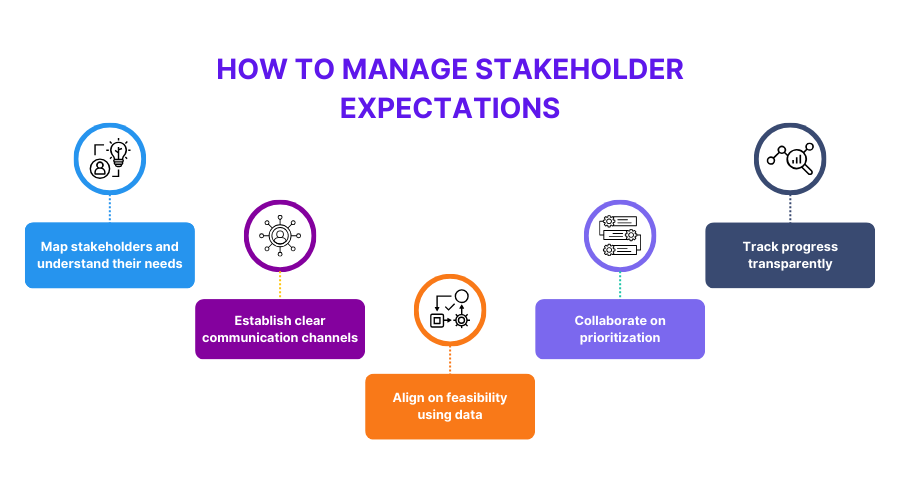
This is where the tactics of "managing up" become essential. Here are three of the most effective strategies.
A Tactical Guide to Managing Up: 30 Tips from the Smartest People ...
This article from First Round Review is a masterclass in practical, proactive communication tactics. We'll focus on a few key techniques.
Please read the following four sections to build your proactive framework: Start with the cardinal rule in Tip 8: Avoid surprises. This is the non-negotiable foundation of reliability. Next, read Tip 27, which offers a brilliant system for proactive updates: "State of Me" report. Pay close attention to the simple template provided. Then, read Tip 20 on how to structure your 1-on-1s for alignment: Use a shared doc. Finally, read Tip 23 on making alignment explicit: Ask if you are aligned.
Let's synthesize these ideas into a repeatable weekly workflow:
- Throughout the week: When you see a potential risk or delay, communicate it immediately. Remember the rule: no surprises. Frame the issue with a potential solution (e.g., "We're waiting on data from Finance, which puts the deadline at risk. I propose we proceed with last month's data as a placeholder to keep the project moving. What do you think?").
- End of week (e.g., Friday afternoon): Send a concise "State of Me" email. This simple habit keeps your manager informed, builds confidence, and documents your progress. A good template is:
- Priorities: What are my 1-3 main goals for next week?
- Progress: What did I accomplish this week?
- Problems/Blockers: Where do I need help?
- Before your 1-on-1: Populate the shared agenda document. List your topics, updates, and any questions you have. This ensures your meeting is strategic.
- During your 1-on-1: After discussing key topics, explicitly check for alignment. A simple "Based on our conversation, it sounds like my top priority is X. Are we aligned on that?" can prevent weeks of wasted effort.
Conclusion
In this lesson, we established a proactive framework for managing commitments, a core practice for building the Reliability we discussed previously. You've learned that managing expectations is a continuous cycle of clear communication, not a one-time event.
Key Takeaways:
- Managing expectations is a proactive partnership focused on creating clarity and mitigating risk.
- Begin by setting clear expectations using a framework like Frame, Empower, Measure, and Commit.
- The number one rule of ongoing management is no surprises. Communicate early and often, especially about risks.
- Implement a system of proactive updates, such as a weekly "State of Me" email, to ensure transparency and build confidence.
- Use your 1-on-1 meetings strategically by preparing an agenda and explicitly confirming alignment on priorities.
By applying this framework, you not only meet expectations but also shape them, demonstrating initiative and foresight—qualities that are highly valued in any role, especially in the fast-paced tech world.
In our next lesson, we will sharpen the tools you'll use to execute these strategies. We'll focus on writing clear, concise, and professional digital communications, ensuring your emails and messages are as effective as your framework.