Arabic version below
Introduction
Welcome back! In our last lesson, we explored the marketing funnel and the AIDA model, which gave us a framework for guiding potential customers from awareness to action. We learned how to structure a marketing journey.
Today, we address the most important question that comes before you even think about your funnel: "Who are we talking to?" If you don't know your audience, your marketing messages will be like shouting into the wind.
This lesson is designed to help you define a target audience and create a basic buyer persona. You will learn:
- The difference between a broad target audience and a specific buyer persona.
- Why creating a buyer persona is crucial for effective marketing.
- A step-by-step process to research and build a basic buyer persona.
Understanding your customer is the foundation of all successful marketing. This lesson will give you the tools to ensure your message reaches and resonates with the right people.
مقدمة
أهلاً بك مجدداً! في درسنا الأخير، استكشفنا قمع التسويق ونموذج AIDA، مما أعطانا إطار عمل لتوجيه العملاء المحتملين من مرحلة الوعي إلى اتخاذ الإجراء. لقد تعلمنا كيفية تنظيم رحلة التسويق.
اليوم، سنتناول السؤال الأكثر أهمية الذي يأتي حتى قبل أن تفكر في قمعك التسويقي: "مع من نتحدث؟" إذا كنت لا تعرف جمهورك، فإن رسائلك التسويقية ستكون مثل الصياح في مهب الريح.
صُمم هذا الدرس لمساعدتك على تحديد الجمهور المستهدف وإنشاء شخصية مشترٍ أساسية (buyer persona). سوف تتعلم:
- الفرق بين الجمهور المستهدف الواسع وشخصية المشتري المحددة.
- لماذا يعد إنشاء شخصية المشتري أمراً حاسماً للتسويق الفعال.
- عملية خطوة بخطوة للبحث وبناء شخصية مشترٍ أساسية.
إن فهم عميلك هو أساس كل تسويق ناجح. سيمنحك هذا الدرس الأدوات اللازمة لضمان وصول رسالتك وتأثيرها في الأشخاص المناسبين.
1. Target Audience vs. Buyer Persona: Broad vs. Specific
Arabic version below
In marketing, it's easy to confuse the terms "target audience" and "buyer persona." While related, they serve different purposes. Let's clarify the difference.
What is a Target Audience?
A target audience is a broad group of people defined by general characteristics. Think of it as drawing a large circle around all the potential customers for your product. This group is often defined by:
- Demographics: Age, gender, income, location, education.
- Behaviors: General interests or habits.
For example, a target audience for a new running shoe might be "men and women aged 20-40 who are interested in fitness and live in urban areas." It’s useful, but still very general.
To get a clear definition, let's watch a short video.
What is a Target Audience? 🎯 Types & Examples!
This video from Marketing Explained clearly defines a target audience and then contrasts it with a buyer persona using a simple example.
Please watch from 00:20 to 03:01. Focus on: The definition of a target audience. The explanation of how a buyer persona is different. The example of 'working moms' (target audience) vs. 'Penny' (buyer persona).
What is a Buyer Persona?
As the video explained, a buyer persona is a much more detailed, semi-fictional character that represents your ideal customer within your target audience. It’s not a real person, but a profile you create based on research. A persona goes beyond demographics to include:
- Goals: What are they trying to achieve?
- Challenges (Pain Points): What problems are they facing?
- Motivations: What drives their decisions?
- Behaviors: Where do they spend their time online? What kind of content do they like?
Here is an image that visually summarizes the difference:
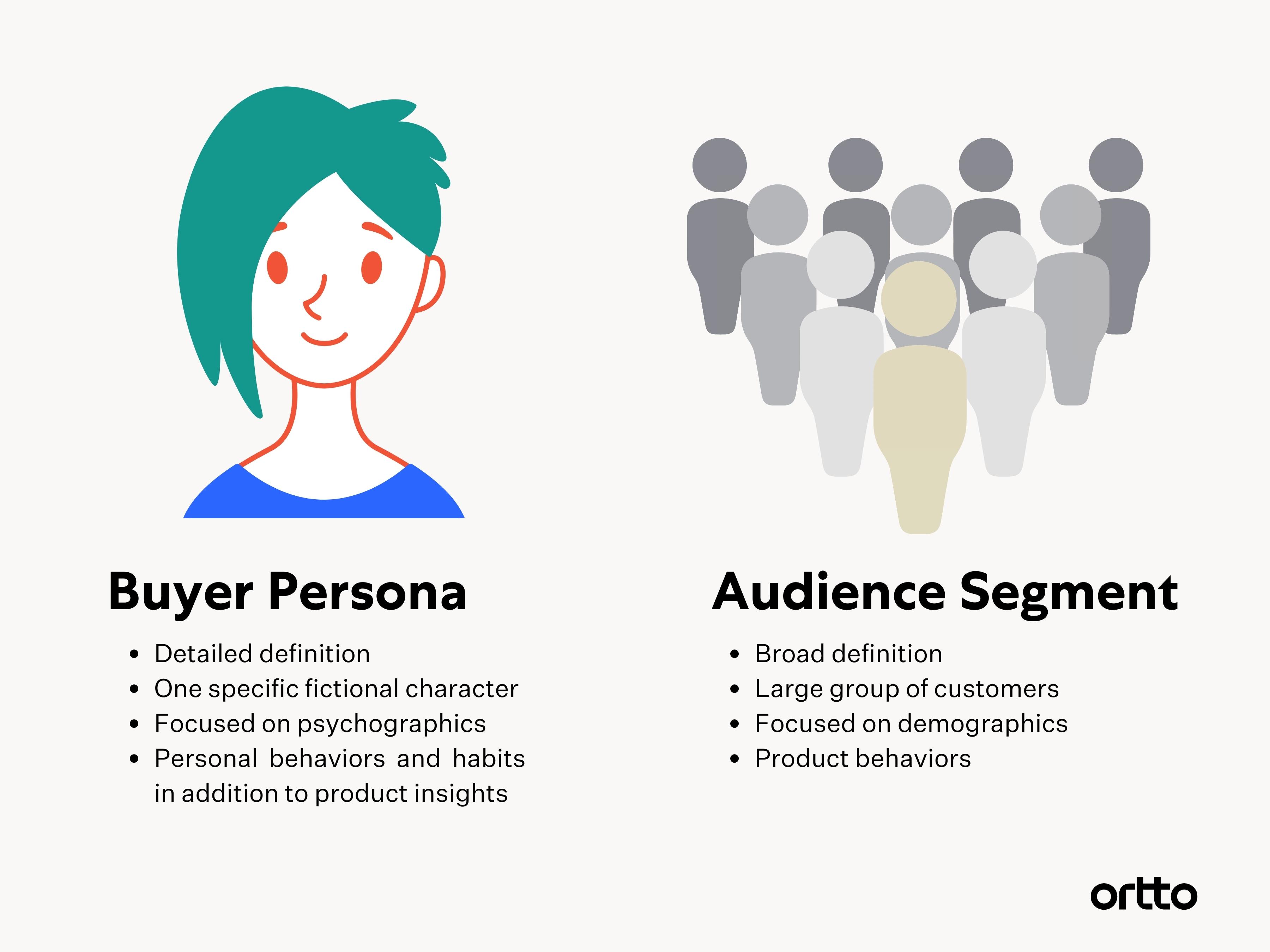
To deepen your understanding, let's review a short article that breaks down the key differences.
Difference Between Target Audience and Buyer Persona
This article from Airops provides a structured comparison between target audiences and buyer personas, which will solidify the concepts from the video.
Read the sections 'What is a Target Audience?', 'What is a Buyer Persona?', and 'Key Differences Between Target Audiences and Buyer Personas'. Pay close attention to the comparison points: Scope, Detail, Application, and Development.
In simple terms:
- Target Audience tells you WHO might be interested. (e.g., Working moms).
- Buyer Persona tells you HOW to connect with them and WHY they would buy. (e.g., "Penny, a busy lawyer mom who hates waiting in lines and values online shopping for its convenience").
Knowing this "why" is the key to creating marketing that truly connects with people on a personal level.
١. الجمهور المستهدف مقابل شخصية المشتري: العام مقابل المحدد
في التسويق، من السهل الخلط بين مصطلحي "الجمهور المستهدف" و"شخصية المشتري". على الرغم من ارتباطهما، إلا أنهما يخدمان أغراضاً مختلفة. دعنا نوضح الفرق.
ما هو الجمهور المستهدف؟
الجمهور المستهدف هو مجموعة واسعة من الأشخاص يتم تحديدهم بخصائص عامة. فكر في الأمر كرسم دائرة كبيرة حول جميع العملاء المحتملين لمنتجك. غالبًا ما يتم تحديد هذه المجموعة من خلال:
- الخصائص الديموغرافية: العمر، والجنس، والدخل، والموقع، والتعليم.
- السلوكيات: اهتمامات أو عادات عامة.
على سبيل المثال، قد يكون الجمهور المستهدف لحذاء جري جديد هو "الرجال والنساء الذين تتراوح أعمارهم بين 20 و 40 عامًا والمهتمون باللياقة البدنية ويعيشون في المناطق الحضرية". هذا مفيد، ولكنه لا يزال عامًا جدًا.
للحصول على تعريف واضح، دعنا نشاهد مقطع فيديو قصير.
What is a Target Audience? 🎯 Types & Examples!
يحدد هذا الفيديو من قناة Marketing Explained بوضوح الجمهور المستهدف ثم يقارنه بشخصية المشتري باستخدام مثال بسيط.
يرجى المشاهدة من 00:20 إلى 03:01. ركز على: تعريف الجمهور المستهدف. شرح كيف تختلف شخصية المشتري. مثال 'الأمهات العاملات' (الجمهور المستهدف) مقابل 'بيني' (شخصية المشتري).
ما هي شخصية المشتري؟
كما أوضح الفيديو، شخصية المشتري هي شخصية شبه خيالية وأكثر تفصيلاً تمثل عميلك المثالي ضمن جمهورك المستهدف. إنها ليست شخصاً حقيقياً، بل ملف شخصي تنشئه بناءً على البحث. تتجاوز شخصية المشتري الخصائص الديموغرافية لتشمل:
- الأهداف: ما الذي يحاولون تحقيقه؟
- التحديات (نقاط الألم): ما هي المشاكل التي يواجهونها؟
- الدوافع: ما الذي يدفع قراراتهم؟
- السلوكيات: أين يقضون وقتهم على الإنترنت؟ ما نوع المحتوى الذي يحبونه؟
إليك صورة تلخص الفرق بصريًا:
لتعميق فهمك، دعنا نراجع مقالًا قصيرًا يوضح الفروق الرئيسية.
Difference Between Target Audience and Buyer Persona
يقدم هذا المقال من Airops مقارنة منظمة بين الجماهير المستهدفة وشخصيات المشترين، مما سيعزز المفاهيم التي تعلمتها من الفيديو.
اقرأ أقسام 'What is a Target Audience?' و 'What is a Buyer Persona?' و 'Key Differences Between Target Audiences and Buyer Personas'. انتبه جيدًا لنقاط المقارنة: النطاق (Scope)، والتفصيل (Detail)، والتطبيق (Application)، والتطوير (Development).
ببساطة:
- الجمهور المستهدف يخبرك من قد يكون مهتمًا. (على سبيل المثال، الأمهات العاملات).
- شخصية المشتري تخبرك كيف تتواصل معهم ولماذا سيشترون. (على سبيل المثال، "بيني، محامية مشغولة وأم تكره الانتظار في الطوابير وتقدر التسوق عبر الإنترنت لراحته").
معرفة هذا الـ "لماذا" هي مفتاح إنشاء تسويق يتواصل حقًا مع الناس على المستوى الشخصي.
2. How to Create a Basic Buyer Persona
Arabic version below
Creating a persona might seem complex, but you can start with a simple, research-based process. A good persona is not based on guesswork; it's built on real data and insights.
As a beginner, you might not have existing customers to interview. That's okay! You can act like a detective to find the information you need. Let's watch a video from HubSpot that gives you a practical framework for this.
How to Find Your Target Audience in 2025 6 Step Framework + Free Templates
This practical video from HubSpot offers a step-by-step guide on how to research and build your target audience profile, even if you're starting from scratch. It provides excellent 'detective' methods.
Watch from 00:51 to 05:24. Focus on these two key parts: Defining Your Value (00:51 - 03:29): Understand what problem your product truly solves. Detective Work (03:29 - 05:24): Learn how to use platforms like Reddit, Quora, and AI tools to find your audience's pain points and desires.
Based on the video and best practices, here’s a simplified 2-step process for you.
Step 1: Research and Gather Information
Your goal is to collect information about your potential customers. The video mentioned great places to look:
- Online Communities: Search on Reddit, Quora, and Facebook Groups for topics related to your product or service. What questions do people ask over and over? What frustrations do they express? Use their exact words.
- Competitor Analysis: Look at your competitors' social media profiles. Who is commenting on their posts? What are they saying?
- Use AI: Tools like Google Gemini or ChatGPT can help you brainstorm potential customer types. You can ask, "Who are the top 3 types of people most likely to buy [your product]? What do they struggle with?"
This infographic shows the key information you should look for:

Step 2: Build Your Persona Profile
Once you have your research, find common themes and create a profile for your ideal customer.
- Give them a name and a photo: This makes the persona feel like a real person (e.g., "Creative Khalid," "Startup Sara"). You can find royalty-free photos online.
- List their basic demographics: Age, job, income level, location.
- Summarize their story: Write a short paragraph about their daily life, goals, and challenges.
- List their key goals and pain points: What do they want to achieve? What is stopping them?
- State how you can help: Write a simple sentence explaining how your product or service solves their specific problem.
Here’s an example, continuing with the "online graphic design course" idea from our last lesson:
- Name: Creative Khalid
- Demographics: 22-year-old university student studying business, lives in a major city, has a limited budget.
- Story: Khalid is a creative person stuck in a non-creative field of study. He spends his free time watching design tutorials on YouTube and browsing Behance for inspiration. He dreams of becoming a freelance graphic designer to earn extra money and do work he loves, but he feels overwhelmed and doesn't know where to start.
- Goals:
- Learn graphic design from zero.
- Build a professional portfolio.
- Find his first freelance client.
- Pain Points:
- "I feel lost and don't have a structured learning path."
- "Professional software like Adobe is too expensive for me."
- "I lack the confidence to charge for my work."
- How We Help: Our affordable online course provides a step-by-step curriculum to take Khalid from beginner to job-ready, helping him build a portfolio and gain the confidence to start his freelance career.
This detailed profile makes it much easier to create marketing messages that Khalid will find relevant and helpful.
Test your understanding! (EN)
Let's practice. Imagine you want to open a small, local coffee shop that also offers home delivery. Create a very basic buyer persona for one potential customer.
List the following:
- A name
- Age and Job
- One primary goal they have related to coffee.
- One primary challenge (pain point) they face.
Show answer
Here is one possible example:
- Name: Remote Worker Rania
- Age and Job: 30, Software Developer working from home.
- Goal: To have high-quality, cafe-style coffee to stay focused and productive during her workday.
- Challenge: She is too busy with meetings to leave the house and go to a coffee shop, but she is tired of making instant coffee at home.
٢. كيفية إنشاء شخصية مشترٍ أساسية
قد يبدو إنشاء شخصية المشتري معقداً، ولكن يمكنك البدء بعملية بسيطة قائمة على البحث. شخصية المشتري الجيدة لا تستند إلى التخمين؛ بل تُبنى على بيانات ورؤى حقيقية.
كمبتدئ، قد لا يكون لديك عملاء حاليون لإجراء مقابلات معهم. لا بأس بذلك! يمكنك أن تتصرف كمحقق للعثور على المعلومات التي تحتاجها. دعنا نشاهد مقطع فيديو من HubSpot يمنحك إطار عمل عمليًا لهذا الأمر.
How to Find Your Target Audience in 2025 6 Step Framework + Free Templates
يقدم هذا الفيديو العملي من HubSpot دليلاً خطوة بخطوة حول كيفية البحث وبناء ملف تعريف جمهورك المستهدف، حتى لو كنت تبدأ من الصفر. ويقدم أساليب 'تحرٍ' ممتازة.
شاهد من 00:51 إلى 05:24. ركز على هذين الجزأين الرئيسيين: تحديد قيمتك (00:51 - 03:29): افهم المشكلة التي يحلها منتجك حقًا. عمل التحري (03:29 - 05:24): تعلم كيفية استخدام منصات مثل Reddit و Quora وأدوات الذكاء الاصطناعي للعثور على نقاط الألم ورغبات جمهورك.
بناءً على الفيديو وأفضل الممارسات، إليك عملية مبسطة من خطوتين لك.
الخطوة الأولى: البحث وجمع المعلومات
هدفك هو جمع معلومات حول عملائك المحتملين. ذكر الفيديو أماكن رائعة للبحث:
- المجتمعات عبر الإنترنت: ابحث في Reddit و Quora ومجموعات Facebook عن مواضيع تتعلق بمنتجك أو خدمتك. ما هي الأسئلة التي يطرحها الناس مرارًا وتكرارًا؟ ما هي الإحباطات التي يعبرون عنها؟ استخدم كلماتهم بالضبط.
- تحليل المنافسين: انظر إلى ملفات تعريف منافسيك على وسائل التواصل الاجتماعي. من يعلق على منشوراتهم؟ ماذا يقولون؟
- استخدام الذكاء الاصطناعي: يمكن لأدوات مثل Google Gemini أو ChatGPT مساعدتك في توليد أفكار لأنواع العملاء المحتملين. يمكنك أن تسأل: "من هم أفضل 3 أنواع من الأشخاص الذين من المرجح أن يشتروا [منتجك]؟ ما الذي يعانون منه؟"
يوضح هذا الرسم البياني المعلومات الرئيسية التي يجب أن تبحث عنها:
الخطوة الثانية: بناء ملف شخصية المشتري
بمجرد حصولك على بحثك، ابحث عن مواضيع مشتركة وأنشئ ملفًا لعميلك المثالي.
- أعطه اسمًا وصورة: هذا يجعل الشخصية تبدو وكأنها شخص حقيقي (على سبيل المثال، "خالد المبدع"، "سارة صاحبة الشركة الناشئة"). يمكنك العثور على صور مجانية على الإنترنت.
- اذكر معلوماتهم الديموغرافية الأساسية: العمر، الوظيفة، مستوى الدخل، الموقع.
- لخص قصتهم: اكتب فقرة قصيرة عن حياتهم اليومية وأهدافهم وتحدياتهم.
- اذكر أهدافهم ونقاط ألمهم الرئيسية: ما الذي يريدون تحقيقه؟ ما الذي يمنعهم؟
- وضح كيف يمكنك المساعدة: اكتب جملة بسيطة تشرح كيف يحل منتجك أو خدمتك مشكلتهم المحددة.
إليك مثال، استكمالاً لفكرة "دورة التصميم الجرافيكي عبر الإنترنت" من درسنا الأخير:
- الاسم: خالد المبدع
- الديموغرافيا: طالب جامعي يبلغ من العمر 22 عامًا يدرس إدارة الأعمال، يعيش في مدينة كبرى، ميزانيته محدودة.
- القصة: خالد شخص مبدع عالق في مجال دراسي غير إبداعي. يقضي وقت فراغه في مشاهدة دروس التصميم على يوتيوب وتصفح Behance للإلهام. يحلم بأن يصبح مصمم جرافيك مستقلاً لكسب أموال إضافية والقيام بعمل يحبه، لكنه يشعر بالارتباك ولا يعرف من أين يبدأ.
- الأهداف:
- تعلم التصميم الجرافيكي من الصفر.
- بناء معرض أعمال احترافي.
- العثور على أول عميل مستقل له.
- نقاط الألم:
- "أشعر بالضياع وليس لدي مسار تعليمي منظم."
- "البرامج الاحترافية مثل Adobe باهظة الثمن بالنسبة لي."
- "أفتقر إلى الثقة لأطلب مقابلًا ماديًا لعملي."
- كيف نساعد: توفر دورتنا التدريبية عبر الإنترنت ذات الأسعار المعقولة منهجًا تدريجيًا لنقل خالد من مبتدئ إلى جاهز للعمل، مما يساعده على بناء معرض أعمال واكتساب الثقة لبدء حياته المهنية كمستقل.
هذا الملف المفصل يجعل من الأسهل كثيرًا إنشاء رسائل تسويقية سيجدها خالد ذات صلة ومفيدة.
اختبر فهمك! (AR)
لنتدرب. تخيل أنك تريد فتح مقهى محلي صغير يقدم أيضًا خدمة التوصيل للمنازل. أنشئ شخصية مشترٍ أساسية جدًا لعميل محتمل واحد.
اذكر ما يلي:
- اسم
- العمر والوظيفة
- هدف أساسي واحد لديهم يتعلق بالقهوة.
- تحدٍ أساسي واحد (نقطة ألم) يواجهونه.
إظهار الإجابة
إليك مثال محتمل:
- الاسم: رانيا التي تعمل عن بعد
- العمر والوظيفة: 30 عامًا، مطورة برامج تعمل من المنزل.
- الهدف: الحصول على قهوة عالية الجودة بأسلوب المقاهي للبقاء مركزة ومنتجة خلال يوم عملها.
- التحدي: هي مشغولة جدًا بالاجتماعات لمغادرة المنزل والذهاب إلى المقهى، لكنها سئمت من صنع القهوة سريعة التحضير في المنزل.
Conclusion
Arabic version below
Excellent work today! You’ve learned the critical skill of defining exactly who you are marketing to. This is a game-changer that sets the stage for all your future marketing efforts.
Key Takeaways:
- A target audience is a broad group of potential customers (the "who").
- A buyer persona is a detailed, semi-fictional profile of your ideal customer, including their goals and challenges (the "why" and "how").
- Creating a persona is a research-based activity. You can find valuable insights in online communities and by analyzing competitors, even as a beginner.
- A well-defined persona helps you create personalized and effective marketing that truly resonates with people.
In our next lesson, we will build directly on this foundation. Now that we know who our customer is and what they struggle with, we will learn how to identify customer needs and match them to product or service benefits. This will help you craft the perfect message that shows your persona that you have the exact solution they've been looking for.
خاتمة
عمل ممتاز اليوم! لقد تعلمت المهارة الحاسمة في تحديد من تستهدفه بتسويقك بالضبط. هذا سيغير قواعد اللعبة ويمهد الطريق لجميع جهودك التسويقية المستقبلية.
النقاط الرئيسية:
- الجمهور المستهدف هو مجموعة واسعة من العملاء المحتملين (الـ "من").
- شخصية المشتري هي ملف شخصي مفصل وشبه خيالي لعميلك المثالي، بما في ذلك أهدافه وتحدياته (الـ "لماذا" و "كيف").
- إنشاء شخصية المشتري هو نشاط قائم على البحث. يمكنك العثور على رؤى قيمة في المجتمعات عبر الإنترنت ومن خلال تحليل المنافسين، حتى كمبتدئ.
- تساعدك شخصية المشتري المحددة جيدًا على إنشاء تسويق مخصص وفعال يلقى صدى حقيقيًا لدى الناس.
في درسنا القادم، سنبني مباشرة على هذا الأساس. الآن بعد أن عرفنا من هو عميلنا وما الذي يعاني منه، سنتعلم كيفية تحديد احتياجات العملاء وربطها بفوائد المنتج أو الخدمة. سيساعدك هذا على صياغة الرسالة المثالية التي تُظهر لشخصية المشتري أن لديك الحل الدقيق الذي كانوا يبحثون عنه.