Introduction
Welcome to the final lesson in our module on bras in horror and thriller films. In our last session, we focused on the narrative power of "distressed" garments, examining how torn, soiled, and damaged bras and undergarments chart a character's journey through a survival ordeal. We saw that these looks, often featuring simple, practical bras, are designed to create a sense of realism and vulnerability.
Today, we will broaden our scope to address the learning outcome: Analyze the contrast between everyday and stylized bra appearances across horror sub-genres. We'll place the realistic, survival-focused looks we've studied into a larger context by contrasting them with highly stylized, theatrical, and symbolic lingerie aesthetics found in other types of horror films. By the end of this lesson, you'll be able to identify and differentiate between these two distinct approaches to costume design and understand why a specific sub-genre might favor one over the other.
Defining the Dichotomy: Everyday vs. Stylized
In the world of horror costuming, undergarments generally serve one of two primary functions, creating a clear visual dichotomy:
- Everyday/Realistic: This approach aims to ground the characters and the story in a believable reality. The bras are practical, non-descript, and what you would expect a person to actually be wearing. Their visibility is often incidental—a consequence of action, distress, or environmental factors (like being soaked in water or blood). This style enhances the audience's connection to the character's peril.
- Stylized/Theatrical: This approach prioritizes aesthetic, symbolism, and character expression over realism. The lingerie is often elaborate, performative, and a deliberate choice by the character (or the film's visual language). It can include gothic lace, fetish-inspired leather, sculptural pieces, or high-fashion concepts. This style helps build a specific mood, defines a character's persona, and contributes to the film's visual spectacle.
Let's explore each of these categories with specific examples.
The Everyday Bra: Realism and the Modern Final Girl
The "everyday" look is most prominent in slasher, survival, and found-footage horror. As we saw in the last lesson with The Texas Chainsaw Massacre (2003), the simple bra or bralette revealed under a tank top has become a key signifier of the modern "Final Girl." This look communicates toughness and practicality, shifting focus from vulnerability to resilience.
To better understand this trope, let's explore the "Tank-Top Tomboy" archetype as it applies to horror cinema.
The website TV Tropes provides a detailed analysis of the 'Tank-Top Tomboy.' We will read the sections that specifically discuss its prevalence in horror films, explaining how this simple garment became the uniform for the evolved, more action-oriented Final Girl.
Please read the introduction (up to the line starting 'In drawn mediums...') and the following paragraph that begins 'This trope has also become common in Western horror movies...'. Focus on how the tank top is used to signal a 'tough' female character and how it helped the Final Girl trope adapt to modern sensibilities, emphasizing credibility and action over moral purity.
As the article explains, the simple tank top and the underlying bra (often a sports bra or plain t-shirt bra) serve a specific function. They are practical for action and don't "scream 'sexually active'," allowing the character to be a credible survivor who is both tough and relatable. This look is the bedrock of the "everyday" aesthetic in horror. The TV Tropes article lists dozens of examples, from Ripley in Alien to Sam Carpenter in Scream (2022), reinforcing just how ubiquitous this visual shorthand is.
The Stylized Bra: Spectacle and Symbolism in Horror
In contrast to the gritty realism of the Final Girl's attire, many horror sub-genres use lingerie as a core part of their visual storytelling, creating unforgettable, highly stylized looks.
Let's examine a few key sub-genres and their distinct approaches.
1. Cult Horror & Horror-Comedy: Theatrical Fetishism
Cult classics often feature exaggerated, non-realistic aesthetics. The Rocky Horror Picture Show (1975) is a prime example, blending horror with musical-comedy and glam rock. The costuming is pure spectacle, with Dr. Frank-N-Furter's lingerie-inspired outfits being central to the film's identity.
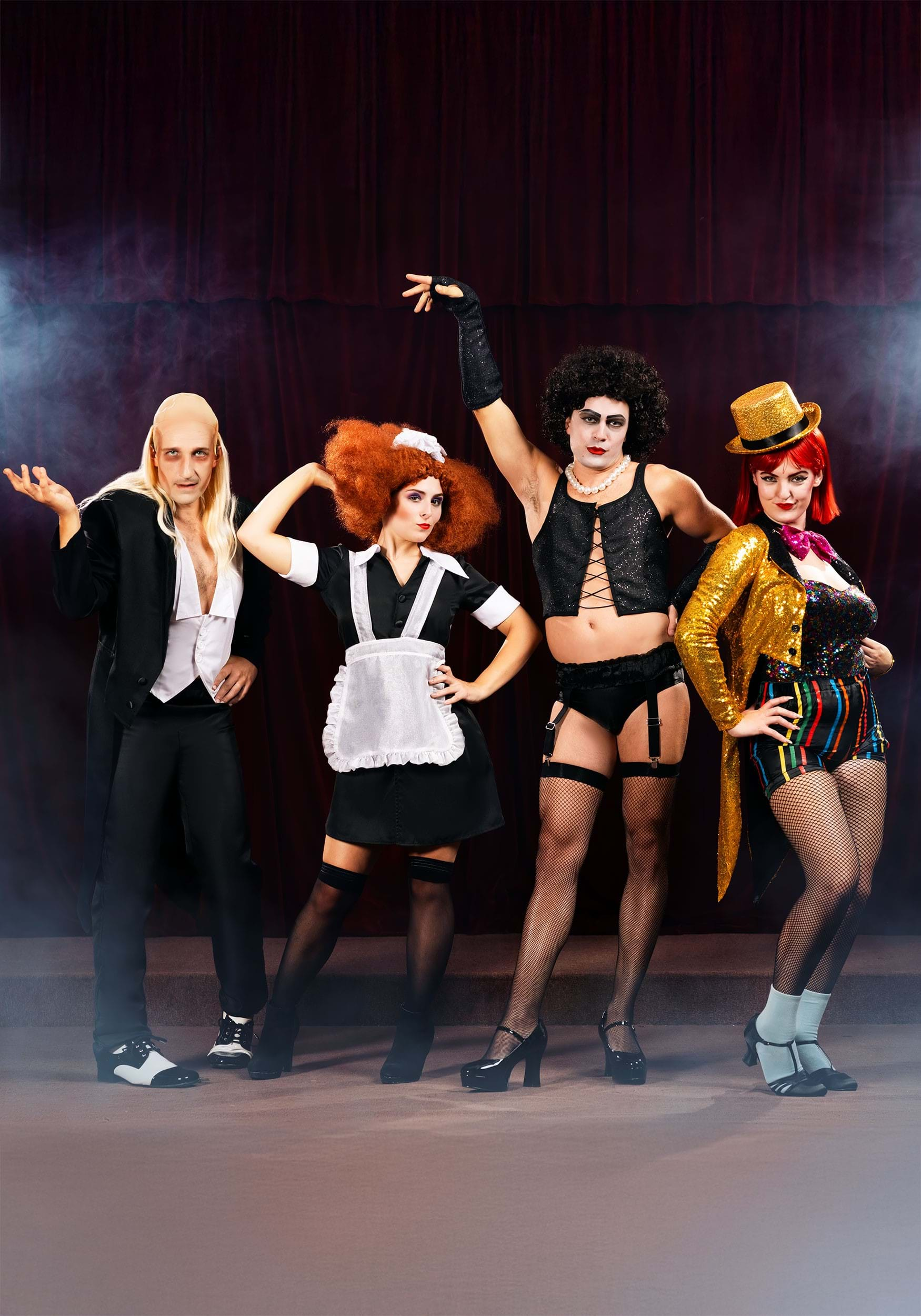
Here, the black sequined bustier isn't an undergarment; it is the costume. It's a deliberate, performative choice that expresses the character's transgressive and flamboyant nature. This is a purely stylized approach where the lingerie serves as a vehicle for character, theme, and theatricality, completely detached from realism.
2. Gothic & Supernatural Horror: Dark Romance and Allure
Gothic horror often uses lingerie to evoke a sense of dark romanticism, mystery, and predatory allure. These films draw on historical silhouettes and delicate, often ethereal materials.
To see examples of this and other stylized looks, we'll consult an article that views horror films as a source of lingerie inspiration.
Horror movies are high-key the best lingerie inspo
The article 'Horror movies are high-key the best lingerie inspo' from Galore Mag provides a great overview of stylized lingerie in horror. It highlights several key films and aesthetics.
Please read the introduction and the sections on 'Dracula (1992),' 'From Beyond (1986),' and 'The Love Witch (2016).' As you read, notice the specific language used to describe the aesthetics: 'vampire thot queen,' 'chiffon negligées,' 'dominatrix-inspired,' 'O-ring choker and lace-up bustier,' and 'hot pink bra set and ostrich feather-trim robe.'
The examples in the article clearly illustrate the stylized approach:
- Dracula (1992): The "chiffon negligées" of Dracula's brides are not for practical sleepwear. They are ethereal, semi-transparent costumes that signify their supernatural, seductive, and dangerous nature.
- From Beyond (1986): The "dominatrix-inspired" leather bustier and choker are direct references to fetish wear. This choice immediately codes the character with themes of power, sexuality, and transgression, fitting for a film about tapping into a dangerous parallel universe.
- The Love Witch (2016): This film is a masterclass in stylized costuming. The numerous vintage-inspired lingerie sets, like the "hot pink bra set," are meticulously designed to create a hyper-feminine, technicolor world that is both beautiful and deeply unsettling.
3. Art-House & Psychological Horror: High-Fashion as Horror
In some horror films, the line between costume design and high-fashion blurs completely. The aesthetic becomes so polished and central that the visuals are as much a part of the horror as the plot.
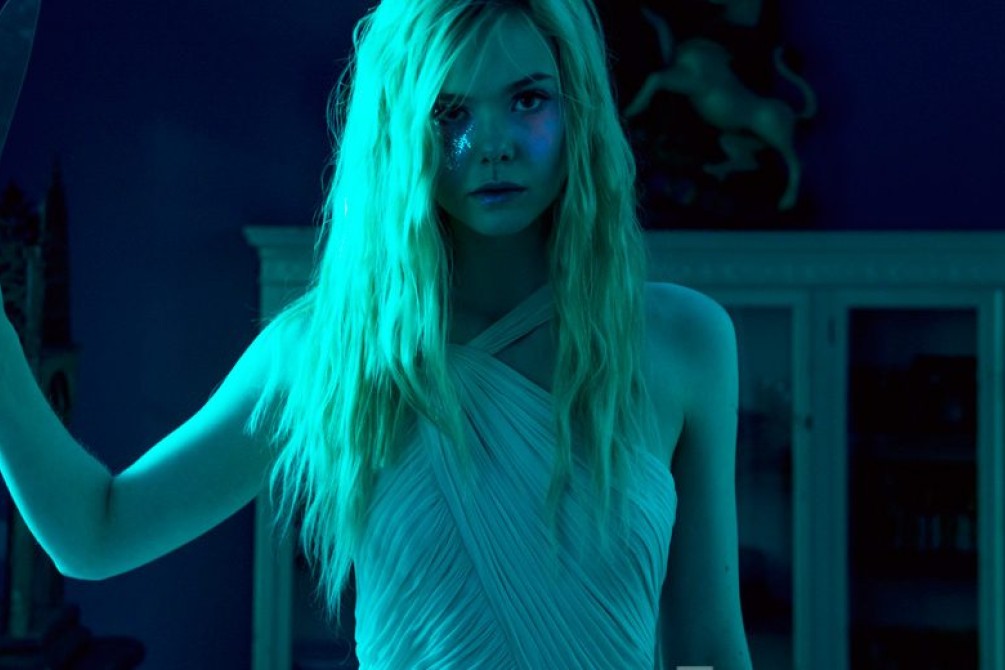
In Nicolas Winding Refn's The Neon Demon (2016), the world of fashion modeling is the setting for the horror. The clothing, including bra-like tops and sculptural garments, is not meant to be realistic. It is part of a cold, beautiful, and violent visual language. Here, the stylized garments reflect the film's themes of superficiality, competition, and the monstrous nature of the pursuit of beauty.
Case Study: Blurring the Lines in Jennifer's Body (2009)
Sometimes, a film can cleverly blend the everyday with the stylized. Jennifer's Body uses fashion that appears to be "everyday" for its mid-2000s setting, but the intent behind it is highly stylized.
Let's watch a video that analyzes the film's costume design.
the criminally underrated costume design of Jennifer's Body
The YouTube video 'the criminally underrated costume design of Jennifer's Body' by art at midnight explains how Jennifer's seemingly normal teen fashion is used as a weapon.
Please watch from 01:24 to 01:49, from 03:31 to 04:12, and from 07:02 to 07:51. Pay close attention to how the analysis describes Jennifer's clothing choices (low-cut tops, layers) as a way to 'weaponize herself' and how the use of 'feminine pinks' creates 'deceitful innocence'.
The analysis in the video reveals a fascinating nuance. Jennifer's low-cut tops and push-up bras are typical of the era. On another character, they might be considered "everyday." But on Jennifer, a demon who feeds on boys, they become a stylized costume.
- Weaponized Everyday Wear: Her belief that her chest is a "weapon" transforms her bra and top from a simple garment into a tool for luring prey. This conscious, predatory use makes it stylized.
- Symbolic Color: Her adherence to pinks and feminine colors after committing murder is a deliberate aesthetic choice that contrasts with traditional horror villain palettes. It stylizes her character by creating a disturbing juxtaposition between her appearance and her actions.
This shows that the line between everyday and stylized isn't just about what the garment is, but also about how and why it's worn by the character within the film's narrative.
Conclusion
In this lesson, we have analyzed the significant contrast between everyday and stylized bra appearances in horror films, linking these choices to the conventions of different sub-genres.
Key Takeaways:
- Everyday Looks: Characterized by practical, realistic bras (t-shirt, sports bras) often revealed incidentally. They ground the story in reality and are hallmarks of the modern "Final Girl" in slasher and survival horror. Their purpose is to enhance audience identification and the sense of peril.
- Stylized Looks: Feature theatrical, symbolic, or high-fashion lingerie (bustiers, corsets, fetish wear, sculptural pieces). They are deliberately showcased to build atmosphere, express character, and create visual spectacle. These are common in gothic, cult, art-house, and fetish-related horror sub-genres.
- Context is Key: The classification of a look can depend on its narrative function. As seen in Jennifer's Body, seemingly everyday clothing can become stylized when it's used as a conscious tool or weapon by a character.
Understanding this dichotomy allows for a more nuanced appreciation of costume design's role in the horror genre. The choice is never arbitrary; it is a fundamental part of building the film's world and telling its story.
Next Lesson
This concludes our module on Horror & Thriller Films. We've journeyed from the 'final girl' trope and gothic aesthetics to the narrative of distressed garments. Now, prepare for a complete shift in tone. In our next lesson, we will begin the module Bras in Comedy & Coming-of-Age Films. Our first topic will be describing the 'first bra' trope and its styling in coming-of-age films, exploring how this simple garment is used to signify growth, awkwardness, and a pivotal rite of passage.