Introduction
Welcome back! In our last lesson, you mastered the critical skill of setting SMART goals, ensuring your content strategy is directly tied to measurable business outcomes like pipeline and revenue. You now have a clear method for defining what success looks like.
In this lesson, we will translate that strategic intent into a concrete, tactical schedule. The learning outcome is to draft a one-month content plan for a single content pillar as a working prototype. This is where your strategy hits the ground running. You'll take one of your core content pillars and map out the entire process—from research and creation to publication and promotion—over a 30-day period.
This plan will serve as a reusable blueprint for your content engine, giving you a systematic, repeatable process for turning ideas into assets that generate results.
1. From Pillar to Plan: The Content Cluster Model
A content pillar isn't just one giant article; it's an entire ecosystem of related content. The most effective way to execute this is through the topic cluster model. This model consists of:
- A Pillar Page: A comprehensive, long-form piece of content covering a broad topic (e.g., "A Guide to B2B Account-Based Marketing").
- Cluster Content: A series of shorter, more specific articles that delve into subtopics related to the pillar (e.g., "How to Identify Target Accounts," "Personalizing Content for ABM," "Measuring ABM Success"). These pieces all link back to the main pillar page.
- Internal Links: The connective tissue that signals to search engines (and users) that you have deep authority on the topic.
This structure is the foundation of a modern, SEO-driven content strategy. It organizes your content logically, provides immense value to the reader, and builds topical authority.
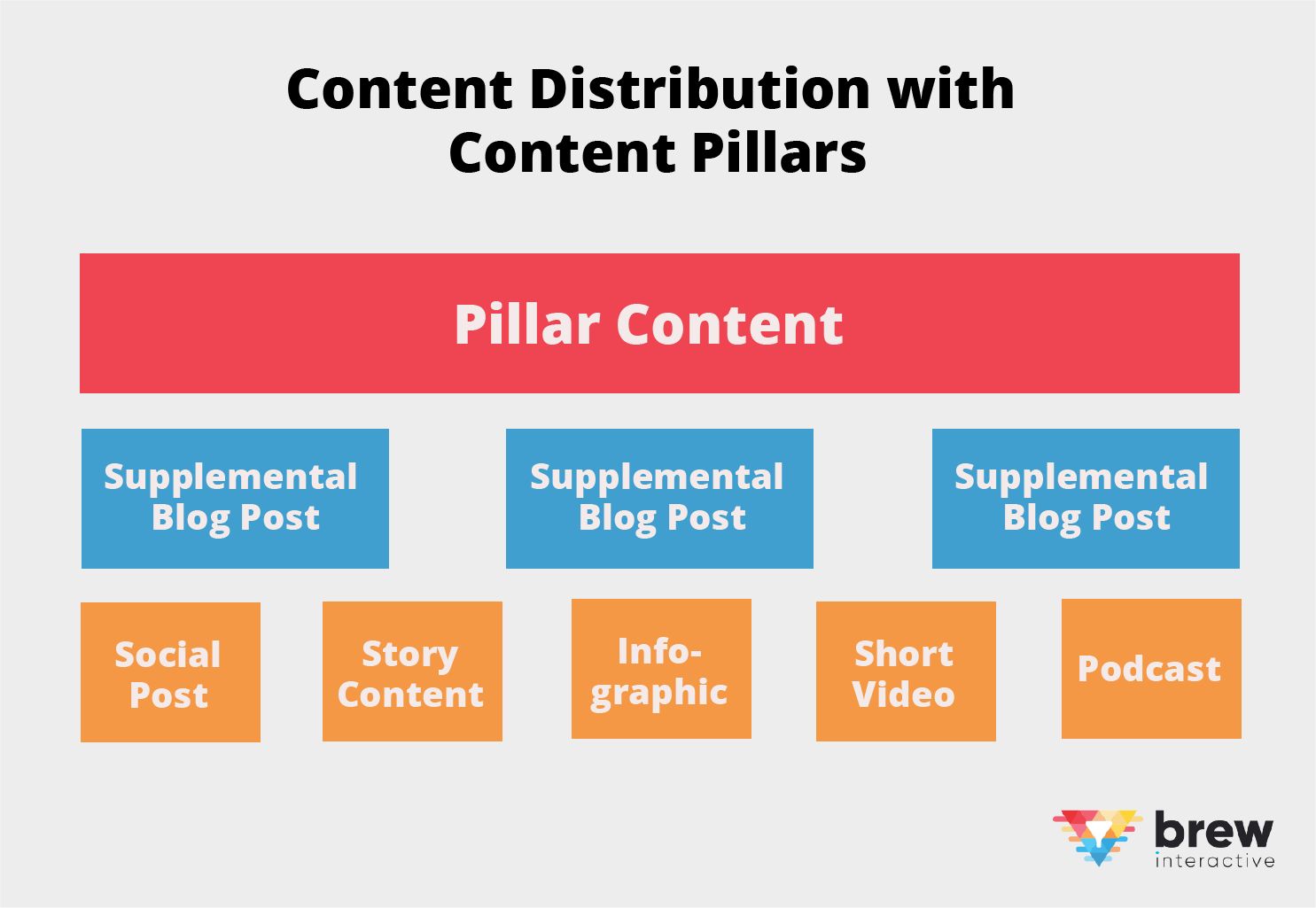
To build out a full content cluster, we'll use a structured, 30-day plan. This breaks the process into manageable, week-by-week sprints.
2. A 30-Day Framework for Building a Content Cluster
Creating a full content cluster can feel daunting. By breaking it into a four-week plan, you create a clear roadmap from idea to impact. We'll use a framework that covers research, creation, and promotion.
The article "Building Your First Content Cluster: A 30-Day Plan for B2B SaaS" provides an excellent, detailed roadmap for this process. Let's walk through its four-week structure.
Building Your First Content Cluster: A 30-Day Plan for B2B SaaS
To understand the entire 30-day process, please read 'Building Your First Content Cluster: A 30-Day Plan for B2B SaaS' by Averi.ai. This will be the foundational framework for the prototype plan you will build.
Read the entire section titled 'The 30-Day Implementation Plan,' which is broken down into four weeks. As you read, think about how you could apply these steps to one of your own content pillars.
Here's a summary of the key phases from that plan:
Week 1: Research and Architecture
This is the planning phase. Before you write a single word, you must validate your topic and design the cluster's structure. You've already done some high-level work on this in previous lessons. This week is about formalizing the details for one specific cluster. The key tasks include:
- Topic Validation: Confirming the pillar topic aligns with sales needs and has search demand.
- Gap Analysis: Auditing your existing content and analyzing what top competitors are doing.
- Cluster Architecture: Finalizing the list of pillar and cluster topics, assigning content formats, mapping internal links, and—most importantly—creating detailed content briefs for each piece. Given your background, you can think of a content brief as the technical specification for a piece of content.
Week 2: Pillar Page Creation
With your blueprints (the content briefs) in hand, you focus on building the central asset: the pillar page. This week is dedicated to:
- Outlining: Structuring the pillar page to cover the topic comprehensively and create natural linking opportunities for your cluster content.
- Drafting: Writing the content with a focus on delivering value, ensuring it's easy to scan, and including clear CTAs to guide the reader to the next step (e.g., downloading a resource, requesting a demo).
- Polishing: Refining the draft, optimizing for SEO, adding visuals, and getting it reviewed by an internal expert.
Week 3: Cluster Content Production
This is a high-output "sprint" week where you create the supporting cluster content. The focus is on efficiency and consistency.
- Writing Sprint: Dedicate time each day to writing one or two cluster articles, following the briefs created in Week 1.
- Quality Checklist: Ensure each piece meets key criteria, such as linking back to the pillar, targeting a specific keyword, and including a relevant CTA.
- Batching: Improve speed by batching similar tasks, like writing all "how-to" articles or all "comparison" articles at once.
Week 4: Publication and Activation
Creating the content is only half the battle. This final week is about launching your content cluster and maximizing its reach. This involves two key activities: strategic publication and content atomization.
Strategic Publication:
As the Averi.ai article suggests, you don't just dump all the content online at once. A strategic sequence works best:
- Publish the pillar page first.
- Publish the cluster content over the next few days.
- Update all internal links to ensure the cluster is fully connected.
Content Atomization (Activation):
This is the core of building a content engine. You take your core assets (the pillar and cluster pages) and break them down into smaller "atomic" pieces for distribution across multiple channels. This maximizes the ROI on your initial creation effort.
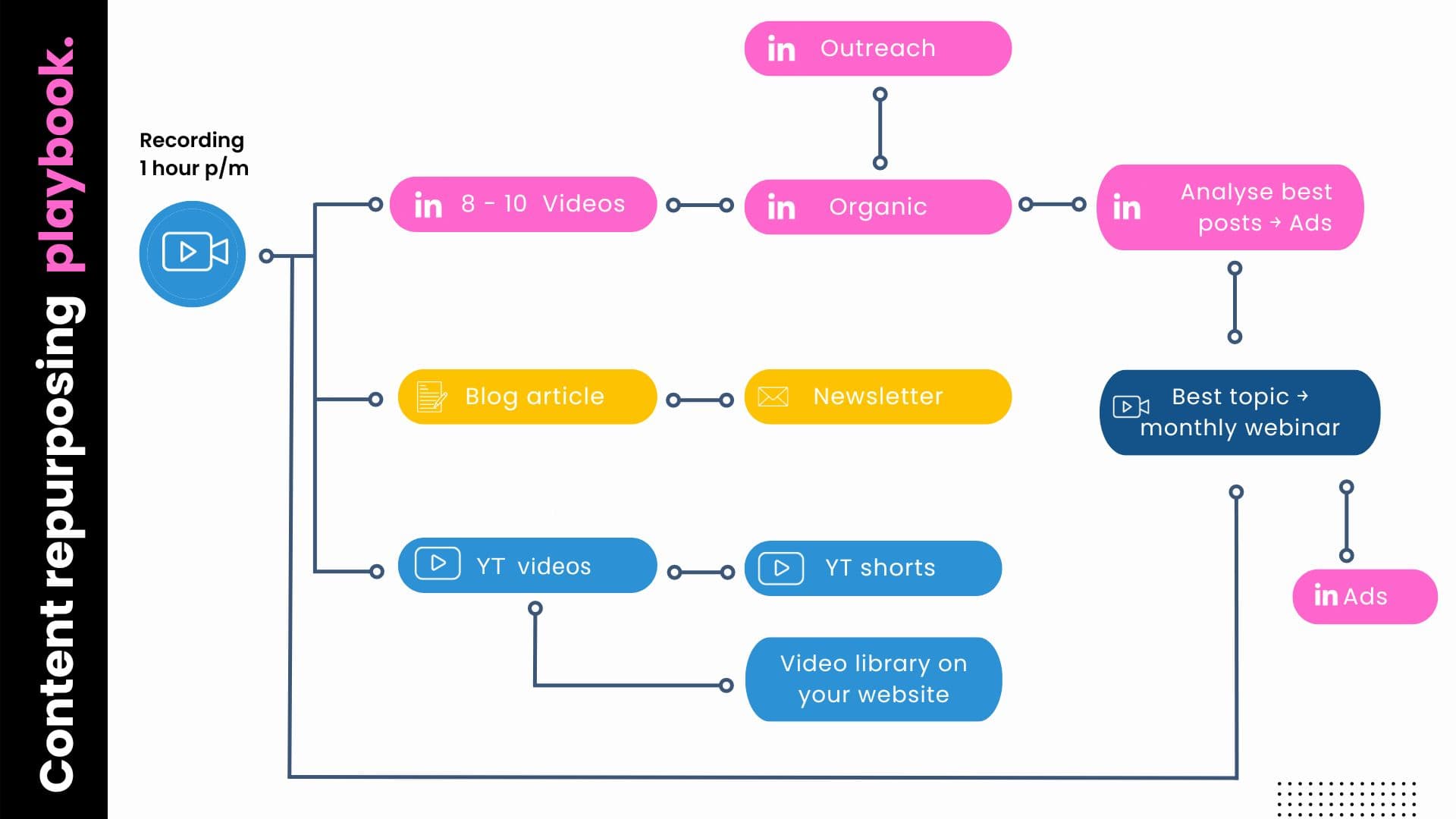
To dive deeper into this concept, let's explore a playbook specifically for atomization.
The Content Atomization Playbook: Turn One Pillar Page ... - JVG Labs
The article 'The Content Atomization Playbook' from JVG Labs provides a fantastic set of tactics for repurposing your pillar content. We will integrate these ideas into our Week 4 activation plan.
Read the main section, 'The 4-Week Atomization Playbook: A Step-by-Step Guide.' While it's presented as its own 4-week plan, focus on the specific tactics described each week (e.g., creating graphics, videos, polls, carousels) as activities you can schedule into the 'Activation' phase of your content plan.
By combining these frameworks, your Week 4 plan becomes a powerful launch sequence: publish the core content, then systematically promote it for the rest of the month by repurposing it into social posts, graphics, videos, email content, and sales resources.
3. Your Turn: Draft a Prototype Content Plan
Now it's time to build your own one-month plan. This exercise will serve as the prototype for your content engine.
Task (Allow ~25 minutes):
- Choose one Content Pillar you developed in a previous lesson.
- Recall or refine the SMART goal associated with this pillar.
- Fill out the template below to create a high-level, one-month content plan. Don't worry about minute details; focus on outlining the key deliverables and activities for each week.
One-Month Content Plan Prototype
Content Pillar: (e.g., B2B Social Media Marketing)
SMART Goal: (e.g., Generate 75 MQLs in the next quarter by creating a content cluster around B2B social media marketing, with the pillar page converting at 3%.)
Week 1: Research & Architecture
- Pillar Page Topic & Primary Keyword:
Your Answer:
- List 3-5 Cluster Content Topics & Their Keywords:
Your Answer (use bullet points):
- Key Deliverable for the Week:
Your Answer (e.g., Content briefs for the pillar and all 5 cluster articles):
Week 2: Pillar Page Creation
- List 3-4 Key Sections for the Pillar Page Outline:
Your Answer (use bullet points):
- Primary CTA for the Pillar Page:
Your Answer (e.g., "Download our B2B Social Media Strategy Template"):
- Key Deliverable for the Week:
Your Answer (e.g., First draft of the pillar page ready for review):
Week 3: Cluster Content Production
- List of Cluster Content Pieces to Create (from Week 1):
Your Answer (copy from Week 1):
- Key Deliverable for the Week:
Your Answer (e.g., First drafts of all cluster content pieces):
Week 4: Publication & Activation
- Publication Schedule:
Your Answer (e.g., Mon: Publish pillar page. Tue/Wed: Publish cluster articles. Thu: Check all internal links.):
- List 3 Key Activation Tactics (from the atomization playbook):
Your Answer (e.g., 1. LinkedIn carousel summarizing the pillar's 'how-to' section. 2. A newsletter summarizing the 3 key takeaways. 3. Create a one-page PDF summary for the sales team.):
- Key Deliverable for the Week:
Your Answer (e.g., A simple promotional calendar for the month, scheduling the 3 activation tactics.):
Conclusion
Congratulations! You have just created a strategic, actionable, and repeatable plan for executing a content pillar. This prototype is the heart of a systematic content engine. You've moved beyond just creating content to planning its entire lifecycle for maximum business impact.
Key Takeaways:
- A one-month plan breaks the creation of a content cluster into manageable weekly sprints: Research, Pillar Creation, Cluster Production, and Publication/Activation.
- Content briefs are the architectural blueprints that ensure every piece of content is created with purpose and strategy.
- Content atomization is the force multiplier for your efforts, turning one pillar into a month's worth of promotional assets that engage audiences across different channels.
- This structured process is your key to moving from reactive content requests to proactively building a library of assets that drive leads and revenue.
Preview of the Next Module:
Your plan calls for creating specific types of content, like lead magnets and sales enablement assets. In our next module, "Building the Full-Funnel Content Playbook," we will get hands-on with creating these crucial pieces. We'll start at the top of the funnel by learning how to design and create a TOFU lead magnet (e.g., a checklist or template) to effectively convert your anonymous visitors into qualified leads.