Introduction
Welcome to our final lesson in this module on building your digital resilience. Over the last few sessions, we have moved from abstract threats to a concrete, personalized framework. You first conducted a threat assessment to identify and prioritize the risks most relevant to your public presence, and then you mapped specific defensive strategies to each of those high-priority threats.
Today, we will synthesize all of that work. Our goal is to consolidate your threat assessment, defensive strategies, and crisis protocols into a unified personal digital safeguarding plan. This is the capstone of our defensive work. You will create a single, comprehensive document that serves not as a static list of rules, but as an actionable, living framework for navigating your online world safely and confidently. This process is much like developing a complete risk management and contingency plan for a complex system—a structured preparation for a dynamic environment, which should resonate with your background in operations research.
By the end of this lesson, you will have a complete, personalized safeguarding plan ready to be deployed.
The Architecture of a Digital Safeguarding Plan
A robust digital safeguarding plan is more than a collection of tips; it's a structured system with four interconnected components. Think of it as a portfolio containing your intelligence, your strategies, your emergency procedures, and your support network.
- The Threat & Defense Matrix: This is the core document that summarizes your risk landscape. It builds directly on the work from our last two lessons, linking your prioritized threats to specific proactive and reactive defenses.
- Crisis Checklists: These are "in-case-of-emergency-break-glass" protocols. For your highest-impact threats (like doxing or a mob attack), you need a step-by-step checklist to guide your actions in the critical first hours, when clear thinking is most difficult.
- Your Support Network: A documented list of trusted individuals—friends, family, or peers—who you can call upon for specific roles during a crisis. Digital safety is a team sport.
- The Review Schedule: A commitment to periodically review and update your plan. The digital world evolves, and so must your defenses. This plan is a living document, not a one-time exercise.
Let's build each of these components.
Component 1: The Consolidated Threat & Defense Matrix
This matrix is the strategic heart of your plan. It starts with the risk assessment you've already completed, which visually organizes threats by their likelihood and severity.
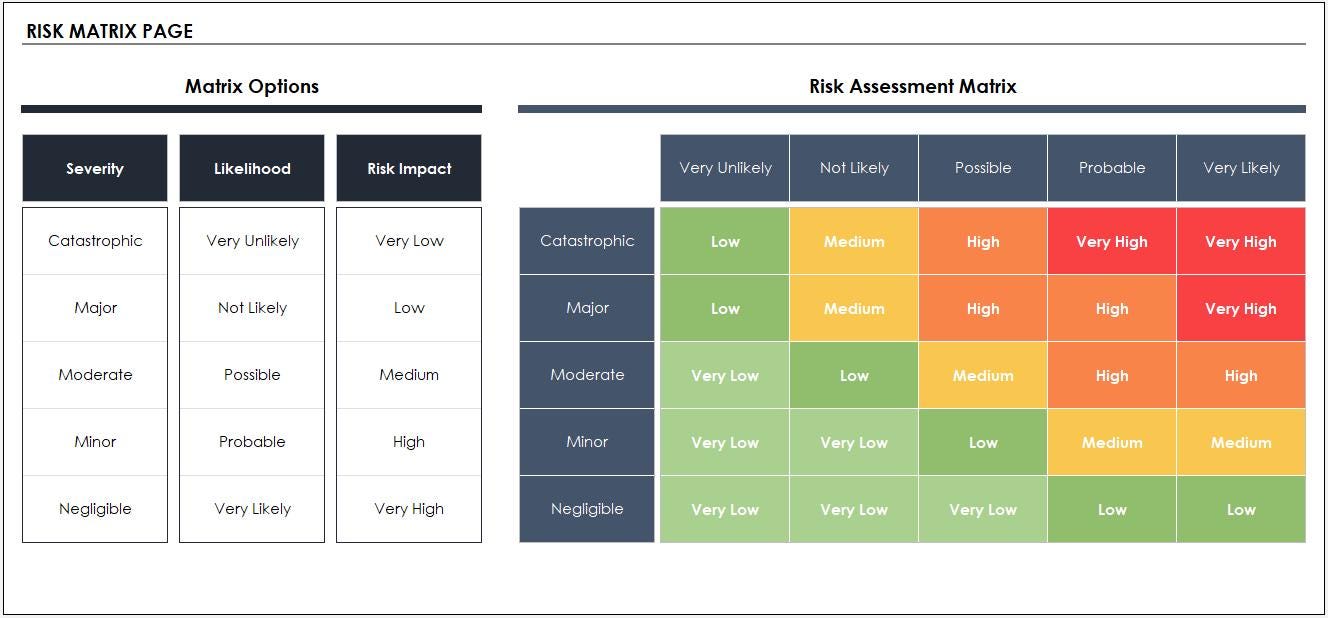
Now, we expand on that assessment. Your task is to formalize the exercise from our last lesson into a comprehensive table. For each high-priority threat, you will list its risk level and the specific proactive and reactive measures you have chosen.
Here is a template you can use, filled with an example relevant to your work:
| Threat | Impact & Likelihood | Risk Level | Proactive Defenses (Prevention) | Reactive Protocols (Response) |
|---|---|---|---|---|
| Character Assassination via Timeless Betrayal (e.g., weaponizing old lingerie photoshoot pictures out of context) | Impact: High Likelihood: Moderate |
High | 1. Watermarking: Add a small, non-intrusive watermark with your brand and the year to new photos. 2. Narrative Framing: When posting, proactively frame the content within your brand's ethos (e.g., "Celebrating body positivity & design from my 2022 collection"). 3. Community Building: Foster a strong, loyal community that understands your values and is less susceptible to bad-faith attacks. |
1. Assess, Don't React: Determine if the attack is gaining traction. Is it a lone troll or a coordinated campaign? 2. Strategic Silence or Statement: Do not engage with individual attackers. If necessary, issue a single public statement reaffirming your brand's values without giving the attack oxygen. 3. Leverage Support Network: Have your designated "Documenter" screenshot the attacks while you disengage. |
This matrix serves as your at-a-glance reference for your entire defensive posture.
Component 2: From Protocols to "Break-Glass" Checklists
Reactive protocols in your matrix tell you what to do. A crisis checklist tells you how and in what order. During a high-stress event like a doxing or a mob attack, your capacity for strategic thinking diminishes. A pre-written checklist allows you to act decisively and effectively.
The Equality Labs Anti-Doxing Guide offers an excellent mental framework for this type of planning, known as threat modeling. It encourages you to ground your fears in reality and prioritize your actions based on what is most likely and most impactful.
[PDF] EQUALITY LABS ANTI-DOXING GUIDE FOR ACTIVISTS 3.0
This section from the comprehensive Equality Labs guide introduces the strategic mindset behind creating a security plan. It will help you think like a security practitioner as you build your crisis checklists.
To understand this mindset, please read the initial explanation of threat modeling. Then, review the list of factors to consider. This will help you structure your checklists logically.
Using this mindset, let's create templates for two critical scenarios.
Checklist A: Doxing Attack in Progress
Goal: Protect physical safety, contain the information spread, and document for reporting.
- Immediately:
- [ ] Take a deep breath. Do not engage attackers. Do not post anything publicly in panic.
- [ ] Activate your Support Network. Send a pre-written message to your "Documenter" and "Emotional Support" contacts.
- Containment (First 30 minutes):
- [ ] Lock down accounts. Set Instagram/Twitter to private. Use the "Limit Interactions" feature we discussed in Module 7.
- [ ] Document everything. Your "Documenter" or you should take screenshots of where the information is posted, including the post, profile, and URL.
- Takedown (First 2-3 hours):
- [ ] Report to platforms. Use the platform's harassment/private information reporting tools for every post containing your data.
- [ ] Request removal from search engines (e.g., Google's "Remove personally identifiable information" tool).
- Physical Safety Assessment:
- [ ] Assess the threat level. Are there threats of physical violence? Has your home address been shared?
- [ ] If you feel you are in danger, leave your home for a safe location (friend's house) and contact local law enforcement. Provide them with your documented evidence.
- [ ] If the threat includes "swatting," follow the protocol from the Equality Labs guide to proactively contact your local police department's non-emergency line.
Checklist B: Digital Mob / Character Assassination Campaign
Goal: Protect reputation, control the narrative (if possible), and safeguard emotional well-being.
- Immediately:
- [ ] Step away from the screen. Do not read the comments.
- [ ] Activate your Support Network. Ask your "Documenter" to monitor the situation's scale and sentiment, and ask your "Communicator" to stand by.
- Triage (First hour):
- [ ] Get a report from your "Documenter." Is this a small but loud group, or a large, viral attack? Is the criticism legitimate (even if harsh) or entirely bad-faith?
- [ ] Use platform tools. Filter keywords, block aggressive accounts, and use the "Limit Interactions" feature.
- Communication Strategy (First 24 hours):
- [ ] Decide: engage, ignore, or issue a statement. The default should be to ignore bad-faith mobs.
- [ ] If a statement is needed, draft it offline with a trusted friend. Keep it calm, concise, and value-aligned. Post it and do not engage further in the comments.
- [ ] Have your "Communicator" post the statement if you are not in a state to do so.
- Self-Care:
- [ ] Stay offline as much as possible.
- [ ] Engage in a non-digital activity.
- [ ] Talk to your "Emotional Support" contact.
Component 3: Activating Your Support Network
No plan is complete without people to help you execute it. As the research shows, and as many creators will attest, feeling isolated during an attack is one of the most damaging aspects. Building a support system is a proactive defense.
The Equality Labs guide provides an excellent, actionable framework for this.
[PDF] EQUALITY LABS ANTI-DOXING GUIDE FOR ACTIVISTS 3.0
This part of the guide moves beyond abstract advice and outlines specific, practical ways your community can support you during an online attack.
Please read the section "Seek Support From Your Communities." Focus on the list under "Some Examples of Support," as these define the exact roles you can ask your friends to play.
This experience is nearly universal among content creators. The academic paper we've referenced before confirms that peer support is not just helpful, but essential.
[PDF] Understanding the Digital-Safety Needs and Practices of Creators
This research paper provides academic validation for the importance of a support network, based on interviews with 23 creators.
Read the section "External support for serious issues" and focus on the subsection titled "Advice from other creators was valuable for those with connections." Note the powerful quote from creator C7 about being an "army of one," which highlights the feeling of isolation. Also, note the study's conclusion that many creators struggle to find this community, reinforcing the importance of proactively building one.
Your support network list should contain:
- Primary Contact / The Documenter: (Name, contact info)
- The Communicator: (Name, contact info)
- Emotional Support (2-3 people): (Names, contact info)
- Professional Resources: (Lawyer, security consultant, etc., if applicable)
Component 4: The Review Schedule
Your final component is a process for keeping the plan alive. You must periodically review and update it. Just as a statistical model degrades over time and requires retraining, your safety plan will become outdated as platforms change their tools, attackers develop new methods, and your own online presence evolves.
Integrate this into your calendar. A good starting point is a quarterly review.
Your review checklist should include:
- [ ] Threat Re-assessment: Are my high-priority threats still the same? Has my increased visibility created new ones?
- [ ] Strategy Efficacy: Have I experienced any minor incidents? How did my defenses hold up?
- [ ] Tool Audit: Have my primary platforms (Instagram, Twitter) updated their safety tools? Do I know how to use the new features?
- [ ] Link & Contact Check: Are all links to reporting tools still valid? Is my support network's contact information up to date?
Exercise: Assemble Your Personal Digital Safeguarding Plan
It's time to consolidate everything. Create a single document (digital or physical) with the following four sections. Be as specific and detailed as possible.
Section 1: Threat & Defense Matrix
- Use the table format from above to list your top 5 high-priority threats and their corresponding proactive and reactive strategies.
Section 2: Crisis Checklists
- Write out detailed, step-by-step checklists for at least two high-impact scenarios relevant to you (e.g., Doxing, Digital Mob Attack, Account Takeover).
Section 3: My Support Network
- List the names and roles of the people in your support network. Inform them of these roles so they are prepared to help if needed.
Section 4: My Review Schedule
- Set a recurring date in your calendar for your first quarterly review.
- Copy the review checklist into the calendar event description.
This document is your complete digital safeguarding plan. Keep it somewhere accessible but secure.
Conclusion
In this lesson, you have assembled the cornerstone of your digital resilience. By consolidating your threat assessment, defensive strategies, crisis protocols, and support network into a unified plan, you have transformed your knowledge into a powerful, practical tool.
Key Takeaways:
- A complete safeguarding plan is a structured document with four key parts: a Threat & Defense Matrix, Crisis Checklists, a Support Network list, and a Review Schedule.
- Crisis checklists are essential for effective action during high-stress situations.
- Digital safety is not a solo endeavor; a pre-defined support network is a critical asset.
- Your plan must be a living document, reviewed and updated periodically to remain effective.
You have now built your fortress and planned for sieges. This concludes the primary defensive arc of our course. In our next lesson, we will shift our focus. With your defenses in place, we will explore how to select and commit to a set of ethical social dynamics techniques to foster authentic engagement and trust, moving from a position of security to one of empowered, positive growth.