Introduction
In our last lesson, we developed a framework for assessing the external environment, learning how to monitor online communities for signs of ethical norm drift. You are now equipped to analyze the health of the digital spaces you inhabit. Today, we turn that analytical lens inward. The goal of this lesson is to guide you through a personal threat assessment to prioritize the manipulation tactics most relevant to your public presence.
This process is about moving from a general awareness of digital dangers to a structured, personalized understanding of your unique risk profile. Drawing from your background in operations research and decision theory, you can think of this as a risk analysis model. We will identify potential threats, and then assess the probability and potential impact of each one, allowing you to allocate your defensive resources strategically. By the end of this lesson, you will have a clear, prioritized list of the threats that matter most to you, setting the stage for building a targeted defense plan.
What is Threat Modeling?
In the world of digital security, a threat model is a structured way to think about what can go wrong. It's a process for identifying potential threats and vulnerabilities, and then making rational decisions about which ones to focus on. Instead of feeling a vague sense of anxiety about "online dangers," threat modeling helps you answer three core questions:
- What am I trying to protect? (Your assets)
- Who might attack me? (Your adversaries)
- How likely and how severe are the potential attacks? (Your risks)
A comprehensive guide from Equality Labs provides an excellent overview of this process, framing it as a way to ground your fears in reality and prioritize your actions.
[PDF] EQUALITY LABS ANTI-DOXING GUIDE FOR ACTIVISTS 3.0
This guide, designed for activists, offers a robust and practical framework for security planning that is highly relevant for anyone with a visible public profile in a contentious space. It breaks down threat modeling into a series of manageable questions.
Please read the introductory section, "Security Planning and Threat Models" (pages 9-10), focusing on the definition of a threat model from the initial description to the end of the paragraph. Then, carefully review the "Factors to Consider When Threat Modeling" on pages 10-13. Pay attention to the prompts, such as identifying vulnerable information, considering who your adversaries might be, and, crucially, assessing the difference between possibility and probability.
As you've just read, threat modeling is not about eliminating all risk—an unrealistic goal. It's about managing it intelligently. Let's apply this framework directly to your situation.
Step 1: Identifying Your Assets and Adversaries
Before you can assess threats, you must be clear about what you're protecting and from whom.
Your Assets: These are the things of value that an attack could damage.
- Physical Safety: Your personal security and that of your loved ones.
- Privacy: Your home address, phone number, legal name, family details.
- Reputation: Your standing as a relationship analyst, a lingerie designer, and a respected voice in your communities.
- Livelihood: Your income streams, whether from your content creation or other work.
- Emotional Well-being: Your mental health and peace of mind.
- Community Relationships: The trust and rapport you've built within your online groups.
Your Adversaries: These are the individuals or groups who might deploy manipulative tactics against you. Their motivations will shape the types of threats you face.
- Casual Trolls: Motivated by misogyny, anti-sex-work sentiment, or boredom. Their goal is typically low-effort emotional disruption.
- Obsessive Fans/Stalkers: Driven by a sense of entitlement or a parasocial relationship. Their actions can escalate from boundary-pushing to stalking. The study on OnlyFans creators we'll look at shortly highlights this as a significant risk for creators of intimate content.
- Moral Police/Gatekeepers: Individuals within your own or adjacent communities who feel your content or lifestyle violates their norms. Their goal is to enforce conformity through tactics like moral policing and character assassination.
- In-Group Rivals: Other creators or community members motivated by jealousy or competition. They might use triangulation or spread rumors to damage your reputation.
- Targeted Harassment Campaigns: Coordinated groups that may target you based on your visible presence in alternative lifestyle or sex-positive spaces.
Step 2: Assessing Threat Likelihood and Impact
This is where your analytical skills come into play. For each potential threat, you need to evaluate two dimensions: its likelihood (probability of occurring) and its impact (severity of consequences if it does occur).
A risk assessment matrix is the classic tool for visualizing this relationship.
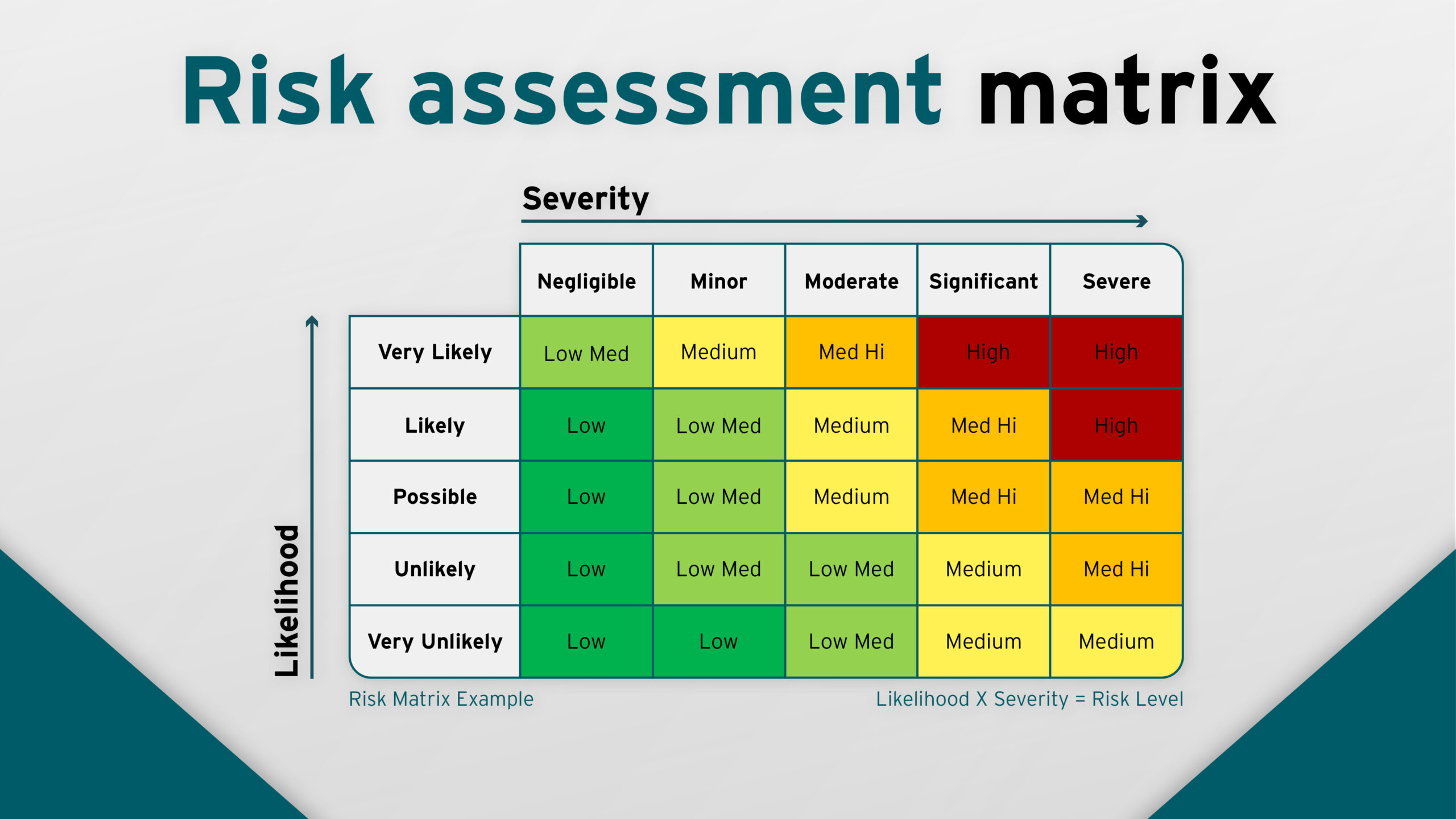
By plotting threats on this matrix, you can instantly see which ones fall into the red "High" risk zone—those that are both likely and severe, or even just extremely severe—and therefore demand the most attention.
Let's analyze a few threats relevant to your profile. The research paper on OnlyFans creators provides stark, real-world examples of the threats faced by those who create provocative or sexual content online.
[PDF] Understanding the Digital Threats and Safety Practices of OnlyFans ...
This research paper offers a deep dive into the specific risks faced by creators of sexual content, which provides a powerful parallel for your own situation. It details the types of attacks, their impact, and the proactive defenses creators employ.
To understand the threats and their consequences, please review the following sections: First, read about the different forms of "Toxic Content" creators face, such as harassment and boundary pushing. Next, focus on the section "Content Leakage," especially the discussion on the harms it causes, including outing and professional retribution. Finally, look at the defenses creators use. Pay attention to the proactive measures discussed under "Keeping online identities separate" and "Limiting identifying information," such as using aliases and VPNs. This gives a sense of the effort required to mitigate high-impact threats.
Now, let's place some of these threats onto our risk matrix:
-
Threat: Negging (e.g., backhanded compliments on your lingerie designs in the comments).
- Likelihood: Very Likely. This is a common, low-level harassment tactic.
- Impact: Minor. It's emotionally irritating but causes little lasting damage to your assets.
- Risk Level: Low-Medium. This is something to manage, but not a top priority for complex defenses.
-
Threat: Content Leakage (e.g., someone pays for your exclusive content and distributes it for free).
- Likelihood: Possible. As the study shows, many creators view this as an inevitable part of the job.
- Impact: Significant. This can lead to financial loss, privacy violation, and reputational harm if the content is used for catfishing or outing.
- Risk Level: Medium-High. This warrants proactive defensive measures like watermarking.
-
Threat: Doxing (e.g., your home address is posted online in retaliation for a post about polyamory).
- Likelihood: Unlikely. While a serious concern, it requires a motivated adversary and a failure in your operational security. It's less common than trolling.
- Impact: Severe. This poses a direct threat to your physical safety and emotional well-being.
- Risk Level: Medium-High. The sheer severity of the impact means this threat must be taken seriously, even if the probability is low.
The Jason Hanson video on doxxing provides a concise, real-world account of how severe the impact of a doxxing attack can be.
Former CIA Officer Explains How to Protect Yourself from Doxxing
In this video, a former CIA officer breaks down a real doxxing case, illustrating the rapid escalation from online argument to real-world terror.
Watch the first few minutes to get a visceral sense of the impact. The initial email from the victim details the escalating harassment. The explanation of how data brokers facilitate doxxing. The immediate actions the victim took, such as deleting accounts and relocating.
As you can see, a threat's priority isn't just about how often it happens, but how devastating it is when it does.
Exercise: Your Personal Threat Assessment
Now it is your turn to construct your own threat model. This exercise will synthesize everything we have discussed and form the foundation of your personal resilience plan.
Part 1: Adversary and Asset Inventory
- Adversaries: From the list of adversary types we discussed (or others you can think of), identify the top two you believe are most relevant to you. For each, briefly describe their likely motivation.
- Assets: From the list of assets, identify the top three that you are most concerned with protecting.
Part 2: Risk Prioritization Matrix
Using the concepts we've explored, fill out the table below for five manipulation tactics from our course that you feel are most pertinent to your online presence. I have suggested a few to start, but feel free to substitute them with others you find more relevant.
| Threat Tactic | Likelihood | Impact | Risk Level (Low/Med/High) | Rationale for Your Assessment |
|---|---|---|---|---|
| Character Assassination | (Very Unlikely -> Very Likely) | (Negligible -> Severe) | Why did you choose this likelihood and impact? Connect it to your adversaries, content, and communities. | |
| Triangulation | ||||
| Stalking | ||||
| Outrage Baiting | ||||
| Doxing |
Take your time with the "Rationale" column. This is where you connect the abstract threat to your concrete reality. For example: "I rate the likelihood of 'Triangulation' as 'Possible' because I have observed high levels of in-group drama and moral policing in [specific community], and my role as a relationship analyst could make me a target."
Conclusion
In this lesson, you have moved from a general understanding of digital threats to a systematic, personalized assessment of your own vulnerabilities. This process of threat modeling is a cornerstone of digital resilience.
Key Takeaways:
- A threat model is a structured process for identifying what you need to protect (assets), who you need to protect it from (adversaries), and what the most significant dangers are (risks).
- Risks should be prioritized using a risk matrix, which evaluates both the likelihood of an attack and the severity of its potential impact.
- Your specific public presence—as a lingerie designer, a voice in alternative relationship communities, and a creator of provocative content—creates a unique risk profile that requires this kind of tailored assessment.
- By turning vague fears into a prioritized list, you can now focus your energy on defending against the threats that matter most.
You have now analyzed your external environment and your internal vulnerabilities. In our next lesson, we will put it all together. You will learn to map specific defensive strategies and boundary-setting protocols from previous modules to each high-priority threat you've just identified, building the core of your unified digital safeguarding plan.