Introduction
In our last lesson, you built a critical operational tool: a red flag checklist to define the boundaries of your practice. By distinguishing coaching from therapy and identifying situations outside your scope, you've created an ethical and professional foundation. Now that you've clearly defined who you are not equipped to serve, we can focus on strategically attracting the clients you are uniquely positioned to help.
This lesson addresses the learning outcome: draft a white paper or lead magnet outline that showcases this codified expertise to attract ideal clients. We will move from internal codification to external communication. You will learn how to translate your unique blend of relationship expertise and analytical rigor into a compelling asset. This "lead magnet" won't be a simple marketing giveaway; it will be a strategic tool designed to demonstrate your authority, filter for high-quality clients, and serve as the front door to your systematized consulting practice.
From Expertise to Authority: The Role of a Lead Magnet
In today's landscape, expertise alone is not enough to attract a steady flow of ideal clients. Potential clients conduct extensive research before ever making contact. Your deep knowledge, honed through years of experience, must be made visible and structured in a way that allows prospects to experience your thinking upfront. This is where a lead magnet comes in.
A modern lead magnet is not a simple checklist or "freebie." It functions as a decision-making tool that demonstrates your authority. The goal is to shift from just showcasing activity (like social media posts) to proving authority—showing that you understand your client's specific problem better than anyone else.
The Consultant's Advantage: Turning Expertise Into Lead Magnets
This article explains the modern role of lead magnets for consultants. It will help you frame this task not as creating "content," but as building a strategic asset.
As you read, focus on these key paradigm shifts: First, understand why expertise needs to be packaged. The article argues that buyers expect to experience your thinking upfront. Next, absorb the concept of shifting from content marketing to decision-enabling assets. Your lead magnet should help prospects self-diagnose and clarify their own problems. Pay close attention to how to identify the right knowledge for a lead magnet. It should be built around "revenue-critical" knowledge—the insights clients already pay for. Finally, review the different formats, particularly the sections on Diagnostic Assessments and Framework-Driven Guides. These formats are particularly well-suited to your analytical background.
For your practice, a lead magnet serves as the first-stage filter. It attracts prospects wrestling with the logistical and emotional complexities of the lifestyle, while implicitly repelling those who might trigger the red flags you established in our last lesson. It's the first data point in your client acquisition funnel.
Choosing Your Format: The Power of the White Paper
Given your background and goals, a white paper is an exceptionally strong format for your lead magnet. While other formats like checklists or video series exist, a white paper allows you to formally present your codified frameworks and data-driven approach, immediately positioning your practice on a more sophisticated level.

A white paper is an authoritative, research-backed document that presents a problem, analyzes it in depth, and proposes a well-reasoned solution. This aligns perfectly with your desire to build a "scientific" practice. You can present your typology of client motivations or your framework for diagnosing challenges in a structured, professional format.
Let's review the fundamentals of what a white paper entails and how to structure it.
How to Make a White Paper: Easy + Fast Tutorial
This video from Visme provides a concise overview of how to structure and design a professional white paper. It will give you a clear visual and structural model to work from.
Watch these key segments to build your mental model of the final product: First, familiarize yourself with the standard structure of a white paper. This includes the cover page, table of contents, introduction, body, and conclusion. Next, absorb the key design principles. Pay attention to the advice on using templates, creating a strong cover, using consistent branding, and visualizing data. Finally, review the section on promotion and distribution. This will help you think ahead to how this asset will be used to generate leads.
The most effective type of white paper for your purpose is the Problem/Solution format. You will define a common problem your ideal clients face (e.g., logistical chaos and emotional drain) and present your proprietary framework as the superior solution.
The Core Principles of an Effective Lead Magnet
Whether it's a white paper, a diagnostic tool, or a guide, any successful lead magnet is built on four key principles. Mastering these will ensure your document doesn't just get downloaded, but actually converts prospects into clients.
The following video breaks down these principles with excellent clarity. We will adapt them directly to your consulting niche.
4 Proven Steps To Build a $100k Lead Magnet
This video from Authority-io explains the common pitfalls of lead magnets and outlines four essential elements for success. While the context is broad, the principles are directly applicable to your practice.
Focus your attention on these two parts: First, watch the section on the three fatal mistakes. Pay special attention to the concepts of the "bloated lead magnet" and making it for the "wrong audience." This reinforces the need for precision. Next, carefully study the four magnetic elements: Precision Targeting, Micro Problem Solving, Speed to Value, and a Strategic Next Step. We will build your outline around these concepts.
Let's apply these four elements to your white paper:
- Precision Targeting: Your audience is not "people interested in the cuckold/hotwife lifestyle." It is "couples/individuals actively in the lifestyle who are struggling with the integration of its logistical and emotional demands into their daily lives." Your white paper's title and introduction must speak directly to this specific pain.
- Micro-Problem Solving: Your white paper should not explain your entire coaching methodology. It must solve one small problem completely. A powerful application for you would be to provide a tool that helps them diagnose their own challenges. For example, a "Lifestyle Integration Scorecard" that allows them to self-assess their friction points.
- Speed to Value: A prospect should get a tangible insight within 20 minutes. A bloated, 50-page document creates overwhelm. A short, focused white paper that culminates in an actionable self-assessment tool (like the scorecard) provides an immediate "Aha!" moment and a quick win.
- Strategic Next Step: The quick win must naturally create a desire for the complete transformation your paid service offers. After completing the scorecard, the reader should see the complexity of their situation and realize they need an expert to help interpret the results and create a plan. The white paper must end with a clear call to action (CTA) that leads them to your initial consultation.
Exercise: Draft Your White Paper Outline
It's time to put these principles into practice. Using the structure below as a template, draft a one-page outline for your "Problem/Solution" white paper. The goal is to create a document that is precise, solves a micro-problem quickly, and leads strategically to your first paid session.
Working Title: Choose a title that speaks to a specific pain point. e.g., "The Integration Blueprint: A Framework for Turning Lifestyle Chaos into Harmonious Routine" or "The Couple's Compass: Navigating the Logistical and Emotional Demands of Open Marriage."
White Paper Outline Template
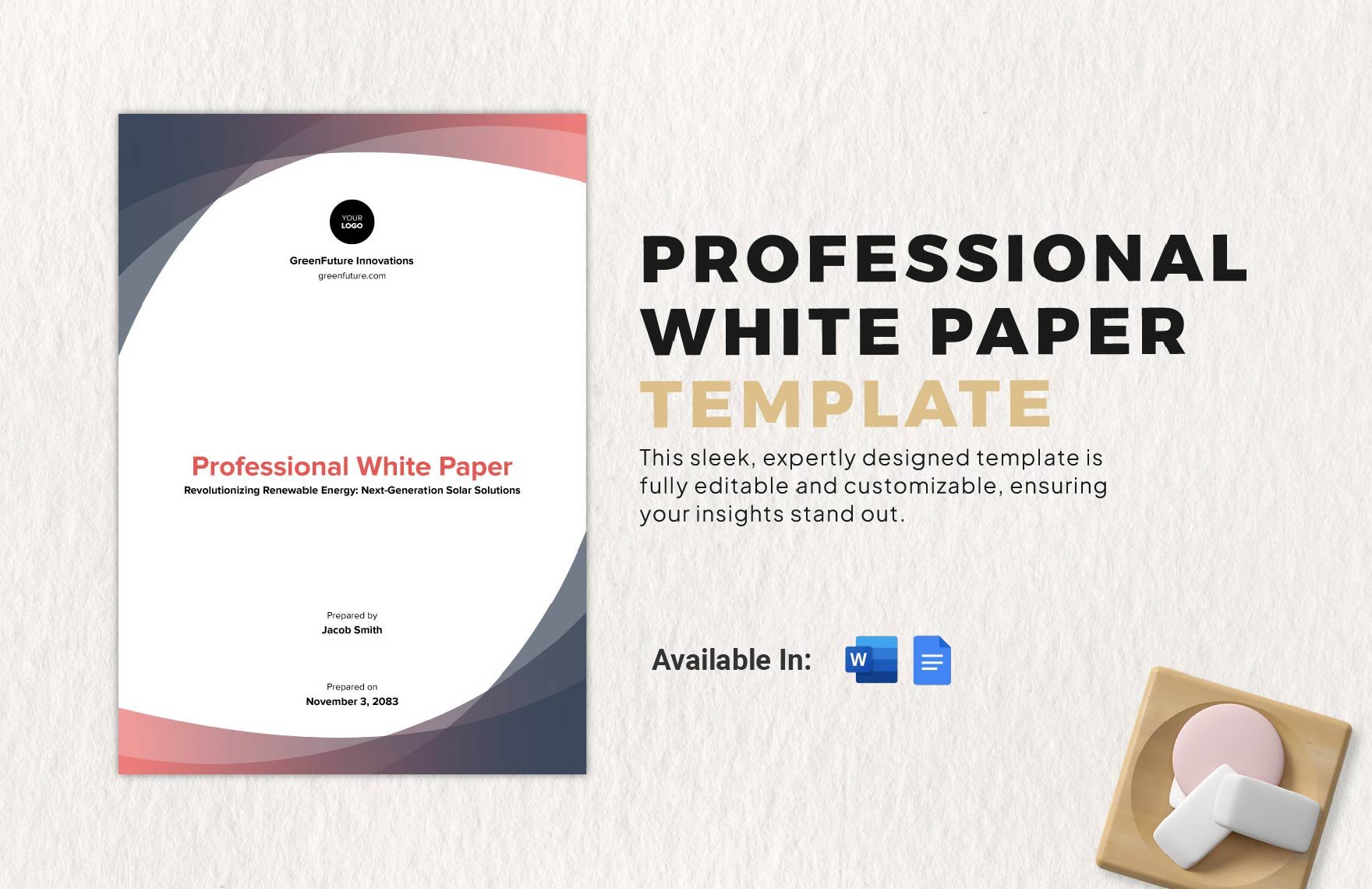
1. Cover Page
* Title & Subtitle
* Your Name/Brand
2. Table of Contents
3. Introduction: The Hidden Tax of a Thriving Lifestyle
* Hook: Start with a relatable scenario describing a common friction point (e.g., the conflict between lifestyle activities and professional/family obligations).
* Problem Statement: Briefly state that without a system, the lifestyle can create significant logistical and emotional "drag" that undermines its benefits.
* Promise: Introduce the paper's purpose: to provide a simple diagnostic tool to identify their specific friction points and a framework for thinking about them systematically.
4. The Problem: Where Good Intentions Break Down
* Section 1: Logistical Friction: Briefly discuss common challenges (scheduling, communication, privacy, finances).
* Section 2: Emotional Friction: Briefly discuss common emotional drains (minor jealousies, performance anxiety, partner insecurity, burnout).
5. The Solution: Your [Branded Name] Integration Scorecard
* This is the "Micro-Problem" your white paper solves.
* Introduce the Tool: Explain that the first step to solving a problem is accurately measuring it. Introduce your proprietary scorecard.
* The Categories: List the 5-7 key areas the reader will score themselves on (e.g., Communication Clarity, Time & Energy Management, Emotional Safety & Trust, Boundary Integrity, Discretion & OpSec).
* The Scorecard Itself: Present a simple table where they can rate themselves on a scale (e.g., 1-5) for each category.
6. Interpreting Your Score: Moving from Data to Diagnosis
* Analysis: Briefly explain what a low score in a key area might indicate. This is where you demonstrate your analytical thinking. Example: "A low score in 'Time & Energy Management' is a leading indicator of emotional burnout three months later."
* The Catch: Explain that while the score provides a snapshot, the real value comes from understanding how the scores interact. This creates the need for your expertise.
7. Conclusion & Strategic Next Step
* Summary: Reiterate the core message: a systematic approach is necessary to sustain a complex relationship dynamic long-term.
* The Gap: State clearly: "You now have the 'what'—your key problem areas. But you don't yet have the 'how'—a personalized plan to address them."
* Call to Action (CTA): This is the crucial link to your service. Frame it as a logical next step. Example: "Book a complimentary 30-minute Diagnostic Debrief. In this private session, we will analyze your scorecard results together and outline the first three steps toward building your personalized integration plan."
8. About the Author
* A brief bio highlighting your unique positioning: the intersection of deep relationship dynamic expertise and rigorous, analytical methodology.
Take about 20 minutes to fill out this outline with your own ideas, a working title, and a branded name for your scorecard. This document will become the blueprint for your most important client attraction asset.
Conclusion
Today, you've laid the groundwork for translating your codified expertise into a powerful client acquisition tool. You've learned that an effective lead magnet is not just content, but a strategic asset that demonstrates authority, filters for ideal clients, and solves a specific problem to build trust. By choosing the white paper format, you are leaning into your strengths, creating a document that can showcase your analytical rigor and structured thinking.
Your key takeaways are:
- A lead magnet's purpose is to turn your invisible expertise into tangible proof, allowing prospects to experience your thinking.
- For a data-driven practice, a Problem/Solution white paper that includes a diagnostic tool is an ideal format.
- The most effective lead magnets are built on four pillars: Precision Targeting, Micro-Problem Solving, Speed to Value, and a Strategic Next Step.
- Your white paper should guide the reader to a clear Call to Action that funnels them directly into your client intake process.
In the next module, "Client Acquisition and Onboarding," we will build the systems to handle the leads this white paper generates. Our first lesson will focus on systematizing your client acquisition strategy and developing a script for the initial screening call—the very call your new lead magnet will be driving people toward.