Hello! Welcome to the next step in our study of metabolic disorders.
In our previous lessons, we conducted an in-depth analysis of four key anti-diabetic Dravyas: Guduchi, Amalaki, Jambu, and Haridra. We explored how their classical Rasa-Karma profiles align with modern phytochemistry to address the pathogenesis (Samprapti) of Madhumeha.
Now, it's time to put all that knowledge into practice. The learning outcome for today's lesson is to design a treatment protocol for Type 2 Diabetes integrating Nidana Parivarjana, diet, and herbal interventions. We will move from understanding the individual tools to building a complete, structured therapeutic framework.
This integrated approach, which combines avoiding the cause (Nidana Parivarjana), regulating diet and lifestyle (Ahara-Vihara), and administering medicine (Aushadha), is the cornerstone of effective Ayurvedic clinical practice.
1. The Foundational Principle: Nidana Parivarjana (Avoidance of Causative Factors)
As you know from your BAMS studies, the first and most critical principle in managing any disease is Nidana Parivarjanam—the complete avoidance of etiological factors. Without this, any therapeutic intervention is like trying to fill a leaking pot. In Prameha, where lifestyle and diet are primary drivers, this step is non-negotiable.
To build our protocol, we first need to identify what to avoid.
Guidelines for prevention and management of Diabetes
The document 'Guidelines for prevention and management of Diabetes' from the AYUSH portal provides a clear and concise list of the primary causative factors to be avoided. This forms the basis of our first line of management.
Please read the section 'Prevention' under 'Management Approaches'. Focus on the list of factors to be restricted or avoided. Pay attention to both dietary (Ahara) and lifestyle (Vihara) causes mentioned.
Based on this and other classical references, the key Nidanas for Prameha that must be addressed are:
Ahara(Dietary Factors):Asya Sukham: The pleasure of sedentary habits, especially related to eating.- Excessive intake of foods with
Guru(heavy),Snigdha(unctuous), andMadhura(sweet) properties. - Overconsumption of
Navanna(newly harvested grains) andNavamadhya(freshly prepared alcoholic beverages). - High intake of dairy products, especially
Dadhi(curd). - Flesh of domestic and aquatic animals (
Anupa Mamsa).
Vihara(Lifestyle Factors):Svapna Sukham: The pleasure of excessive sleep, especiallyDivasvapna(daytime sleep).Avyayama: Lack of physical exercise and a sedentary lifestyle.Chinta: Chronic mental stress or grief.
Your first duty as a clinician is to educate the patient on meticulously avoiding these triggers. This alone can significantly halt the progression of the disease.
2. The Sustaining Pillars: Pathya Ahara & Vihara (Wholesome Diet & Lifestyle)
After removing the negative influences, the next step is to introduce positive, health-promoting habits. This involves prescribing a detailed Pathya regimen.
management of metabolic disorders
For a comprehensive guide on what to recommend, we will consult the 'management of metabolic disorders' document from Sawkar Ayurveda. It provides excellent, structured tables for Pathya and Apathya.
In this document, please carefully study the following tables under the 'Prevention Management' section: Table 8: Apathyaahara (Unhealthy dietary regimens) Table 9: Pathya ahara (Healthy dietary regimens) - Note the practical meal plan structure. Table 10: Apathya Vihara (Unhealthy Life Style regimens) Table 11: Pathya Vihara (Healthy Life Style Regimens) Focus on how these lists directly counteract the Nidanas we just discussed.
Let's synthesize this information into a clear set of recommendations for your patient.
Pathya Ahara (Recommended Diet)
The goal of the diet is to be Kapha-Medohara (reducing Kapha and fat) without aggravating Vata.
| Food Category | Recommended (Pathya) |
To Be Avoided (Apathya) |
|---|---|---|
| Cereals | Yava (Barley), Purana Shali (Old Rice), Godhuma (Wheat), Millets like Kodrava and Shyamaka. |
Navanna (newly harvested grains), polished rice, refined flour products. |
| Pulses | Mudga (Green gram), Kulattha (Horse gram), Adhaki (Red gram/Toor dal), Masura (Lentil). |
Masha (Black gram). |
| Vegetables | Tikta (bitter) and Kashaya (astringent) vegetables. Examples: Karavellaka (Bitter gourd), Patola (Pointed gourd), Methika (Fenugreek leaves). Salads and leafy greens. |
Alu (Potato), other starchy root vegetables in excess. |
| Fruits | Jambu (Jamun), Amalaki (Amla), Kapittha (Wood apple). Fruits with lower sugar content like apples and guava in moderation. |
High-sugar fruits: Amra (Mango), Draksha (Grapes), Kadali (Banana). |
| Dairy & Fats | Takra (Buttermilk), limited quantities of Ghrita (medicated ghee is often used). Use of oils like Mustard and Linseed. |
Dadhi (Curd), cheese, whole milk, butter, fried foods. |
| Sweeteners | Strictly limited. Natural sources are preferred over processed. | Guda (Jaggery), Sarkara (Refined sugar), honey in large amounts, soft drinks, processed juices. |
Barley (Yava) is highlighted across texts as the single most important grain for a Pramehi. Its Ruksha (dry) and Lekhana (scraping) qualities are ideal for managing Kleda and Meda.
Pathya Vihara (Recommended Lifestyle)
Vyayama(Exercise): This is crucial. Recommend 30-45 minutes of brisk walking, cycling, or swimming daily. The goal is to induce mild sweating (swedagama).Yoga: Specificasanasare highly beneficial for improving metabolic function and insulin sensitivity. These includePaschimottanasana,Ardha Matsyendrasana,Vajrasana, andHalasana.Surya Namaskaris an excellent dynamic practice.Pranayama: Practices likeKapalabhatiandBhastrikacan enhance metabolic rate (Agni).- Sleep: Avoid daytime sleep (
Divaswapna) and ensure adequate, restful sleep at night.
3. The Therapeutic Core: Aushadha Chikitsa (Herbal Interventions)
With the foundation of diet and lifestyle in place, we can introduce Aushadha (medicine). The choice of drugs depends heavily on the patient's constitution (Bala and Deha Prakriti). As Charaka states, Prameha patients are broadly of two types:
Sthula Pramehi(Obese/Strong Patient): Corresponds to early-stage Type 2 Diabetes with insulin resistance. The dosha predominance isKapha, and there isBahu Abaddha Medas(excess, poorly formed fat tissue).- Treatment Strategy:
Lekhana(scraping),Karshana(emaciating), andSamshodhana(purification) therapies are preferred.
- Treatment Strategy:
Krisha Pramehi(Lean/Weak Patient): Corresponds to later stages or Type 1 Diabetes, whereDhatu Kshaya(tissue depletion) is prominent due to the aggravation ofVata.- Treatment Strategy:
Brumhana(nourishing) andSantarpana(satiating) therapies that do not increaseKaphaare required.
- Treatment Strategy:
For the scope of this lesson, we will focus on designing a Shamana (palliative) protocol for a typical Sthula Pramehi.
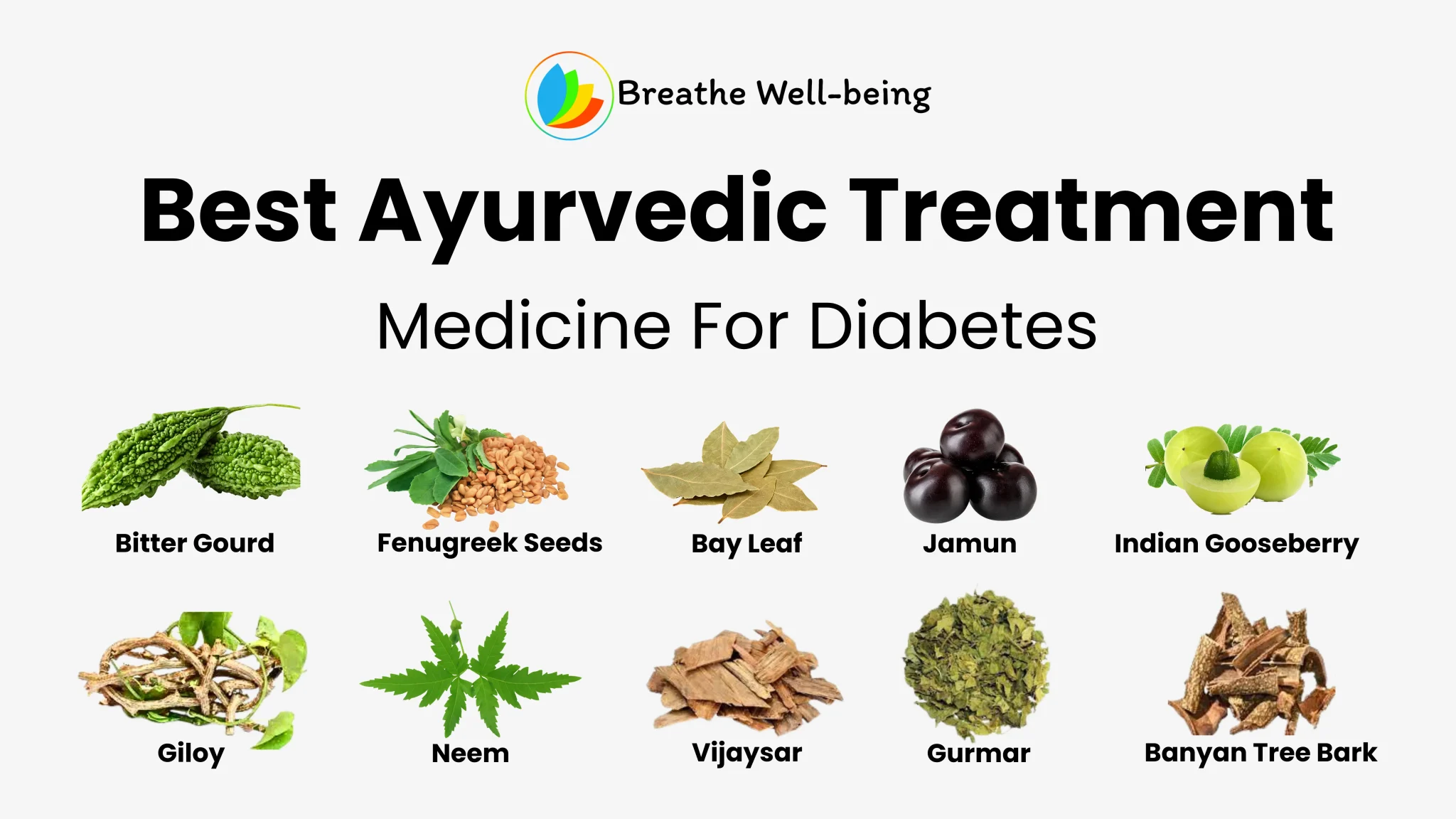
Selecting the Right Herbs and Formulations
We will now use the herbs we've studied to create a logical prescription.
Prameha || Kayachikitsa ||Roga nidana || Salya tantra || BAMS Exam Made Easy
Before we build the protocol, watch this short segment from the 'BAMS Exam Made Easy' channel. It gives a good overview of the classical treatment principles and mentions several formulations.
Please watch the following parts: Madhumeha Pathogenesis (40:11 - 44:04): This will refresh your memory on the causative factors and pathology leading to Madhumeha. General Treatment (52:27 - 58:50): Pay close attention to the names of the formulations mentioned, such as Nisha katakadi kashayam, Chandraprabha Vati, and the use of Triphala. This will provide context for the protocol we are about to design.
The general approach is to use a combination of single herbs and compound formulations to manage blood sugar, improve metabolism, and prevent complications.
Key Formulations:
Nishamalaki Churna: A simple 1:1 combination ofNisha(Haridra) andAmalaki. We've studied both.HaridraprovidesLekhanaand anti-inflammatory action to counter insulin resistance, whileAmalakioffersRasayana(rejuvenating) and antioxidant protection to theDhatus. This is a foundational formula.Triphala Churna: Excellent forAnulomana(regulating bowel function) and gentleLekhana. It helps in cleansing the channels (Srotoshodhana).Chandraprabha Vati: A classical polyherbal formulation that isPramehaghnaand also acts as aRasayana. It is particularly useful in addressing urinary system complaints associated withPrameha.Kashayams(Decoctions): Formulations likePhalatrikadi Kashayam,Asanadi Kashayam, orNishakatakadi Kashayamare often used before food to enhance metabolism and control glucose levels.
4. Synthesizing the Protocol: A Case Example
Let's design a protocol for a hypothetical patient:
- Patient: A 50-year-old male, diagnosed with Type 2 Diabetes Mellitus.
- Constitution:
Sthula(obese), with a strong build.Kapha-PittaPrakriti. - Symptoms:
Prabhuta Mutrata(polyuria),Trishna(polydipsia), lethargy, and high post-prandial blood sugar. FBS: 150 mg/dL, PPBS: 250 mg/dL. - Diagnosis:
Madhumeha(Kaphadominant,Sthulatype).
Here is a 3-phase initial management plan:
Phase 1: Amapachana & Nidana Parivarjana (1 week)
- Counseling: Thoroughly explain and provide a written list of the
NidanasandApathyafoods/activities to be strictly avoided. Amapachana: To begin, prescribe a simpleDeepana-Pachanaformula to improve digestion and clearAma.Panchakola Phanta(hot infusion) 25-50ml, twice a day before meals.- OR
Trikatu Churna, 1-2 grams with lukewarm water before meals.
Phase 2: Main Shamana Protocol (To be continued for 1-3 months)
- Diet (
Ahara): Implement thePathyadiet as detailed above. Emphasize replacing rice with barley-based preparations. - Lifestyle (
Vihara): Prescribe 45 minutes of brisk walking in the morning and a routine of theYogasanasmentioned. - Herbal Medicine (
Aushadha):- Morning (empty stomach):
Nishamalaki Churna- 3 grams with lukewarm water. (Targets inflammation, insulin resistance, and provides antioxidant support). - Before Meals (15-30 min before breakfast & dinner):
Phalatrikadi Kwath- 15 ml diluted with 45 ml lukewarm water. (Triphalabase helps inSrotoshodhanaand glucose metabolism). - After Meals (after breakfast & dinner):
Chandraprabha Vati- 2 tablets (500mg each) with water. (Supports urinary health and overall metabolism).
- Morning (empty stomach):
Phase 3: Follow-up and Adjustment
- Monitoring: The patient should monitor blood sugar levels and report back in 2-4 weeks.
- Adjustments:
- If post-prandial blood sugar remains high,
Jambu Beeja Churna(3 grams) can be added after meals to specifically target carbohydrate absorption. - If
Vatasymptoms like neuropathy begin to appear,Rasayanadrugs likeGuduchimight be emphasized, or specific nerve-toning formulations would be added.
- If post-prandial blood sugar remains high,
Test your understanding!
How would you need to modify this protocol for a Krisha Pramehi (a lean, weak diabetic patient) who presents with signs of Dhatu Kshaya (tissue depletion) and fatigue, even though his blood sugar is high?
Show answer
For a Krisha Pramehi, the focus shifts from Lekhana (scraping) to Brumhana (nourishing) and Rasayana (rejuvenation).
- Reduce
LekhanaDrugs: Strong scraping herbs and decoctions would be used cautiously or avoided. The dose ofHaridramight be reduced. - Emphasize
RasayanaDrugs: The protocol would heavily featureDravyaslikeGuduchiandAmalaki, which nourish theDhatuswhile still managingPrameha. Formulations likeChyawanprash(in small, controlled doses) orAmalaki Rasayanacould be considered. - Use
SnigdhaandBalyaFormulations: Instead of purely drying decoctions, formulations might include medicated ghees (Ghrita) or oils (Taila) known to be anti-diabetic, likeDhanwantaram Ghritamin small doses. The goal is to pacifyVataand provide strength (Bala) without increasingKapha. Shodhanais Contraindicated: Aggressive purification therapies likeVamanaorVirechanawould be avoided.
Conclusion
Today, we have successfully translated our theoretical knowledge of Dravyaguna into a practical, multi-faceted clinical protocol. You can now see how a real-world Ayurvedic treatment plan is built layer by layer.
Key Takeaways:
- An effective Ayurvedic protocol for Type 2 Diabetes is an integrated strategy, not just a prescription for herbs.
- The three pillars are
Nidana Parivarjana(avoiding the cause),Pathya Ahara/Vihara(supportive diet/lifestyle), andAushadha(targeted medicine). - Herbal interventions must be personalized based on the patient's constitution (
Sthulavs.Krisha) and the dominantDosha. - For a
Sthula Pramehi, the focus is onLekhana(scraping) andKaphareduction using herbs likeHaridraand formulations likePhalatrikadi Kwath. - For a
Krisha Pramehi, the focus shifts toBrumhana(nourishing) andRasayanatherapy to counteractVataandDhatu Kshaya, using herbs likeGuduchiandAmalaki.
Preview of the Next Lesson:
Having established the general management of Madhumeha, we will now turn our attention to one of its most common and debilitating complications. In the next lesson, we will analyze the Ayurvedic management of diabetic neuropathy in relation to modern neuroprotective approaches, bridging the Samprapti of Vata Vyadhi with contemporary neuroscience.