Hello! Welcome to the fourth lesson in our module on the mechanics of vesting.
In our last lesson, you learned how to calculate the exact number of your vested options at any point in time. We saw that if you leave before the 1-year cliff, you get nothing, but after that, you earn a predictable portion of your grant for each month you work.
Today, we'll explore the critical question: What actually happens to all your options—both vested and unvested—the moment you leave a company? This is a crucial topic because your employment ending doesn't automatically mean you get to keep what you've earned. Understanding these rules is essential to avoid potentially losing thousands of dollars worth of equity you thought was yours.
The Two Paths for Your Options
When your time at a company comes to an end, your total option grant is immediately split into two categories, and each follows a very different path.
- Unvested Options: The options you have not yet earned.
- Vested Options: The options you have earned by staying for a certain period.
Let's look at what happens to each.
1. The Fate of Unvested Options: Forfeiture
This part is simple and unforgiving. The moment you leave a company, any and all unvested options are immediately forfeited. They are cancelled and go back into the company's ESOP pool to be offered to future or current employees.
Think of it this way: the company granted you options as an incentive to stay and contribute to its growth over a full 4-year period. Since your employment ended early, you forfeit the right to earn the remaining portion.
ESOPs for Beginners - Metamorph
The article 'ESOPs for Beginners' from Metamorph provides a very clear summary of this rule. Let's read their short explanation.
Please read the entire section titled 'What happens if I leave my organisation in the middle of the vesting period?'. Focus on the distinction it makes between the 'Vested Portion' and the 'Unvested Portion'.
2. Your Vested Options: The Clock Starts Ticking
This is where things get more interesting, and more risky.
You do not automatically keep your vested options forever. Instead, you keep the right to purchase them, but only for a limited time. This period is known as the Post-Termination Exercise Period (PTEP), or simply the "exercise window."
This window is typically very short—most commonly 90 days.
If you do not "exercise" your vested options (which means paying the company the total strike price for them) within this window, you forfeit them as well. They also go back into the company's ESOP pool. This is a "use it or lose it" scenario that catches many employees by surprise.
How Much Are My Employee Stock Options Worth?!?
To really understand this deadline, let's hear it explained. The video 'How Much Are My Employee Stock Options Worth?!?' from the Venture Kills channel explains this critical time limit very directly.
Please watch the segment from 14:06 to 14:50. Pay close attention to the speaker's explanation of the 'window of time' you have after leaving and the consequences of missing it.
So, to be crystal clear: leaving a company starts a countdown. You must decide whether to buy your vested shares, and you have to act before the deadline, or all your years of service will amount to zero equity.
A Deeper Look: Good Leavers vs. Bad Leavers
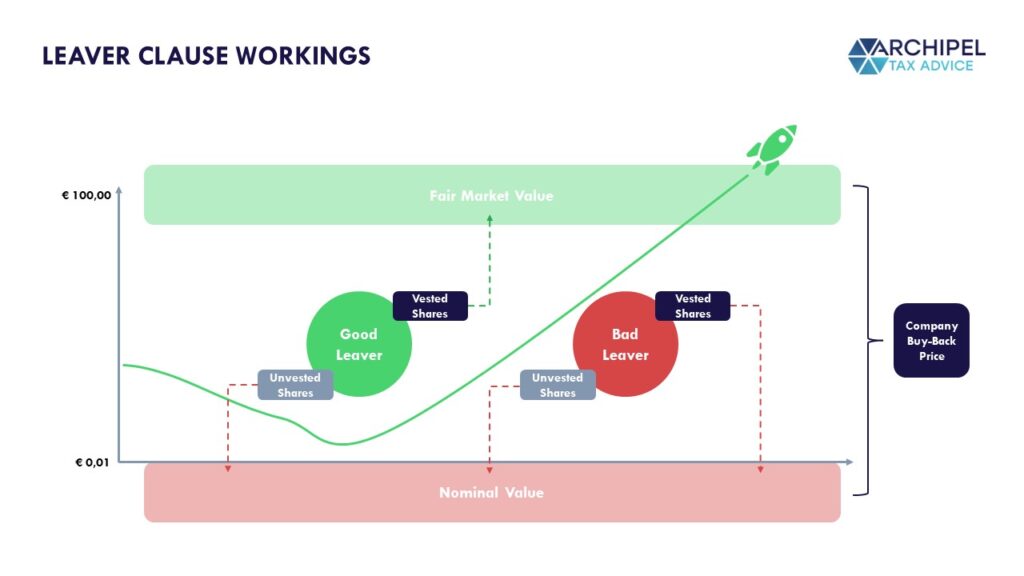
The rules for your vested options can sometimes change depending on the circumstances of your departure. Many ESOP agreements include "Good Leaver" and "Bad Leaver" clauses to handle different exit scenarios.
- Good Leaver: This usually applies if you leave on good terms. Examples include resigning with proper notice, being laid off, retirement, or leaving for health reasons. In this case, the standard rules apply: you get to keep your vested options and have the defined exercise window (e.g., 90 days) to purchase them.
- Bad Leaver: This applies if you are terminated for a serious reason, such as fraud, misconduct, or a major breach of your employment contract. In a "bad leaver" scenario, the company's policy might state that you forfeit all of your options, including those that have already vested.
This distinction protects the company from giving ownership to individuals who have harmed it.
ESOP Vesting Period: Everything You Need to Know - S45 Resources
The article from S45 Resources dives into the specifics of these leaver clauses. Understanding this can help you know what to look for in your own ESOP agreement.
Please read the section titled 'Good Leaver vs Bad Leaver Clauses'. Focus on the definitions of each type of leaver and how the consequences can differ.
This concept is important because it shows that the fine print in your ESOP agreement matters. The difference in financial outcome can be huge.
Test your understanding!
An engineer named Priya was granted 12,000 ESOPs. After working for 2 years, she has vested 6,000 options. She resigns on good terms to take a new job. Her company's policy gives her a 90-day post-termination exercise window.
Priya is busy with her new job and forgets about the options. Four months (about 120 days) after leaving, she remembers and tries to exercise her 6,000 vested options. What will happen?
Show answer
Unfortunately, Priya will not be able to get any shares. Here's the breakdown:
- The 6,000 unvested options were forfeited the day she resigned.
- The 6,000 vested options were forfeited after the 90-day exercise window expired.
Because she waited too long, she lost the right to purchase the shares she had earned. She ends up with 0 shares from her old company.
Why Would Someone Not Exercise Their Options?
You might be wondering, "If I earned them, why wouldn't I just buy them?" This is a critical question we will explore in much more detail later, but the two main reasons are:
- Cost: Exercising options is not free. You must pay the company the full strike price for all the shares you want to buy. If you have thousands of vested options, this can require a significant amount of cash upfront.
- Risk: You are buying shares in a private company with no guarantee that you will ever be able to sell them. If the company fails, the money you paid to exercise your options is lost forever.
We will dedicate entire future lessons (Modules 7 and 8) to the process of exercising and the taxes involved, which are major factors in this decision.
Conclusion
Understanding what happens when you leave a company is just as important as understanding how you earn options in the first place. A simple lack of awareness can cause you to lose everything you worked for.
Key Takeaways:
- When you leave a company, you immediately forfeit all unvested options.
- You retain the right to buy your vested options, but only within a limited Post-Termination Exercise Period (PTEP), which is often just 90 days.
- If you fail to exercise your vested options within this window, you lose them forever.
- The circumstances of your departure may matter, with "Bad Leavers" facing harsher consequences than "Good Leavers".
Preview of the Next Lesson:
Now that we've covered vesting schedules, calculations, and the rules for leaving, it's time to put it all together. In our next and final lesson of this module, we will analyze a case study comparing two employees who leave the same company at different times. We'll see how vesting rules create vastly different financial outcomes for them and solidify everything you've learned.