Introduction
Hello! In our last lesson, we covered the critical distinction between using sumimasen for polite requests and tasukete kudasai for genuine emergencies. It was a serious but essential topic for your safety.
Today, we shift from life-or-death situations to a much more common, almost essential, modern travel need: getting online. In this lesson, we will focus on learning a single, highly practical phrase: how to ask for the Wi-Fi password. Staying connected can be crucial for using maps, checking train schedules, or just sharing your experiences, and knowing how to ask for access is a key skill. This fits perfectly with your phrase-based learning preference, giving you a ready-to-use tool for your trip.
1. The Two-Step Process for Wi-Fi Access
In Japan, as in many places, getting connected in a café, hotel, or public space often involves two steps:
- Confirming that Wi-Fi is available.
- Asking for the password.
Let's break down the phrases for each step.
Step 1: Is there Wi-Fi? - Wi-Fi wa arimasu ka?
You've already learned the pattern [Item] wa arimasu ka? to ask "Do you have...?" or "Is there...?". We can apply that directly here. The Japanese word for Wi-Fi is simply Wi-Fi, pronounced wai-fai and written in katakana.
すみません、Wi-Fi は ありますか?Sumimasen, Wi-Fi wa arimasu ka?
"Excuse me, is there Wi-Fi?"
This is a polite and universally understood way to start. The following reading provides a great overview of this initial step.
"Wi-Fi Arimasuka?" How to Ask for Wi-Fi in Japan
The article 'How to Ask for Wi-Fi in Japan' from Speakable Japanese offers a very clear and simple guide. We'll start with the first part, which covers the most important question.
Please read the section titled '1. The All-Purpose Phrase to Find Wi-Fi'. It introduces the key question and explains where you can use it.
Step 2: What's the Password? - Pasuwaado o oshiete kudasai
Once you've confirmed they have Wi-Fi, you'll need the password. The Japanese word is, conveniently, another loanword: pasuwaado (パスワード).
The key phrase for this lesson is:Wi-Fi の パスワード を 教えてください。Wi-Fi no pasuwaado o oshiete kudasai.
"Please tell me the Wi-Fi password."
Let's break this down:
Wi-Fi no(ワイファイの) - The particlenoworks like a possessive, so this means "Wi-Fi's".pasuwaado(パスワード) - "password".o(を) - The particle that marks the object of the verb.oshiete kudasai(教えてください) - "please tell me / please teach me". This is a very useful chunk you can use in other situations too.
You can also use a shorter version if the context is clear:パスワード を 教えてください。Pasuwaado o oshiete kudasai.
"Please tell me the password."
The two articles below both cover this phrase.
"Wi-Fi Arimasuka?" How to Ask for Wi-Fi in Japan
Let's return to the Speakable Japanese article to see how to ask for the password and look at a sample conversation.
Read sections '2. Getting the Password' and '3. A Sample Cafe Conversation'. Notice the shorter phrase Pasuwādo o oshiete kudasai and how it's used in the dialogue.
50+ Japanese Phrases for Tourists
The Lingopie article '50+ Japanese Phrases for Tourists' also lists the full phrase for asking for the Wi-Fi password in a hotel context.
In the section 'Japanese Common Phrases For Hotels', find the subsection 'Check-In and Reservations'. Confirm the phrase for the Wi-Fi password presented there.
2. Reading the Signs: What to Look For
Before you even ask, the Wi-Fi information might be displayed on a sign, on the menu, or on a card at your table or hotel desk. This is a great chance to practice your reading skills.
Here are the key terms to look for:
| English | Japanese (Katakana/Kanji) | Romaji |
|---|---|---|
| Wi-Fi | Wi-Fi / ワイファイ | wai-fai |
| Password | パスワード | pasuwaado |
| Network Name / SSID | ネットワーク名 / SSID | nettowaaku-mei |
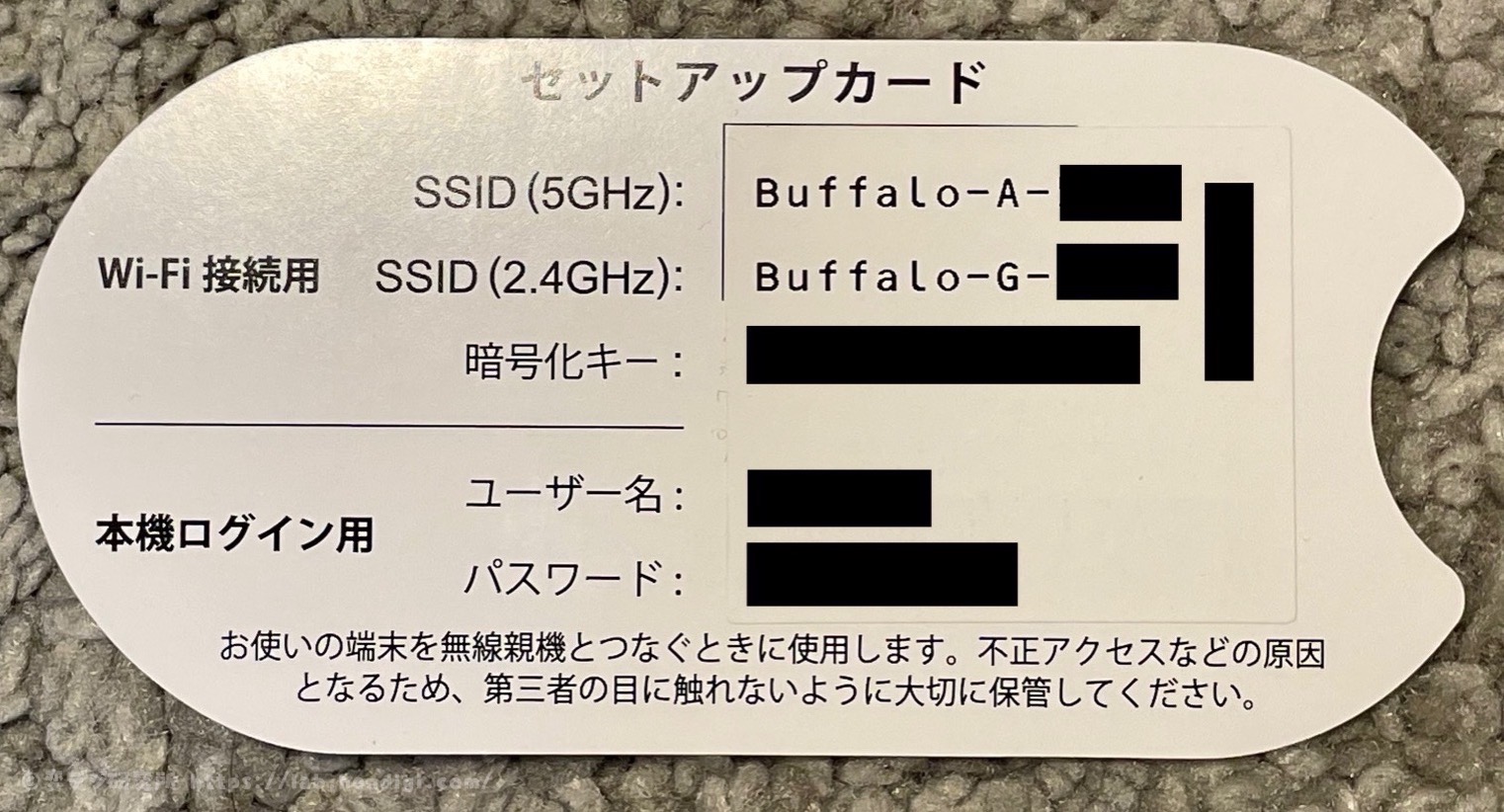
| Encryption Key | 暗号化キー | angouka kii |
The term 暗号化キー (angouka kii), "encryption key," is just another technical term for the password. Given your IT background, this is likely a familiar concept.
Look at this image of a Wi-Fi setup card you might be given at a hotel.
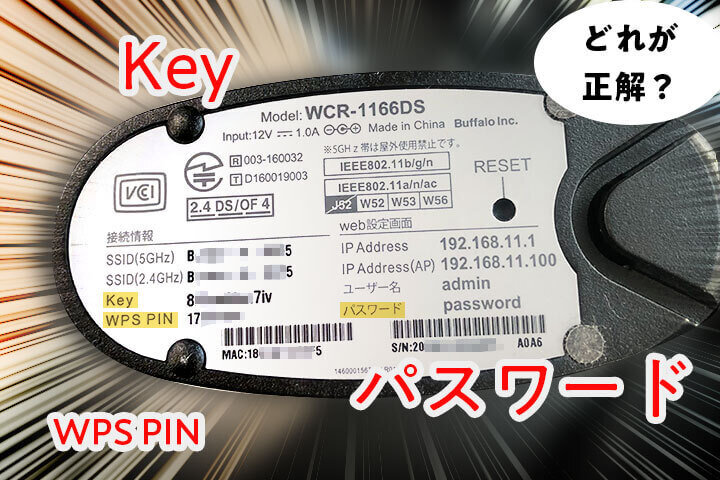
Sometimes, the password might even be on the router itself, which is common in rental apartments or Airbnbs.
3. Practice Dialogue
Let's put everything together in a short, realistic conversation you might have at a café. This dialogue is also in the Speakable Japanese article you read.
You:すみません、Wi-Fiはありますか?
(Sumimasen, Wi-Fi wa arimasu ka?)
"Excuse me, is there Wi-Fi?"
Staff:はい、ございます。
(Hai, gozaimasu.)
"Yes, we have it." (Gozaimasu is a more polite version of arimasu).
You:パスワードを教えてください。
(Pasuwaado o oshiete kudasai.)
"Please tell me the password."
Staff:はい。メニューの裏に書いてあります。
(Hai. Menyuu no ura ni kaite arimasu.)
"Yes. It's written on the back of the menu."
You:分かりました、ありがとうございます。
(Wakarimashita, arigatou gozaimasu.)
"I understand, thank you."
The staff's response, kaite arimasu, is a useful pattern that means "it is written." You don't need to memorize the grammar, but recognizing it will help you understand directions.
Conclusion
In this lesson, you've added a crucial and very practical set of phrases to your travel toolkit. Getting online will now be much easier.
Key Takeaways:
- To ask if Wi-Fi is available, use
Wi-Fi wa arimasu ka?(Wi-Fiはありますか?). - To ask for the password, use the fixed phrase
Wi-Fi no pasuwaado o oshiete kudasai(Wi-Fiのパスワードを教えてください). - You can often use the shorter
Pasuwaado o oshiete kudasai(パスワードを教えてください) if the context is clear. - Be on the lookout for signs with key terms like
Wi-Fi,パスワード(password), and暗号化キー(encryption key).
Preview of the next lesson:
We will continue with useful phrases for your accommodation. In the next lesson, you will learn how to check out of your hotel using the phrase chekkuauto o onegaishimasu.