Hello! Welcome to your second lesson.
In our first lesson, we explored the 'receiver' in our lighting system: the human eye and brain. We learned that good lighting is about creating comfort and mood, not just brightness, by managing contrast and understanding how our eyes adapt.
Today, we shift our focus from the receiver to the 'signal' itself—the light. The learning outcome for this lesson is to identify the three primary characteristics of light: quantity, quality, and direction. Think of these as the three fundamental dials you can turn as a designer. Just as you, in your work as a technical architect, manipulate materials, form, and structure to define a building, a lighting designer manipulates these three characteristics of light to define an experience within it. Mastering them is the first step toward moving from simply illuminating a space to truly designing with light.
1. Quantity: How Much Light?
The most basic question in lighting is: "Is it bright enough?" This is a question of quantity. Light quantity refers to the amount of light produced by a source or the amount of light falling on a surface.
The primary unit we use to measure the total light output from a source is the lumen (lm). For a long time, people associated brightness with wattage, but watts measure energy consumption, not light output. With the rise of highly efficient LEDs, lumens have become the standard for comparing brightness.
To get a clear definition of lumens and how they differ from watts, please read the following short text.
THE FUNDAMENTALS OF LIGHTING DESIGN FOR ...
This section from the article 'THE FUNDAMENTALS OF LIGHTING DESIGN FOR INTERIORS 2024' provides a clear, practical explanation of lumens as a measure of brightness.
Read the two paragraphs starting with 'Types of light sources...' and ending with '...when choosing your lighting.' Focus on the distinction between lumens and watts.
Key Points on Quantity:
- Lumens (lm): Measure the total amount of visible light emitted by a source. More lumens mean more light.
- Watts (W): Measure the electrical power a source consumes.
- Efficacy: The efficiency of a light source, measured in lumens per watt (lm/W). An LED bulb might produce 800 lumens using only 9 watts, while an old incandescent bulb needed 60 watts to produce the same 800 lumens.
Choosing the right quantity isn't about flooding a room with the maximum possible lumens. It's about providing the appropriate amount of light for the function of the space. A workshop requires a high quantity of light for safety and precision, while a lounge requires a much lower quantity to create a relaxing atmosphere. We'll quantify this later in the course using a metric called illuminance (lux or footcandles). For now, think of quantity as the raw amount of light you have to work with.
2. Quality: What Kind of Light?
Once you have the right amount of light, you must consider its quality. Light quality describes the characteristics that affect our perception of a space's atmosphere and the appearance of objects within it. It's the difference between a room feeling warm and inviting versus cold and clinical, or a red apple looking vibrant versus dull and brownish.
The two most important components of light quality are Color Rendering Index (CRI) and Color Temperature.
A Guide On Lighting Philosophy in Interior Design - Baseline
This section from 'A Guide On Lighting Philosophy in Interior Design' clearly defines these two critical aspects of light quality.
Read the section titled '3. Light Quality'. Focus on understanding the purpose of CRI and the effect of different color temperatures.
Let's summarize:
- Color Rendering Index (CRI): This is a score from 0 to 100 that measures how accurately a light source reveals the true colors of objects. Natural daylight has a CRI of 100. For interior spaces where color appearance matters—like kitchens, bathrooms, and retail—a CRI of 90 or higher is recommended. A low CRI can make everything look washed out or discolored.
- Color Temperature: This describes the perceived warmth or coolness of a light source and is measured in Kelvin (K).
- Warm Light (<3000K): Appears yellowish, like a candle or traditional incandescent bulb. It creates a cozy, intimate, and relaxing atmosphere.
- Cool Light (>4000K): Appears bluish-white, like midday sun. It creates a feeling of alertness and focus, often used in offices, hospitals, and task areas.
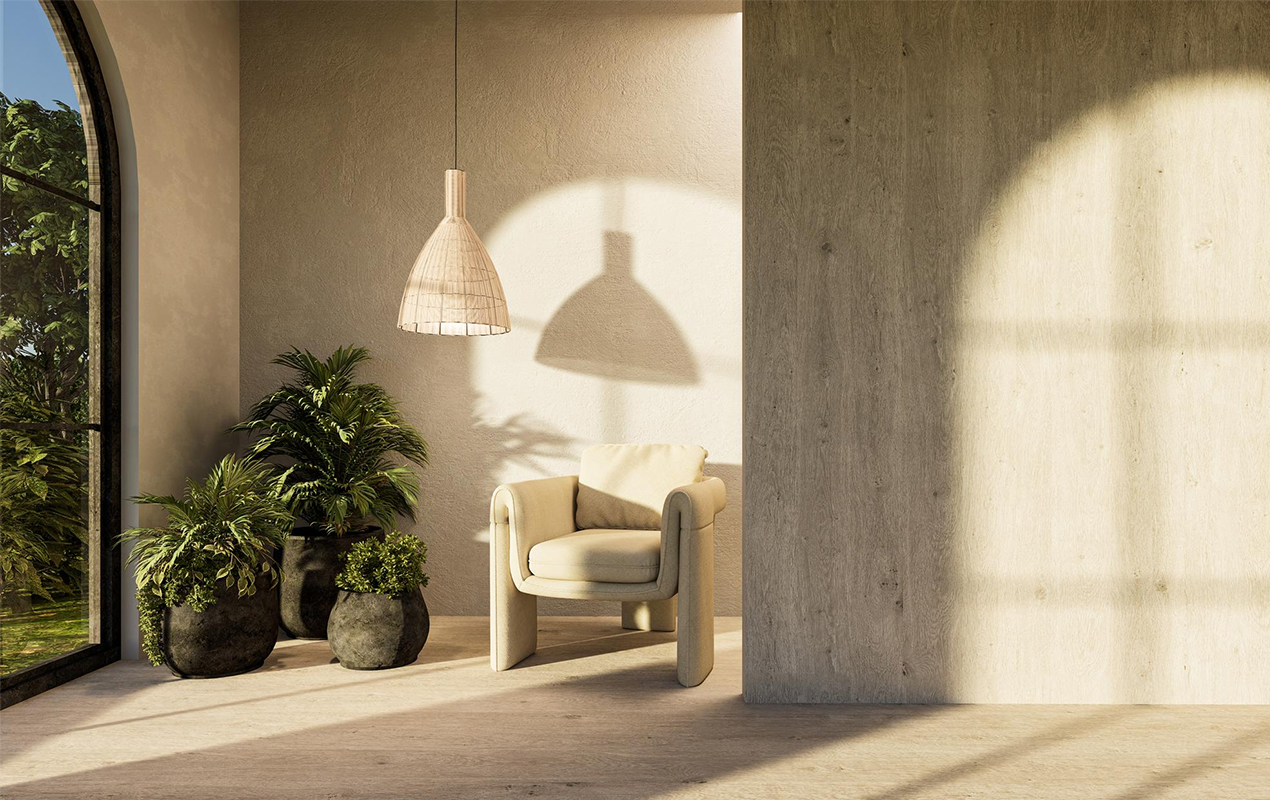
Another crucial aspect of quality is the absence of glare. Glare is excessive brightness that causes visual discomfort or reduces visibility. It can be a major problem that makes a space unpleasant, even if the quantity and color of light are technically correct.
3. Direction: Where Does the Light Go?
Finally, we have direction. This refers to the path light takes from the luminaire (light fixture) to the surfaces in a room. Direction is what creates highlights and shadows, defines textures, and shapes our perception of a space.
Common directional strategies include:
- Downlighting: Light shining downwards, typically for general or task illumination.
- Uplighting: Light aimed upwards to bounce off the ceiling, creating soft, indirect ambient light.
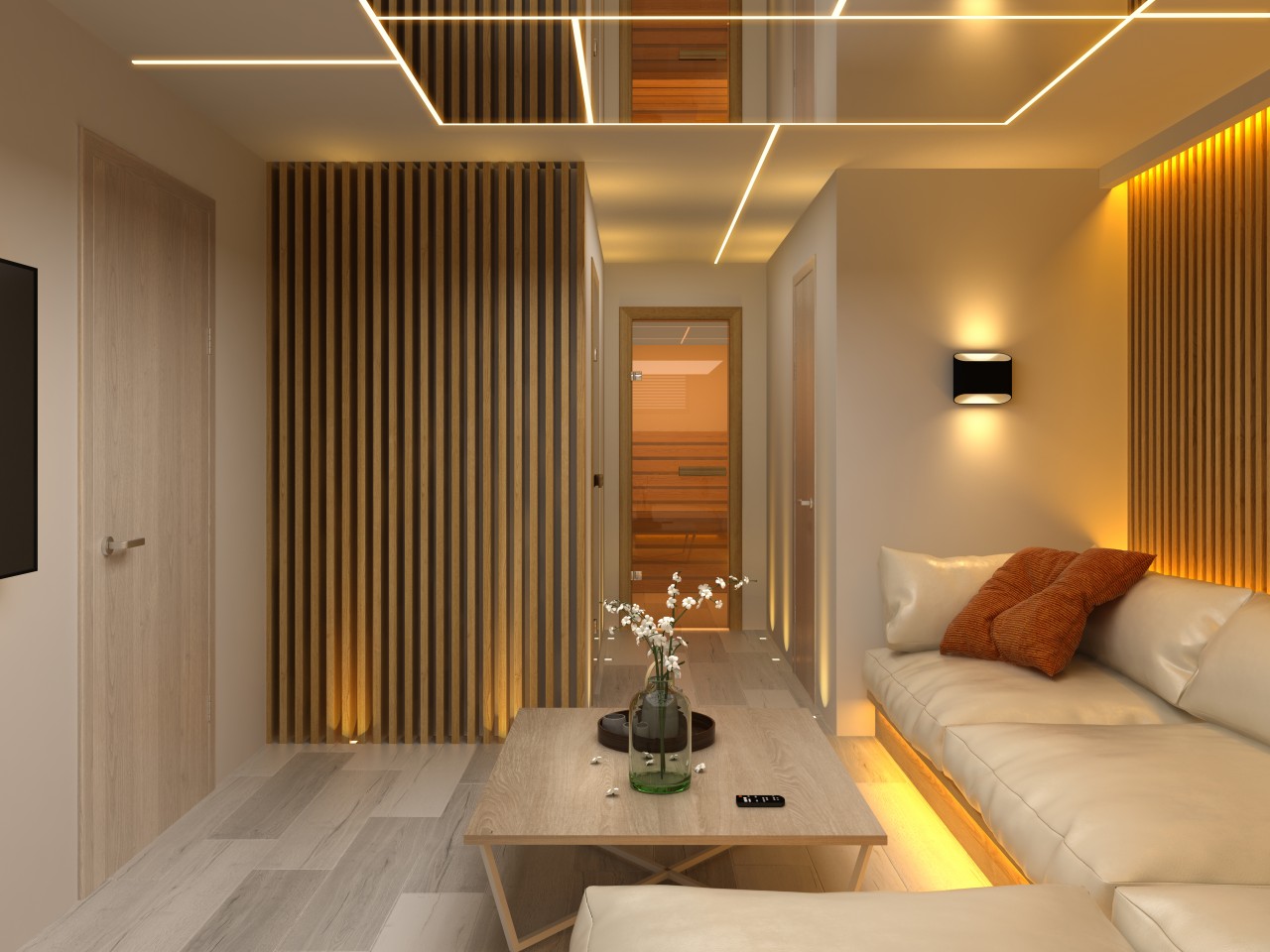
- Wall Washing: Spreading light evenly down a vertical surface to make a space feel brighter and larger.
To see a fantastic practical example of how direction and quality are engineered into a modern light fixture, let's watch a short video.
Are all recessed lights created equal?
This video from Refresh Home Improvements, 'Are all recessed lights created equal?', brilliantly demonstrates how controlling the direction of light dramatically improves its quality and effectiveness.
Watch from 00:18 to 02:33. Pay close attention to how 'regressing the optics' (pulling the light source up into the fixture) controls the direction, reduces glare (improves quality), and focuses the light where it's needed.
This video perfectly illustrates the interplay of our three characteristics:
- Quantity: It starts by mentioning that cheap wafer lights provide "plenty of lumens."
- Quality: However, this light is of poor quality because it creates a "ton of glare."
- Direction: The solution is to control the direction. By using a regressed optic and a narrower beam angle, the light is directed downwards, away from the eyes, eliminating glare and focusing the light onto the lower parts of the room.
Test your understanding!
You are tasked with lighting a painting on a gallery wall. Describe the ideal light for this purpose using the concepts of quantity, quality, and direction.
Show answer
- Quantity: A moderate amount of light, enough to make the painting the focal point but not so much that it causes damage or excessive contrast with the rest of the room.
- Quality: Very high CRI (95+) is essential to render the artist's colors accurately. The color temperature should be chosen to complement the artwork and the gallery's ambiance (often neutral, around 3000K). Most importantly, the quality must be glare-free.
- Direction: The light should be directed specifically at the painting, typically from a track light or spotlight aimed at a 30-degree angle to the wall. This angle illuminates the canvas evenly while minimizing veiling reflections (glare) off the surface of the painting.
Conclusion
You have now been introduced to the three fundamental building blocks of lighting design. Every decision you make, from choosing a bulb to placing a fixture, will involve a conscious manipulation of these three variables.
Key Takeaways:
- Quantity: The amount of light, measured in lumens. It's about providing the appropriate brightness for a task or mood.
- Quality: The character of light, primarily defined by Color Rendering Index (CRI) for color accuracy and Color Temperature (Kelvin) for warmth/coolness. The absence of glare is also a key quality marker.
- Direction: The path light travels, which creates form, texture, and focus through techniques like downlighting, uplighting, and wall washing.
In our next lesson, we will dive deeper into one of the most important aspects of light quality: color temperature. We'll move beyond the simple 'warm' and 'cool' labels and learn how to use the Kelvin scale precisely to select the perfect white light for any application.