Hello!
In our last lesson, you translated your finalized patterns into a precise fabric yardage list. This was a critical step in quantifying your design. Think of it as creating the "bill of materials" for the main components of your dress.
Today, we'll complete that "bill of materials" by identifying every other component needed to bring your design to life. We will move beyond just the fabric to create a comprehensive shopping list that includes all the hidden hardware—the notions—and the specialized tools that will ensure a professional-quality result. This process is the final stage of your project's "discovery and planning" phase, ensuring you have every single item on hand before you begin the "production" or construction phase.
Your learning outcome for this lesson is to: Prepare a complete materials list including fabrics, notions, and specialized tools.
1. Consolidating Your Shopping List: Fabrics & Notions
Your materials list starts with the fabrics you've already calculated the yardage for. But a garment, especially a structured one like your wedding dress, is held together and given shape by a host of smaller items called notions.
To see how this plays out in a real project very similar to yours, let's watch how another DIY bride, Sarah Naomi, planned her materials.
Sewing My Wedding Dress 🪡|Part 2/5|Fabric & Budget|DIY Wedding Dress
In her video 'Sewing My Wedding Dress... Fabric & Budget', Sarah Naomi shares the specific fabrics and notions she chose. This provides an excellent real-world example of the kind of list we are building today.
Please watch from 09:09 to 14:37. As you watch, pay attention to: The different types of fabrics she chose for specific purposes (e.g., cotton/silk voile for the lining touching the body, satin for an inner layer). The list of notions she purchased, such as boning, an invisible zipper, and buttons for a bustle.
As you saw, the list goes far beyond just the main fabric. Let's break down the categories of notions you'll need to source for your architectural, strapless gown.
2. Notions for Structure and Function
These are the critical "hardware" components that will give your bodice its shape and support the weight of the skirt.
Boning: The Architectural Support
For a strapless corset-style bodice, boning is non-negotiable. It provides vertical structure, prevents the bodice from collapsing or wrinkling, and helps support the bust. There are two main types you should consider for your project:
- Spiral Steel Boning: Flexible in two directions (side-to-side and front-to-back). It's excellent for corsets and bodices because it curves with the body, making it more comfortable for long-term wear. It's ideal for the curved seams over the bust.
- Flat Steel Boning: Rigid and bends in only one direction. It provides very firm support and is perfect for areas that need to remain straight and strong, such as along the center back on either side of the zipper.
You will likely use a combination of both. To make an informed decision, let's dive into a detailed comparison.
Boning Information & Comparison
The article 'Boning Information & Comparison' from Corset Making Supplies is an invaluable resource. It provides a detailed chart comparing different types of boning.
Please study the 'Boning Comparison Chart'. Focus specifically on the entries for White Steel Boning (which is a type of flat steel) and Spiral Steel Boning. Note their properties, advantages, and ideal uses. This will help you decide where to use each type in your bodice.

When you purchase boning, you will also need:
- Boning Casing: A fabric tube that you sew into the bodice lining to create a channel for the boning.
- Boning Tips: Tiny metal or rubber caps to cover the sharp, cut ends of the steel boning to prevent them from poking through the fabric.
Waist Stay
This is a sturdy ribbon (usually petersham or grosgrain) that is sewn into the waistline on the inside of the dress. Its job is to anchor the dress firmly to your waist, bear the weight of the heavy skirt, and prevent the strapless bodice from slipping down. This is a critical component for a comfortable and secure fit.
Interfacing
Interfacing is a material applied to your fashion fabric to add stability and structure. For your dress, you will need a lightweight fusible or sew-in interfacing to reinforce the center back area where the zipper will be installed.
3. Notions for Closures and Finishing
These items are for closing the dress and adding professional, optional details.
- Invisible Zipper: A 20-22 inch invisible zipper is a standard choice for the center back of a modern gown.
- Hook and Eye: A sturdy hook and eye closure is needed at the top of the zipper to take the strain off it and ensure a clean closure.
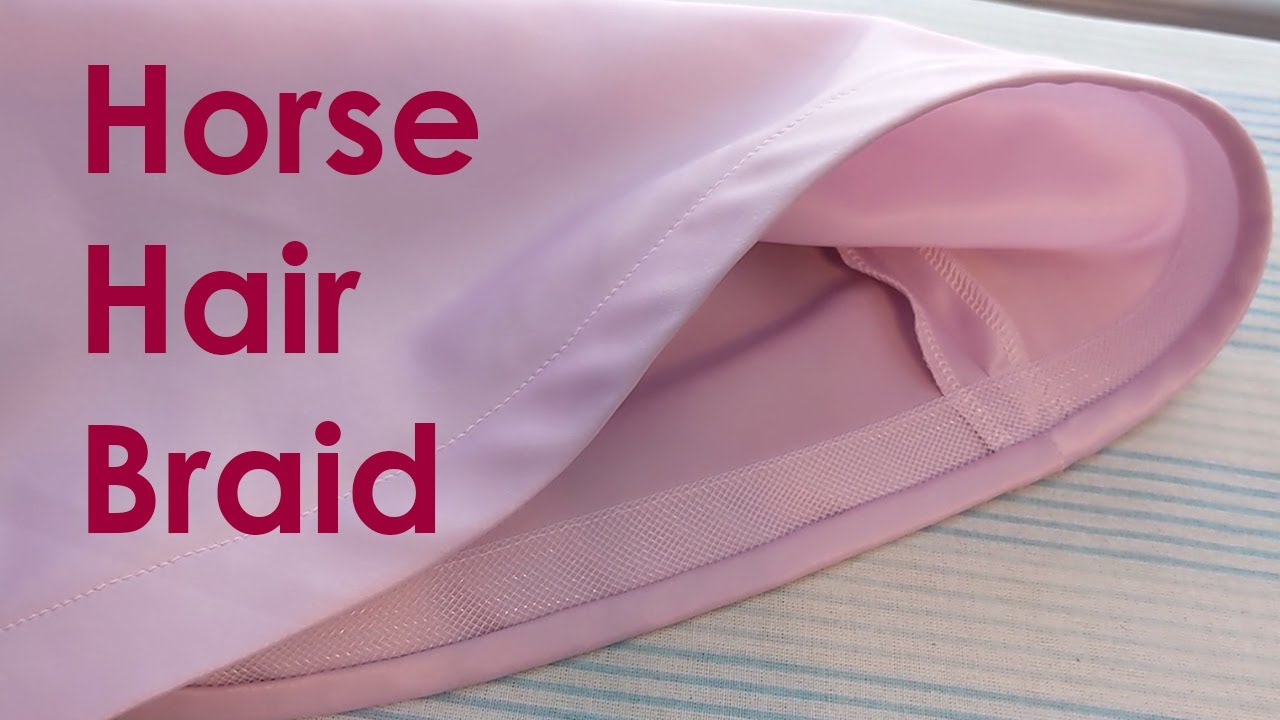
- Horsehair Braid (Optional): This is a type of stiff, mesh-like trim that can be sewn into the hem of your skirt layers. It provides body and creates a beautiful, undulating wave, enhancing the architectural feel of your A-line skirt. It's a professional touch that adds significant impact.
- Bustle Components (Optional): As seen in the video, you might want a way to lift the skirt's train for dancing. This typically involves a few small, clear buttons sewn to the outside of the skirt and discreet loops of thread or ribbon to hook over them.
4. Specialized Tools for a Professional Finish
While you have a basic sewing kit, working with delicate bridal silks and constructing a complex garment is made much easier—and the results far better—with a few specialized tools.
Essential Tools Every Wedding Dressmaker Needs in the Atelier
The article 'Essential Tools Every Wedding Dressmaker Needs in the Atelier' gives a great overview of a professional setup. We'll use it as a checklist to identify key tools for your project.
Read the sections on 'Essential Cutting and Trimming Tools', 'Pressing Tools for Professional Finishes', and 'High-Quality Pins and Needles'. Focus on the descriptions of rotary cutters, tailor's hams, and fine pins.
Based on that reading and the specific needs of your project, here are the key tools to add to your list:
- Cutting Tools: For the silk organza and chiffon, a rotary cutter, self-healing mat, and pattern weights are far superior to scissors for achieving clean, accurate cuts without shifting the fabric. For your other fabrics, a pair of dedicated, high-quality fabric shears (8-10 inches) is essential.
- Sewing Machine Needles: Use Microtex (or "Sharp") needles in a fine size like 70/10 or 65/9. These have a very fine, sharp point designed to pierce delicate, tightly woven fabrics like silk without snagging or creating pulls.
- Pressing Tools: Professional pressing is the secret to a high-end finish.
- Tailor's Ham: A tightly packed cushion that allows you to press curved seams, like those in your bodice, and maintain their shape.
- Silk Organza Press Cloth: A piece of silk organza (you can use a scrap from your project) placed between your iron and your fabric to prevent shine or heat damage.
- Pins: Use fine, sharp dressmaker's pins or silk pins. They will glide through your delicate fabrics without leaving holes or snagging threads.
This next video offers some more great, practical suggestions for tools that a professional dressmaker relies on, including the boning we just discussed.
10 Sewing Tools and Equipment I Need in my Sewing Studio
In '10 Sewing Tools and Equipment I Need', Amanda Nicole discusses her must-have items for professional dressmaking. Her insights on boning and pressing tools are particularly relevant.
Watch from 00:54 to 01:54 to hear about a specialized pressing tool for bodices, and from 11:21 to 12:45 for a practical look at the different types of boning used in structured garments.
5. Your Complete Materials Checklist
You now have all the information needed to create your master shopping list. Use the template below to organize your list. This will be your guide for sourcing everything you need.
Wedding Dress Materials & Tools Checklist
1. Fabrics
(Transfer your final yardage calculations from the previous lesson here)
- Bodice Shell Fabric: (e.g., Silk Crepe): _______ meters/yards
- Bodice Pleating Fabric: (If different from shell): _______ meters/yards
- Skirt Underlining: _______ meters/yards
- Skirt Sheer Overlays: (e.g., Silk Organza): _______ meters/yards
- Bodice Lining: (e.g., Silk/Cotton Voile): _______ meters/yards
2. Notions (Structural)
- Thread to match each fabric
- Spiral Steel Boning (1/4" or 1/2" width): _______ meters/yards
- Flat Steel Boning (1/4" or 1/2" width): _______ meters/yards
- Boning Casing: _______ meters/yards
- Boning Tips (caps)
- Waist Stay (1" wide Petersham or Grosgrain ribbon): _______ (your waist measurement + 4 inches)
- Lightweight Fusible or Sew-in Interfacing
3. Notions (Closures & Finishing)
- 22" Invisible Zipper
- 1x Heavy-duty hook and eye set
- Horsehair Braid for hem (Optional): _______ meters/yards
- Small buttons/beads for bustle (Optional)
4. Specialized Tools
- Rotary Cutter (45mm) & Self-Healing Mat
- Pattern Weights
- High-quality Fabric Shears
- Microtex/Sharp Sewing Machine Needles (Sizes 65/9, 70/10)
- Tailor's Ham
- Silk Organza Press Cloth
- Fine Dressmaker's or Silk Pins
Conclusion
Congratulations! You have now completed the entire planning and detailing phase of your project. By creating this comprehensive materials list, you've turned your design vision into a concrete and actionable plan. You know what fabrics you need, how much you need, what internal components will give it shape, and what specialized tools will help you execute it beautifully.
Key Takeaways:
- A complete materials list includes fabrics, a wide range of notions for structure and function, and specialized tools.
- For a strapless bodice, boning (spiral and flat steel), a waist stay, and interfacing are the most critical structural notions.
- Specialized tools like rotary cutters, microtex needles, and a tailor's ham are key investments for achieving a professional finish on delicate bridal fabrics.
With this list in hand, you are ready to start sourcing your materials. Our next module marks a major milestone: we will begin the actual construction of your gown, starting with the signature detail of your design—the pleated bodice.