Introduction
Welcome to our next lesson on Ritucharya. In our previous session, we established the critical skill of adapting seasonal regimens to diverse geographical and climatic zones (Desha) using the principle of Desha-Viparyaya. You learned to move beyond a fixed calendar and apply Yukti (reasoned application) to prescribe regimens with qualities opposite to the prevailing environment.
Today, we will build upon that foundation by focusing on a core objective of Swasthawritta: prevention. Our learning outcome is to design season-specific preventive protocols for common Ritu-related disorders. We will move from general seasonal advice to targeted strategies for preventing specific ailments that predictably arise during certain times of the year.
We will deconstruct the pathogenesis (Samprapti) of two classic seasonal challenges:
- Kapha-related allergic conditions (e.g., rhinitis, bronchitis) in Vasanta Ritu (Spring).
- Digestive disturbances and infections in Varsha Ritu (Monsoon).
By understanding the "why," you will learn "how" to design effective preventive protocols using diet (Ahara), lifestyle (Vihara), and evidence-supported herbal interventions (Aushadhi).
1. Preventive Protocol for Vasanta Ritu Disorders
The arrival of spring (Vasanta Ritu), while pleasant, is notorious for triggering allergies, congestion, and respiratory issues. From an Ayurvedic perspective, this is not a surprise but a predictable outcome of seasonal Dosha dynamics.
The Pathogenesis (Samprapti) of Spring Allergies
- Sanchaya (Accumulation): During the cold, heavy seasons of Hemanta and Shishira (late autumn and winter), the body naturally accumulates Kapha Dosha due to the similar qualities of the environment. This Kapha remains in a solidified, dormant state.
- Prakopa (Aggravation): As the sun's warmth increases in Vasanta, this accumulated Kapha begins to liquefy, much like snow melting on a mountain.
- Prasara (Spread): This liquefied Kapha overflows from its primary site in the stomach (Amashaya) and spreads throughout the body, particularly to the upper respiratory tract, obstructing the channels (Srotorodha) and giving rise to symptoms like rhinitis (Pratishyaya), cough (Kasa), and sinusitis.
Our preventive strategy, therefore, must focus on eliminating this excess Kapha before it can cause disease.
Protocol Component 1: Ritu Shodhana (Seasonal Purification)
The most definitive preventive measure for Vasanta is Vamana Karma (therapeutic emesis), specifically termed Vasantika Vamana. Its purpose is to physically expel the accumulated and aggravated Kapha from the body, cleansing its primary site and preventing the entire pathogenic cascade.
To understand the classical procedure and its rationale, let's turn to a research article that studied its application.
A study on Vasantika Vamana (therapeutic emesis in ...
The paper 'A study on Vasantika Vamana...' provides an excellent overview of this preventive procedure. We will focus on the principles and methodology.
Please read the following sections: the 'Introduction' to understand the context of seasonal Panchakarma. Then, read 'Definition of Vamana', 'Vasantika Vamana', and the list of indications under 'Vasantika Vamana–Contra-Indications/Indications'. Finally, review the procedural steps described under 'Purva Karma', 'Pradhana Karma', and 'Pashchata Karma'. Focus on the 'why' behind each step of the protocol (e.g., Snehapana, Swedana, Samsarjana Krama).
As you've read, Vasantika Vamana is a comprehensive protocol designed for individuals, especially of Kapha or Kapha-Pitta Prakruti, and those with a history of disorders like allergic bronchitis, rhinitis, sinusitis, and asthma. It's the gold standard for spring-time prevention.
Protocol Component 2: Shamana (Palliative) Regimen
For patients who are unwilling or unsuitable for Vamana, a strict palliative regimen is essential. This approach uses diet, lifestyle, and simple herbs to pacify Kapha and prevent its aggravation.
1. Ahara (Diet):
- Taste Profile: Emphasize foods that are Katu (pungent), Tikta (bitter), and Kashaya (astringent). These tastes have drying and lightening effects that counteract Kapha.
- Qualities: Food should be Laghu (light), Ruksha (dry), and Ushna (warm).
- Specific Recommendations:
- Grains: Barley (Yava), old rice, millets.
- Pulses: Lentils, mung beans.
- Vegetables: Bitter gourd, pointed gourd, leafy greens that are bitter (e.g., fenugreek). Cook them with spices.
- Spices: Ginger, black pepper, turmeric, long pepper (Pippali).
- Liquids: Drink warm water, ginger tea, or water with honey. Honey is an excellent Yogavahi (catalyst) and has Kapha-lekhana (scraping) properties.
- Foods to Avoid: Heavy, oily, cold, sweet, and sour foods. This includes dairy products (especially cheese and yogurt), fried foods, wheat products in excess, and cold drinks.
2. Vihara (Lifestyle):
- Vyayama (Exercise): Regular, vigorous exercise is crucial to increase metabolism, promote heat, and reduce Kapha. Aim for activities that induce sweating.
- Udvartana (Dry Powder Massage): Massaging the body with herbal powders (like chickpea flour or specialized udvartana churna) before bathing helps liquefy subcutaneous fat, improves circulation, and imparts lightness to the body.
- Avoid Diva Swapna (Day Sleep): Sleeping during the day is strictly contraindicated as it directly increases Kapha.
2. Preventive Protocol for Varsha Ritu Disorders
The monsoon season, or Varsha Ritu, brings a different set of challenges. The damp, cool environment weakens digestive power and aggravates Vata Dosha, leading to a state of compromised strength and immunity.
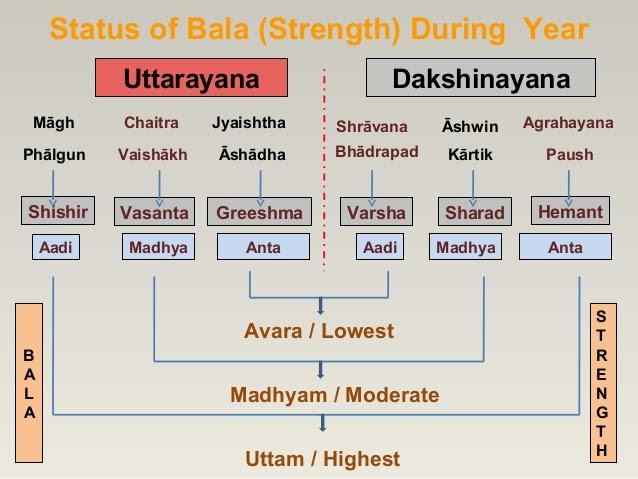
The Pathogenesis (Samprapti) of Monsoon Ailments
- Mandagni (Weak Digestive Fire): The atmospheric humidity (Kleda) and the natural sourness (Amla Vipaka) of rainwater weaken the digestive fire.
- Vata Prakopa (Vata Aggravation): The cold and dryness of the earth (parched from summer) contribute to Vata aggravation.
- Pitta Sanchaya (Pitta Accumulation): The acidic environment leads to the accumulation of Pitta Dosha.
- Low Bala (Immunity): The combined effect of these factors leads to a state of generalized low strength.
This triad of weak digestion, Vata imbalance, and low immunity makes the body a fertile ground for digestive issues (Ajeerna, Visuchika) and infectious diseases (Jwara). Our preventive goal is to support Agni, pacify Vata, and enhance Bala.
Protocol Component 1: A Specific Herbal Intervention - Rituharitaki
A simple, effective, and evidence-based preventive measure for Varsha Ritu is the practice of Rituharitaki. Let's examine a clinical study that evaluated this specific protocol.
Efficacy of Rituharitaki (seasonal adjuvant of Haritaki) on ...
The paper 'Efficacy of Rituharitaki...' is a randomized controlled trial that provides excellent clinical evidence for a classical preventive practice. It will form the core of our preventive protocol for the monsoon.
Please read the 'Abstract' for a complete overview. Then, read the 'Introduction' to understand the problem of monsoon epidemics and the Ayurvedic rationale. Pay close attention to the 'Materials and Methods' section to identify the exact intervention (Drug, Prakshepa, Anupana, Time). Finally, read the 'Discussion' to understand the proposed mechanism of action (Rasayana, Agnivardhana, Tridosha Shamana) and the section 'Evaluation of disease incidence in Varsha Ritu'.
From your reading, you have a precise, evidence-supported protocol:
- Drug: Haritaki (Terminalia chebula)
- Adjuvant (Prakshepa): Saindhava Lavana (Rock Salt)
- Vehicle (Anupana): Ushnodaka (Lukewarm Water)
- Time: Morning, on an empty stomach.
- Rationale: The study highlights that this combination is Tridosha Shamana (pacifies all three doshas), Agnivardhana (improves digestion), and acts as a Rasayana (rejuvenative/immunomodulator). This directly counters the pathogenesis of monsoon ailments by strengthening Agni and Bala. The results showed a significant reduction in the incidence of common cold, cough, and fever.
Protocol Component 2: Ahara & Vihara (Diet and Lifestyle)
The Rituharitaki protocol should be supported by appropriate diet and lifestyle.
1. Ahara (Diet):
- Taste Profile: Favor Madhura (sweet), Amla (sour), and Lavana (salty) tastes, as they pacify Vata and stimulate Agni.
- Qualities: Food should be light, warm, and preferably unctuous (Snigdha) with ghee.
- Specific Recommendations:
- Consume old barley, rice, and wheat.
- Include medicated soups (Yusha) made from mung beans.
- Drink water boiled with spices like ginger or coriander, or use Shadanga Paniya.
- Use honey in moderation.
- Foods to Avoid: Avoid uncooked foods, salads, leafy vegetables (which can be contaminated and are hard to digest), curds, and heavy-to-digest items.
2. Vihara (Lifestyle):
- Stay warm and dry. Avoid getting wet in the rain and exposure to cold drafts.
- Use Dhupana (fumigation) with antimicrobial herbs like Guggulu, Vacha, and neem to keep living spaces clean.
- Avoid excessive exertion (Ati-vyayama).
- While Basti Karma (medicated enema) is the recommended Ritu Shodhana for Varsha Ritu to control Vata, the daily regimen above serves as an excellent and more accessible preventive strategy.
Test your understanding!
Case 1: A 28-year-old software engineer with a Kapha Prakruti living in Bengaluru complains of debilitating allergic rhinitis and heaviness in his head every year from late February to April. He is otherwise healthy but wants to prevent this year's episode. He is hesitant about undergoing major procedures. Based on today's lesson, design a practical, preventive Shamana protocol for him.
Show answer
Preventive Protocol for Vasanta Ritu (Shamana Approach):
- Timing: The protocol should begin in mid-February, before symptoms typically start.
- Ahara (Diet):
- Eliminate: Strictly advise him to stop consuming dairy (milk, cheese, yogurt), cold drinks, ice cream, fried foods, and heavy sweets.
- Incorporate: Recommend a diet rich in barley, millets, and warm vegetable soups. His meals should be spiced with ginger, black pepper, and turmeric.
- Hydration: He should sip warm water or ginger-lemon-honey tea throughout the day.
- Vihara (Lifestyle):
- Exercise: Prescribe 30-45 minutes of vigorous exercise daily (e.g., brisk walking, cycling, or Surya Namaskar) to the point of light sweating.
- Massage: Recommend Udvartana (dry powder massage) with chickpea flour mixed with a little turmeric before his shower, at least 3 times a week.
- Sleep: Advise him to avoid sleeping during the day under any circumstances.
- Aushadhi (Herbal Support):
- A simple and effective measure would be to take 1/2 teaspoon of Trikatu Churna mixed with 1 teaspoon of honey twice a day before meals to bolster Agni and dry out excess Kapha.
This combination of diet, lifestyle, and simple herbal support directly counteracts the qualities of Kapha, aiming to pacify it and prevent the allergic manifestation.
Conclusion
Today, we have transitioned from theoretical adaptation to practical, preventive clinical design. By analyzing the seasonal pathogenesis of common disorders, you can now construct targeted protocols to maintain health.
Key Takeaways:
- Preventive protocols in Ayurveda are designed by anticipating and counteracting seasonal Dosha imbalances.
- For Vasanta Ritu allergies, the primary goal is to eliminate or pacify the accumulated Kapha. This is best achieved with Vasantika Vamana or, alternatively, a strict regimen of Kapha-pacifying diet and lifestyle.
- For Varsha Ritu ailments, the goal is to strengthen Agni, pacify Vata, and enhance Bala. The Rituharitaki protocol, supported by an Agni-deepening diet, is an evidence-based and effective strategy.
- These protocols are not just suggestions but are rooted in a deep understanding of Samprapti (pathogenesis), making them potent tools in preventive medicine.
Preview of the Next Lesson:
Having mastered preventive protocols for healthy individuals, we will now increase the clinical complexity. In our next lesson, we will address the learning outcome: "Develop a modified Ritucharya plan for a patient with a chronic disease (e.g., Amavata) during a specific season, using a case study." We will explore how seasonal changes can exacerbate chronic conditions and how to adapt Ritucharya to manage disease activity and improve the patient's quality of life throughout the year.