Introduction
Welcome to the final lesson in our module on Rasayana and Yoga. In previous lessons, we have methodically built our toolkit. We started by classifying Rasayanas and selecting them for specific profiles. We then did the same for Yoga, analyzing how to choose Doshahara Asanas and Pranayama techniques based on their fundamental qualities and effects.
Today, we bring all these elements together. Our learning outcome is to integrate a simple Yoga and Rasayana regimen into a comprehensive Dinacharya plan for a patient. This lesson is about synthesis and practical application. We will move from having a list of appropriate therapies to creating a coherent, synergistic daily schedule that a patient can realistically follow. This process of integration is a cornerstone of effective Swasthavritta practice, enabling you to translate therapeutic principles into a lived reality for your patients.
1. The Framework: Dinacharya as a Chronobiological Schedule
Before we can insert any new practice into a patient's day, we need a structure. In Ayurveda, that structure is Dinacharya, the daily regimen designed to align our internal biological clocks with the cycles of nature. Your BAMS education has already provided you with the foundations of Dinacharya; here, we will view it through the lens of a "chronobiological template."
The timings of Dinacharya are not arbitrary; they are based on the predominant Dosha at different times of the day, which influences our physiology. Understanding this provides the rationale for when to perform certain activities.
To refresh and deepen this concept, let's examine a resource that connects Ayurvedic principles with modern chronobiology.
Original Research Paper Medical Science
The research paper 'Ayurvedic perspectives on the physiology of circadian rhythms' provides a concise and highly relevant framework. We will focus on the table that outlines a Doshic clock for daily activities.
Please study Table 4: 'Ayurvedic Lifestyle Guidelines Based on Dosha Chronobiology'. This table breaks down the 24-hour cycle into six four-hour periods, each dominated by a specific Dosha. Pay close attention to the 'Recommended Routine' and 'Purpose/Benefits' for each time block. This table will serve as our primary schematic for integrating other practices.
As you can see from the table, the day is naturally segmented:
- 2 AM - 6 AM (Vata): Ideal for waking, meditation, and elimination. The mind is clear and receptive.
- 6 AM - 10 AM (Kapha): Ideal for stimulating activity like exercise (Vyayama) to counter Kapha's heavy, slow nature.
- 10 AM - 2 PM (Pitta): The period of strongest Agni, ideal for the main meal.
- The cycle repeats in the afternoon and night.
This Doshic clock provides the "why" and "when" for structuring a patient's entire day. Now, let's see where our specific interventions fit.
2. Integrating a Rasayana Regimen
Rasayana Chikitsa is not merely about taking an herbal formula; it's about creating the optimal conditions for rejuvenation. The timing of administration is a key part of this.
When to take Rasayana?
Classical texts, like Charaka Samhita (Chikitsa Sthana 1.1.25), advocate for administering Rasayana on an empty stomach (pratah, anannabhuktasya), typically in the morning. This allows for maximum absorption and assimilation without interference from other food metabolism.
Looking at our Dinacharya framework from Table 4, the ideal time is during the early morning Vata period (before 6 AM), after waking and attending to natural urges.
Why take Rasayana daily?
The purpose of Rasayana in Swasthavritta is Swasthasya Urjaskaram—promoting the vitality of a healthy person. It is a proactive measure for building resilience (Bala), enhancing mental function (Medha), and promoting longevity (Vayasthapana). Modern research is beginning to validate these concepts.
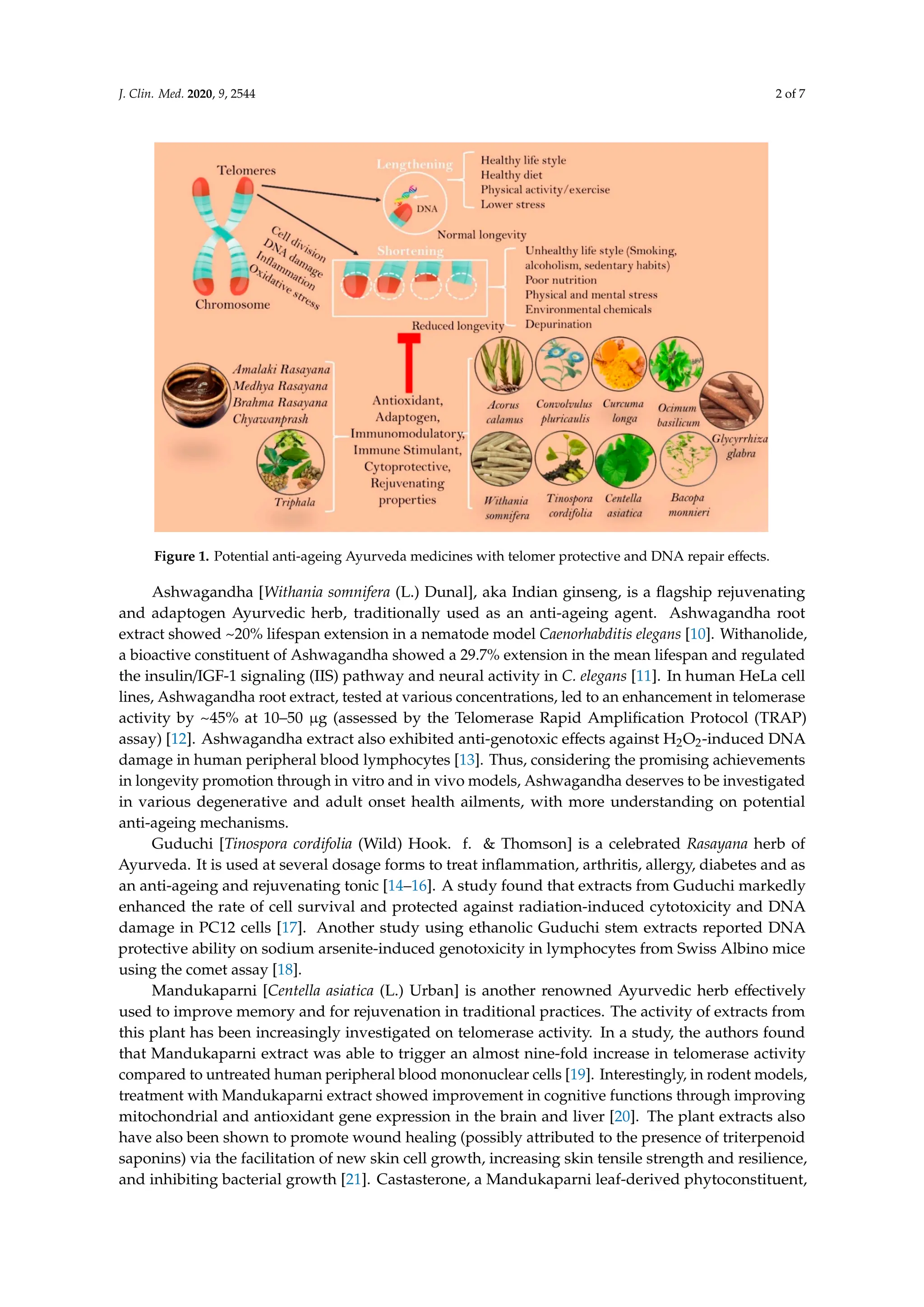
By integrating a daily Rasayana, you are not just treating a symptom; you are intervening in the fundamental processes of health and aging. For example, taking Brahma Rasayana or Amalaki Rasayana in the morning becomes a foundational act of self-care for the day ahead.
3. Integrating a Yoga and Pranayama Regimen
Similar to Rasayana, the timing of Yoga practice is crucial for maximizing its benefits.
When to practice Yoga and Pranayama?
Referring back to our Dinacharya framework (Table 4 from resource LINK):
- Pranayama & Meditation: The Vata period (2 AM - 6 AM), specifically Brahma Muhurta, is unparalleled. The mind is naturally quieter and more Sattvic, making it highly conducive to subtle practices like Nadi Shodhana or simple meditation.
- Asana (Vyayama): The Kapha period (6 AM - 10 AM) is the prime time for physical exercise. The body has some stability from Kapha, but the goal is to introduce dynamism, heat, and movement to counteract Kapha's inherent tendency toward sluggishness and congestion. A vigorous Surya Namaskar or a Doshically-appropriate Asana sequence is perfect here.
The Synergy of Integration
There is a powerful synergy when these practices are sequenced correctly:
- Waking & Elimination (Vata time): Clears the physical channels.
- Rasayana Administration (Vata time): The body is clean and receptive.
- Pranayama/Meditation (Vata time): Clears the mental and pranic channels (Manovaha and Pranavaha Srotas).
- Asana Practice (Kapha time): Stimulates circulation and Agni, further enhancing the distribution and action of the Rasayana taken earlier.
This sequence prepares the body and mind optimally for the day.
4. Putting it All Together: A Case-Based Approach
Theory is useful, but clinical application is the goal. Let's create an integrated plan using a hypothetical case.
Case Profile:
- Patient: A 42-year-old female teacher with a Vata-Pitta constitution.
- Chief Complaints: Experiences anxiety, mental fatigue ("brain fog") by the afternoon, interrupted sleep, and a tendency towards acidity if she misses meals.
- Goal: To improve mental clarity, manage stress, and maintain consistent energy levels throughout theday.
Step 1: Select the Interventions (Based on previous lessons)
- Rasayana: Medhya Rasayana is indicated for mental fatigue and anxiety. Brahma Rasayana is an excellent choice, as it supports cognitive function and is a general rejuvenative. It is not overly heating, making it suitable for her Pitta aspect.
- Yoga/Pranayama:
- Pranayama: Nadi Shodhana is paramount to balance the nervous system and pacify Vata. Bhramari in the evening would be excellent to calm the mind before sleep.
- Asana: A slow, mindful Vinyasa flow focusing on grounding poses to pacify Vata (e.g., gentle forward bends, hip openers) and avoiding overly heating or competitive sequences that would aggravate Pitta.
Step 2: Integrate into a Simple Dinacharya Plan
Here is a sample schedule you could co-create with the patient:
| Time | Predominant Dosha | Activity | Rationale for Integration |
|---|---|---|---|
| 6:00 AM | Vata -> Kapha | Wake up, scraping tongue, elimination. | Aligns with natural urges in Vata kala. |
| 6:15 AM | Kapha | Drink a glass of warm water, take 1 tsp Brahma Rasayana. | Rasayana on an empty stomach for optimal absorption. |
| 6:30 AM | Kapha | Nadi Shodhana (5-10 minutes). | Calms Vata's morning activity, balances Prana, prepares the mind. |
| 6:45 AM | Kapha | Gentle Asana Practice (20-30 minutes). | Stimulates circulation and counters Kapha inertia without aggravating Pitta. Warms the body for the day. |
| 7:30 AM | Kapha | Abhyanga (self-massage) followed by Snana (bath). | Calms Vata, nourishes skin. |
| 8:30 AM | Kapha | Light, warm breakfast. | Supports Agni stimulated by the morning's activities. |
| ... | ... | ... | ... |
| 9:00 PM | Kapha | Bhramari Pranayama (5 minutes) before bed. | Soothes the nervous system, disconnects from the day's stress, promotes sound sleep (pacifies Vata). |
This plan is simple, targeted, and synergistic. The morning routine establishes a calm, centered state, and the evening routine ensures restorative rest.
Test your understanding!
Consider a 28-year-old patient with a Kapha constitution who complains of lethargy, weight gain, and sinus congestion, especially in the mornings. Their goal is to feel more energetic and lose weight.
Based on the integration principles, which of the following morning routines would be most appropriate? Briefly outline an integrated morning plan for them.
- Rasayana options: Trikatu Churna (as a Deepana/Pachana, not a classical Rasayana), Chyawanprash.
- Pranayama options: Bhastrika, Shitali.
- Asana options: Restorative yin yoga, Dynamic Surya Namaskar.
Show answer
The most appropriate interventions would be Chyawanprash (as it is a pramathi - clearing - Rasayana), Bhastrika Pranayama, and Dynamic Surya Namaskar.
Integrated Morning Plan:
- 6:00 AM: Wake up, elimination.
- 6:15 AM: Take 1 tsp of Chyawanprash with warm water and a pinch of Trikatu or ginger powder to kindle Agni.
- 6:30 AM: Practice Bhastrika Pranayama (3 rounds) followed by Dynamic Surya Namaskar (10-15 minutes).
- 7:00 AM: Dry brush the skin (Udgharshana) followed by a warm shower.
Rationale: This routine is specifically designed to counteract Kapha's qualities. Bhastrika is heating and clearing, Surya Namaskar is stimulating and mobilising, and Chyawanprash with a heating anupana supports metabolism and clears Srotas. This creates a powerful, synergistic effect to combat morning lethargy and congestion. Shitali and yin yoga would be strongly contraindicated as they would increase Kapha.
5. Integration in Practice: An Evidence-Based Example
The principles of integration are not just theoretical. Let's look at a published case report that successfully applied a similar multimodal approach.
Multimodal Ayurveda and Yoga intervention in mixed...
The case report titled 'Multimodal Ayurveda and Yoga intervention in mixed...' provides an excellent real-world example of integrating Rasayana and Yoga for a mental health condition, aligning perfectly with our case study.
Please read the 'THERAPEUTIC INTERVENTION' and 'DISCUSSION' sections. As you read, identify: The specific Rasayana and Yoga practices used. The prescribed timing and any practical modifications made for the patient. The authors' explanation for why this combination was effective (the synergistic effect).
As you would have noted from the paper:
- Interventions: The patient received Brahma Rasayana and was advised to practice Nadi Shuddhi Pranayama.
- Integration & Adaptation: The ideal time for Pranayama was advised as morning (5-7 AM), but due to the patient's irregular job as a police officer, he was permitted to do it at any convenient time on an empty stomach. This is a critical clinical lesson: the perfect plan must be adapted to become the patient's practical plan.
- Synergy: The discussion highlights how Brahma Rasayana supported cognitive function and resilience, while Nadi Shuddhi balanced the autonomic nervous system to reduce stress. Together, they provided a holistic effect on the patient's psychological and physical well-being.
This case reinforces that integrating a simple Rasayana with a targeted Pranayama, within a flexible daily schedule, can yield significant clinical results.
Conclusion
In this lesson, we have moved from selecting individual therapies to skillfully weaving them into the fabric of a patient's daily life. By using Dinacharya as our chronobiological framework, we can place Rasayana and Yoga practices at the most opportune times to create a powerful, synergistic effect that promotes sustained health and well-being.
Key Takeaways:
- Dinacharya is the structural framework for integrating health practices, using the Doshic clock to determine the optimal timing for activities.
- Rasayana is best taken in the early morning on an empty stomach (Vata time) to maximize absorption and rejuvenation.
- Pranayama and meditation are ideal in the calm of the early morning (Vata time), while more dynamic Asana practice is suited for the later morning (Kapha time) to build energy for the day.
- Successful clinical integration requires creating a plan that is not only theoretically sound but also practical and adaptable to the patient's individual life circumstances.
Preview of the Next Module:
You have now completed the module on "Rasayana and Yoga in Preventive Healthcare." You have learned to analyze, select, and integrate these powerful tools into clinical protocols. The next logical question for a clinician and researcher is, "How do we measure if these interventions are working?"
Therefore, our next module, "Foundations of Research in Swasthawritta," will equip you with the skills to answer that question. We will begin by differentiating between various research designs to understand how to scientifically study the effectiveness of the very Swasthavritta interventions you have just learned to formulate.