Introduction
In our previous lesson, we explored how the state seeks to exert control in the digital realm through regulations like the IT Rules 2021, examining the delicate balance between ensuring security and protecting civil liberties. Today, we conclude our module on state power by shifting our focus from legal frameworks to institutional instruments. We will analyze one of the most persistent and politically charged accusations in contemporary India: the 'weaponization of agencies.'
This lesson directly addresses the learning outcome: Analyze the opposition's charge of 'weaponization of agencies' by examining the role and actions of the Enforcement Directorate (ED) and the Central Bureau of Investigation (CBI). We will dissect the mandates of these powerful investigative bodies, examine the statistical evidence behind the claims of their misuse, and understand the specific legal provisions that make them such formidable tools in the political arena.
The Anatomy of India's Premier Investigative Agencies
Before we can analyze the charge of 'weaponization,' we must first understand the agencies themselves. The CBI and the ED are the two premier central agencies tasked with investigating corruption and financial crimes, but they operate under different laws, report to different ministries, and possess distinct powers.
The following resource provides an excellent overview of their structure, jurisdiction, and legal foundations. Understanding these differences is key to appreciating why the ED, in particular, has become so prominent in recent political discourse.
ED & CBI - Jurisdication, Powers & Controversies - NEXT IAS
This article from NEXT IAS offers a clear, comparative breakdown of the Enforcement Directorate and the Central Bureau of Investigation.
Please read the following sections to build a foundational understanding of these agencies: Begin with the table under the heading "Highlight the key differences & similarities between ED and CBI?". Focus on their parent ministries, legal status (note that neither is a statutory body), and jurisdiction. Pay close attention to the CBI's need for state consent versus the ED's nationwide authority. Next, review the table under "What are the Constitution/Legal provisions for ED/CBI?" to understand the specific acts that empower each agency, primarily the PMLA for the ED and the DSPE Act for the CBI. Finally, read the section titled "Is ED more powerful than CBI?". This part highlights the ED's extensive powers, such as the ability to summon individuals, attach assets, and operate without state government consent.
From this reading, two crucial distinctions emerge:
- Administrative Control & Jurisdiction: The CBI, under the Ministry of Personnel, generally requires consent from a state government to investigate cases within that state's territory. This dependency has led to it being famously called a "caged parrot" that can be blocked by uncooperative state governments. The ED, under the Ministry of Finance, faces no such constraint and has pan-India jurisdiction to enforce the Prevention of Money Laundering Act (PMLA) and the Foreign Exchange Management Act (FEMA).
- Nature of Crime: While both tackle economic crimes, the CBI's primary focus is on corruption (under the Prevention of Corruption Act) and major criminal cases. The ED's core mandate is to investigate money laundering—the process of making "dirty" money obtained from criminal activities appear "clean."
The "Weaponization" Charge: A Statistical Examination
The central allegation from opposition parties is that these agencies, particularly since 2014, have been systematically used to target political rivals of the ruling BJP, while turning a blind eye to alleged wrongdoing by its own members. This is not merely an anecdotal claim; several media analyses have compiled data to assess its validity.
The images below depict recent, high-profile cases involving the ED and CBI against opposition-led state governments, illustrating the kind of events that fuel these accusations.

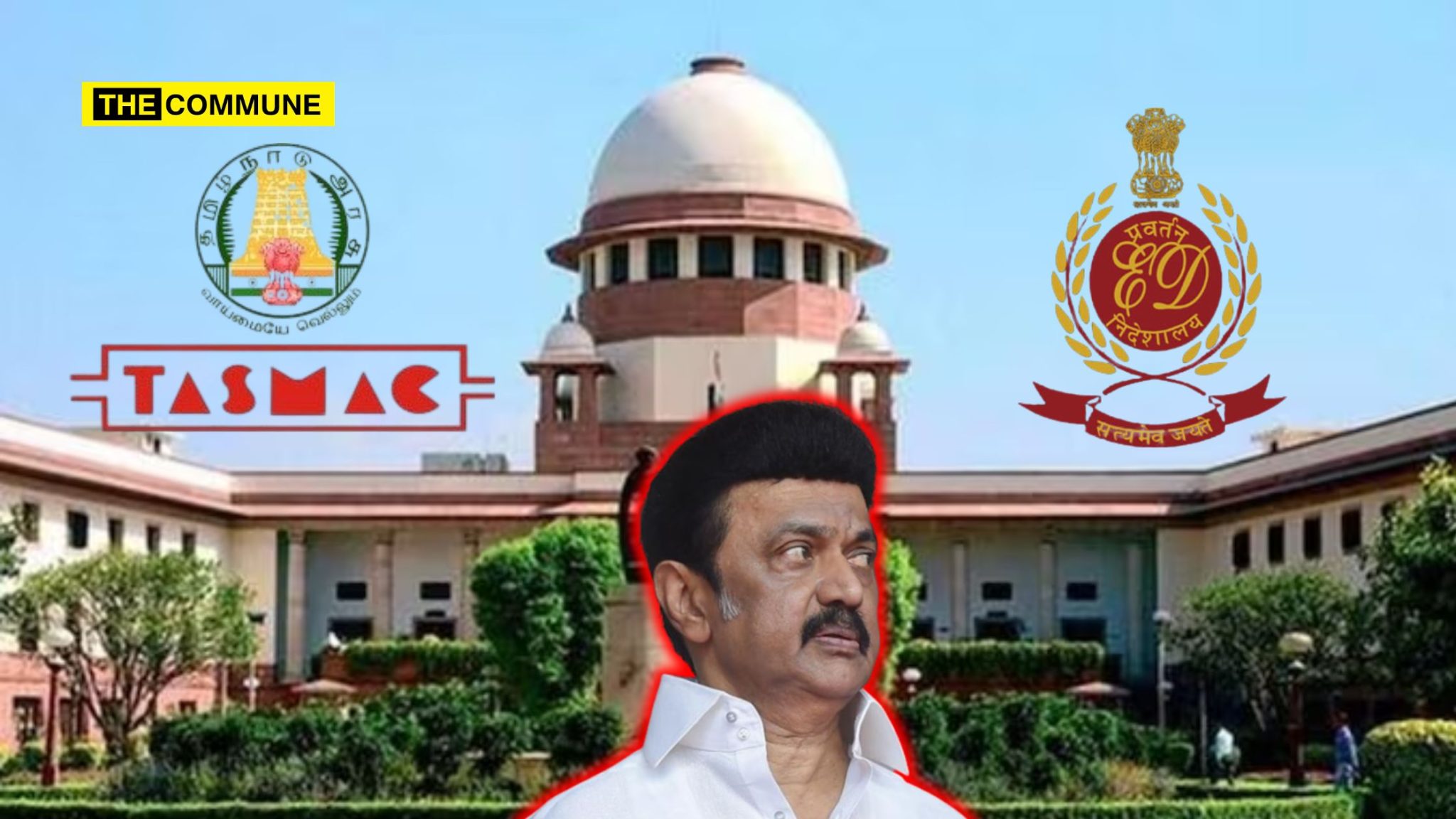
To move beyond individual cases and analyze the pattern, the following investigative report from NDTV provides a stark statistical comparison of agency actions under different governments.
Under BJP Government, Cases Against Political Rivals Explode
This NDTV analysis compiles data on central agency actions against political figures, critics, and media, comparing the periods of the UPA-2 and NDA governments.
As you read, focus on the quantitative evidence presented: Start with the introductory paragraphs to grasp the scope of the analysis, from the massive spike in cases against rivals since 2014. Carefully examine the detailed statistical breakdown comparing the UPA-2 and Modi governments. Pay attention to the absolute numbers of rivals targeted, the ratio of actions against rivals versus the 'home team,' and the five-fold increase in the latter. Note the chart that lists which opposition parties have been targeted most. Finally, read the section that includes direct quotes from BJP politicians, such as Harshvardhan Patil's comment that he now gets "sound sleep" after joining the party. This provides anecdotal support for the "protection" theory.
The data from this analysis, along with similar findings from other reports, forms the evidentiary backbone of the "weaponization" charge. The key findings suggest a disproportionate focus on opposition politicians. According to an analysis published in The Indian Express and referenced in the NEXT IAS article, between 2014 and 2022, 95% of the prominent politicians booked by the ED were from opposition parties.
Why is the ED Considered So Potent?
The statistical pattern alone does not explain why an ED investigation is considered such a potent political weapon. The answer lies in the extraordinary powers granted to the agency under the Prevention of Money Laundering Act (PMLA), which the Supreme Court upheld in a 2022 judgment.
The following resource details these powers, which distinguish the ED from both regular police and the CBI.
ED & CBI - Jurisdication, Powers & Controversies - NEXT IAS
This article from NEXT IAS also details the specific criticisms and controversies surrounding the agencies, focusing on the powers derived from the PMLA.
Please review the following sections to understand the legal tools at the ED's disposal: Read the section on criticisms, specifically the part detailing the ED's "Wide Powers." These three points are the core of what makes the PMLA so stringent. Also, note the issue of the Enforcement Case Information Report (ECIR), which, unlike a police FIR, is not required to be shared with the accused. Finally, briefly review the section on the appointment controversy, which highlights another avenue of alleged executive influence over the agency's leadership.
The unique and stringent provisions of the PMLA are crucial to understand:
- Statement as Evidence: Under Section 50 of the PMLA, any statement recorded by an ED officer is admissible as evidence in court. This is a significant departure from the Indian Evidence Act, under which a confession made to a police officer is not admissible.
- Burden of Proof: Section 24 of the PMLA shifts the burden of proof onto the accused. In a normal criminal trial, the accused is presumed innocent until proven guilty. Under PMLA, once the ED establishes that a person is connected to "proceeds of crime," it is up to the accused to prove their innocence.
- Stringent Bail Conditions: Section 45 makes getting bail extremely difficult. The court must be satisfied that there are "reasonable grounds for believing that he is not guilty of such an offence and that he is not likely to commit any offence while on bail." This twin-condition makes pre-trial detention the norm, not the exception.
These powers, combined with the ED's ability to attach property and assets even before a trial begins, create a situation where the investigative process itself can become a form of punishment, regardless of the final verdict. As the data shows, the conviction rate under PMLA is extremely low (less than 0.5%), yet the number of cases initiated has skyrocketed, leading critics to argue that the process is the punishment.
Conclusion
In this lesson, we have moved from the broad theme of state power to a specific analysis of the institutions that exercise it. We have examined the opposition's charge of 'weaponization of agencies' not as a mere political slogan, but as a claim supported by significant statistical evidence and rooted in the unique and stringent legal powers of the ED and CBI.
Key Takeaways:
- Distinct Mandates: The CBI and ED are distinct agencies with different legal frameworks and jurisdictions. The ED's pan-India jurisdiction and focus on money laundering have made it a central player.
- The Statistical Charge: Data analysis shows a significant increase in cases filed by central agencies against opposition politicians and government critics since 2014 compared to the previous government, with a very small number of cases against members of the ruling party or its allies.
- The Power of PMLA: The ED's potency as an investigative body stems from the exceptional provisions of the Prevention of Money Laundering Act, which reverse the burden of proof, make bail difficult, and allow statements to be used as evidence.
- Process as Punishment: The combination of these factors has led to the critique that the agencies are being "weaponized," where the grueling investigative process, prolonged pre-trial detention, and public trial-by-media serve as a political tool irrespective of the case's final outcome.
This analysis sets the stage for our next module, where we will examine the state of the political opposition in India. While we have focused today on the process of investigation, our upcoming lessons will delve into the substance of the allegations against opposition parties, including cases of alleged corruption and misgovernance in states like West Bengal, Delhi, and Kerala. This will provide a more complete picture, allowing us to evaluate both the claims of political witch-hunts and the counter-claims of endemic corruption.