Introduction
Welcome back to the final lesson in our course on leading large-scale transformation. In our last session, we identified the critical organizational systems—like performance management and rewards—that must be aligned to prevent "snap back" and ensure your transformation's new practices become permanent. You diagnosed how legacy systems can conflict with the agile, collaborative behaviors required by your target state.
Today, we move from diagnosis to design. Our learning outcome is to design a targeted intervention within one organizational system to embed a specific new practice. This is where the theoretical meets the practical. You will create a concrete plan to re-engineer a part of your organization's "operating system" to support and sustain the changes you are leading.
This lesson serves as a capstone, bringing together many threads from our course. We will combine principles of organizational design with behavioral science to craft an intervention that doesn't just change a process on paper, but genuinely shifts how people work.
1. From Conflict to Objective: Scoping Your Intervention
Before designing a solution, we must be crystal clear about the problem we're solving. In the last lesson's exercise, you identified conflicts between new agile ways of working and existing organizational systems. Let's select one of those conflicts as our focus.
A structured way to scope an intervention is to follow a clear process, moving from problem to institutionalization.

To define our objective, we can use a structured approach to analyze the gap between the current state and the desired future state for a specific stakeholder group.
[PDF] UBC ORGANIZATIONAL CHANGE MANAGEMENT QUICK START ...
The 'UBC ORGANIZATIONAL CHANGE MANAGEMENT QUICK START GUIDE' provides an excellent worksheet for this purpose. It helps formalize the need for change.
Please review the 'Change Needs Assessment Worksheet' section, specifically the questions in Table 4 (from page 13 to 15 of the PDF). Focus on questions 2 through 6: Current State, Desired (Future) State, Gap, Type of Impact, and Impact of Gap. You don't need to fill out the whole worksheet, just understand the logic.
Defining Your Intervention's Target
Let's apply this thinking. Consider a common conflict in transformations like yours: The existing performance management system rewards individual achievement, which undermines the collaboration required in new stream-aligned teams.
Using the logic from the UBC guide, we can scope our intervention:
- Stakeholder Group: Engineering teams and their managers.
- Current State: Performance is evaluated based on individual contributions, such as lines of code written or features completed by a single developer.
- Desired Future State: Performance is evaluated based on the team's ability to deliver customer value, collaborate effectively, and maintain the health of their service.
- The Gap: A shift from individual metrics to team-based outcomes and collaborative behaviors.
- Objective of our Intervention: To redesign elements of the performance management system to recognize, measure, and reward team-based contributions and collaboration.
With a clear objective, we can now move to designing the how.
2. Behavioral Design: Making the New Practice Stick
A process document alone doesn't change behavior. To embed a new practice, we need to make it easy, attractive, and socially reinforced. Behavioral science offers a powerful and practical framework for this called EAST.
How to PROPERLY design a nudge (Behavioral Economics)
The video 'How to PROPERLY design a nudge' by Pete Judo provides a clear, concise explanation of the EAST framework. It will be the foundation for our intervention design.
Please watch from the beginning to 06:29. As you watch, think about how each principle—Easy, Attractive, Social, and Timely—could be applied to our objective of embedding team-based performance practices.
Let's break down how EAST applies to our performance management intervention, drawing on examples of how modern companies are tackling this. The MIT Sloan Review article, "Performance Management's Digital Shift," provides excellent real-world cases.
Make it Easy
The path of least resistance should lead to the new behavior.
- Principle: Reduce friction and use smart defaults.
- Application: Change the default goal-setting template in your HR system from an individual form to a team-based OKR (Objectives and Key Results) template. Automate reminders for weekly team check-ins, as ADP did with its StandOut tool, making the new cadence of feedback effortless for managers.
Make it Attractive
People are more likely to adopt a behavior if there's a clear "what's in it for me?"
- Principle: Use incentives (not just money) and personalization.
- Application:
- Recognition: Create a highly visible, peer-to-peer recognition system, similar to GM's "social network for feedback," where employees can publicly praise teammates for great collaboration.
- Career Growth: Explicitly link the demonstration of collaborative skills and successful team outcomes to promotion criteria. Make it clear that the path to advancement is through teamwork.
Make it Social
We are heavily influenced by what our peers do.
- Principle: Leverage social norms and networks.
- Application:
- Visibility: Make team goals and progress visible to everyone on a shared dashboard. This creates positive peer pressure.
- Leadership Modeling: Ensure senior leaders publicly celebrate team successes and tell stories that exemplify the new collaborative culture. As the IBM case from the MIT article highlights, the shift in focus must be reinforced from the top.
Make it Timely
Interventions are most effective when they occur at the moment of decision-making.
- Principle: Prompt people at the right time and provide immediate feedback.
- Application:
- Nudges: Use automated tools to "nudge" managers before a one-on-one, suggesting they ask questions about team collaboration and contributions. ADP's Compass tool, which sends weekly email-based coaching, is a prime example of this.
- Real-time Feedback: Implement tools (e.g., in Slack or your project management software) that allow for immediate, in-the-moment feedback on collaborative actions, rather than waiting for a quarterly review.
Your background in implementing talent development systems is highly relevant here. You've seen how the design of a system's user interface and workflow can either encourage or discourage specific actions. The EAST framework gives you a structured way to be intentional about that design.
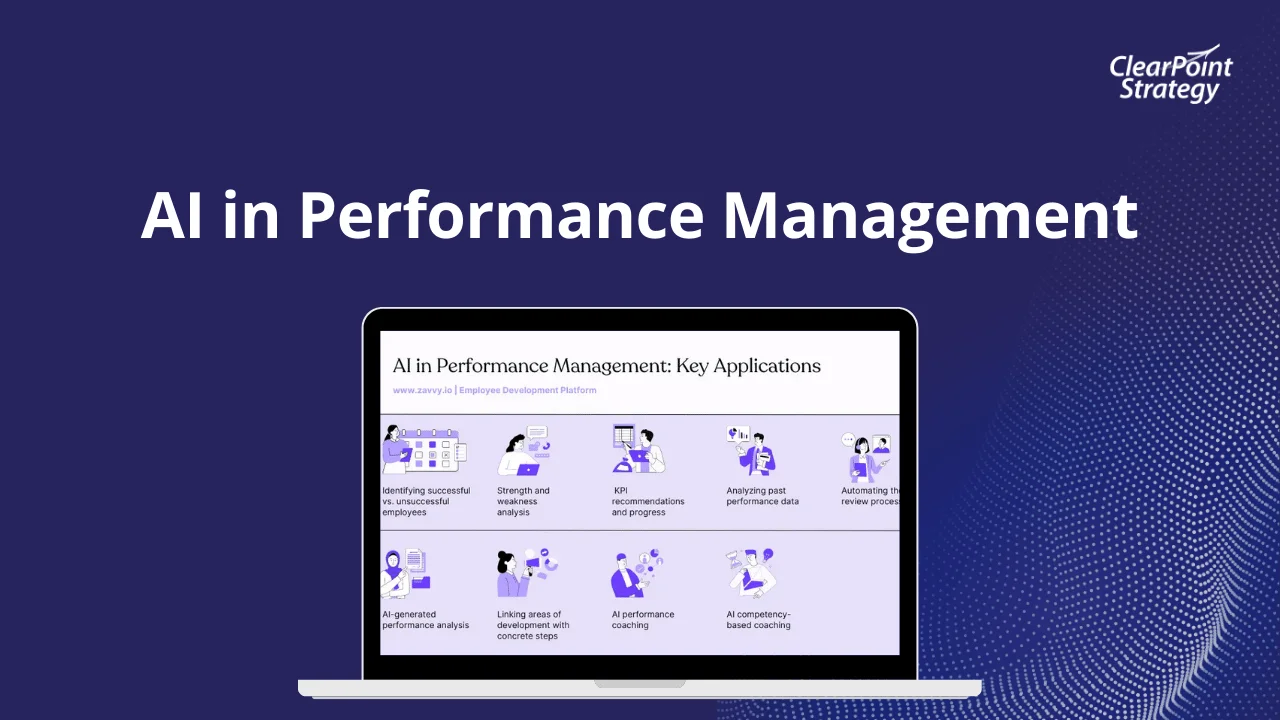
Leveraging technology, especially AI, can supercharge these interventions.
3. Application Exercise: Design Your Intervention
Now it's time to put these concepts into practice. Your task is to design a targeted intervention to address the conflict between individualistic performance metrics and the need for team collaboration.
Your Task:
Create a one-page Intervention Design Document for this new practice. The document should have the following four sections.
1. Intervention Objective:
* Briefly state the goal of the intervention. (e.g., "To shift performance management practices to primarily recognize, measure, and reward team-based contributions and collaboration within stream-aligned product teams.")
2. Target System & Practice:
* System: Performance Management
* New Practice: Team-based goal setting and evaluation.
3. Behavioral Design (The EAST Framework):
* For each principle of EAST, describe one specific, actionable tactic you will implement. Use the examples we discussed as inspiration.
* Easy: e.g., "The default goal-setting form in our HRIS will be replaced with a team-based OKR template that requires at least two collaborative Key Results."
* Attractive: e.g., "Launch a 'One Team' quarterly award, where winning teams are recognized by the CTO in the company all-hands and receive a budget for a team-building activity."
* Social: e.g., "Implement a real-time dashboard displaying team progress toward their OKRs, visible to all engineering departments."
* Timely: e.g., "Integrate a Slack bot that prompts managers on Fridays to share one example of excellent team collaboration from the week in their team's channel."
4. High-Level Rollout Plan:
* List 3-5 key steps to implement your intervention. You can draw on the "Communications & Engagement Work Plan" from the UBC guide for inspiration.
* Example Steps:
1. Secure senior leadership sponsorship and communicate the 'why' behind the change.
2. Co-design the new templates and dashboards with a pilot group of managers and teams.
3. Deliver training to all managers on how to coach for team performance and facilitate team-based goal setting.
4. Launch the new tools and processes across the organization.
5. Monitor adoption metrics and gather feedback for 3 months, then iterate.
This exercise will result in a practical artifact that you could adapt for your own transformation program.
Conclusion
This lesson, and our course, concludes here. We've journeyed from understanding foundational change models to diagnosing organizational readiness, crafting a transformation vision, and now, to designing the very mechanisms that will embed new behaviors and make your change last.
Key Takeaways:
- From Diagnosis to Design: Effective interventions start with a clear, well-scoped objective that addresses a specific conflict between your transformation's goals and the existing organizational systems.
- Behavioral Science is Your Ally: Frameworks like EAST provide a simple but powerful lens to design interventions that work with human nature, not against it, by making new behaviors easy, attractive, social, and timely.
- Systems are Malleable: Performance management, recognition, and other systems are not fixed. They are powerful levers that you, as a change leader, can and must redesign to support your transformation.
- Technology is an Enabler: Modern tools, including AI, can automate, scale, and personalize interventions, making it possible to provide the continuous feedback and nudges needed to sustain new practices.
You began this course with an ambitious goal: to design and implement a large-scale transformation program. You now possess a comprehensive toolkit, from the strategic frameworks needed to gain executive buy-in to the tactical design skills required to change how work gets done on the ground. You have the experience and the perspective to lead this change not just as a manager, but as a true organizational architect. I wish you the very best as you apply these lessons to drive meaningful and lasting transformation.