Introduction
Welcome to the final lesson in our first module, "Offline Retail Fundamentals." In our previous lessons, we've distinguished between e-commerce and offline retail, mapped the in-store customer journey, and broken down the financial engine of a retail business into its core revenue drivers and cost structures.
This lesson builds directly on that foundation. Knowing the general financial model is one thing; applying it within a specific, competitive industry is another. Today, we'll explore the dynamic world of women's beauty retail. Our goal is to identify the unique challenges and opportunities in the women's beauty retail segment.
By the end of this lesson, you will have a clearer picture of the industry landscape you're about to enter. This will equip you to make smarter strategic decisions, turning potential obstacles into competitive advantages for your beauty mini-market.
Part 1: The Landscape of Challenges
Every industry has its headwinds. In beauty, these challenges are often driven by rapidly shifting consumer expectations, supply chain complexities, and the immense influence of social media. Given your background in digital marketing, you'll recognize many of these themes, but we'll focus on how they specifically impact a physical retailer.
Challenge 1: Rising Costs and Supply Chain Fragility
In the last lesson, we discussed startup costs (CAPEX) and operating costs (OPEX). Two of the biggest line items—inventory and rent—are currently facing significant pressure.
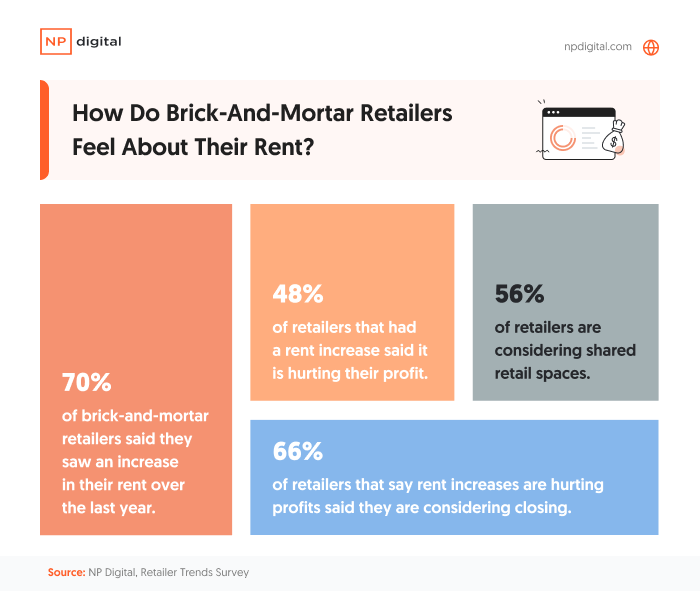
Beyond rent, the global supply chain for beauty products has become increasingly complex. This directly affects your Cost of Goods Sold (COGS) and inventory management.
To understand these pressures in more detail, let's turn to a comprehensive overview of the problems facing the industry.
12 Major Problems Facing the Beauty Industry Today 2026
The article '12 Major Problems Facing the Beauty Industry Today' provides an insider's look at the key operational challenges. We will focus on the section covering supply chain issues, which directly impact a retailer's costs and product availability.
Please read the section titled 'Global Supply Chain Complexity & Rising Costs'. Focus on the three main points: ingredient shortages, price volatility, and shipping delays. Consider how these issues could affect your initial inventory purchase and ongoing profitability.
As a new, small retailer, these supply chain issues mean you'll need to be agile. You might face:
- Difficulty sourcing trending products: A viral ingredient can be bought up by larger companies.
- Margin erosion: Unpredictable shipping and raw material costs can force your suppliers to raise prices, squeezing your gross margin.
- Stockouts: Delays can leave you with empty shelves, leading to lost sales and customer frustration.
Challenge 2: The Pressure for Transparency and Sustainability
Modern beauty consumers are highly informed and value-driven. They don't just buy products; they buy into a brand's ethos. This has created immense pressure on brands—and the retailers who stock them—to be transparent about ingredients, sustainable with packaging, and ethical in their sourcing.
Let's explore this trend using the same resource.
12 Major Problems Facing the Beauty Industry Today 2026
This next reading delves into the consumer-driven demand for ethical and sustainable practices. Failure to meet these expectations is a significant business risk.
Please read the following four sections: 'Packaging Waste and Sustainability Pressure': Note the shift from sustainability being a 'nice-to-have' to a non-negotiable. 'Toxic Ingredients, Allergens & Endocrine Disruptors': Focus on the gap between scientific reality and consumer perception of 'harmful chemicals'. 'Greenwashing, Cleanwashing & Ingredient Transparency Gaps': Understand why clear, honest communication is crucial. 'Ethical Sourcing & Supply Chain Risks': Pay attention to the issues around ingredients like mica and shea butter.
For your store, these challenges present a curatorial puzzle. The products you choose to carry will be seen as a reflection of your store's values. You'll need to vet brands on their sourcing, packaging, and ingredient philosophy, not just their product performance or profit margin.
Challenge 3: The "TikTok Effect" and Fast Beauty Cycles
Your experience in digital marketing has surely exposed you to the power of viral trends. In beauty, platforms like TikTok have accelerated trend cycles to an unprecedented speed.
12 Major Problems Facing the Beauty Industry Today 2026
Let's read one more section from the '12 Major Problems' article, this time focusing on the impact of social media on product lifecycles.
Please read the section 'Fast Beauty Cycles Driven by TikTok & Influencers'. Think about the risk of being left with unsold inventory when a micro-trend suddenly fades.
This presents a direct challenge to the inventory management of a physical store. Ordering large quantities to get better pricing can be risky if the trend dies before you sell through the stock. A key challenge will be balancing the need to carry "what's hot" with a stable core of evergreen products.
Part 2: The Landscape of Opportunities
While the challenges are significant, the beauty industry is also ripe with opportunities, especially for a focused, independent retailer like the one you're planning. Many of these opportunities lie in directly addressing the shortcomings of larger, less personal competitors.
Opportunity 1: The Power of the Physical Experience
In a world of endless scrolling, the tangible, sensory experience of a physical store is a powerful differentiator. Customers still crave the ability to see, touch, and test products before buying.
OPENING a Beauty Supply Store with NO MONEY is EASIER Than You Think
In this clip, 'The Retail Genius' makes a passionate case for the importance of physical retail in the beauty industry, even in the digital age.
Please watch the segment from 03:37 to 04:27. Listen for why customers are actively searching for physical stores and what kind of experience they are seeking.
As the speaker notes, people want an experience where they can use their five senses. This is your chance to create a unique, inviting atmosphere that online-only retailers can't replicate.

Opportunity 2: Authentic Inclusivity as a Core Value
The beauty industry has historically underserved large segments of the population. This creates a massive opportunity for a new store to build a loyal following by catering authentically to a specific community.
The concepts of inclusivity in beauty now extend across skin tone, age, gender identity, and accessibility.
Report: State of Inclusivity in Beauty - Arbelle
The 'State of Inclusivity in Beauty' report provides data-driven insights into this crucial market shift. We will focus on the areas most relevant to a women's beauty mini-market: skin tone and age.
Please read the following sections from the report: 'III. Skin Tone Inclusivity': Note the statistics on Black consumers' dissatisfaction and the 'Fenty Effect.' 'V. Age Inclusivity in Beauty': Pay attention to the shift from 'anti-aging' to 'pro-aging' and the demand for authentic representation. 'VII. Diversity and Representation in Marketing': Understand why tokenism is no longer enough and authenticity is key.
For your beauty mini-market, this isn't just a trend; it's a business model. By intentionally curating products for a diverse range of skin tones and celebrating a "pro-aging" philosophy, you can serve customers who feel ignored by mainstream retailers.
Opportunity 3: Resilience and Consistent Demand
Despite economic fluctuations, the beauty industry has proven to be remarkably resilient. Beauty products are often seen as affordable luxuries, and consumers continue to purchase them even during downturns.
Let's hear a real-world perspective on this from a beauty supply store owner.
How I Started my Beauty Supply Store | Black Owned Beauty Supply
Natalie Daniels, a beauty supply store owner, shares her experience of opening her business during a challenging economic time.
Watch the clip from 00:31 to 01:03. Notice her confidence in the industry's resilience due to constant consumer need.
This inherent demand provides a degree of stability for a well-run beauty business.
Part 3: Practical Realities from a Store Owner
Theory and market reports are essential, but nothing beats the wisdom of experience. The same store owner, Natalie Daniels, shares some of the practical hurdles she faced, which represent both challenges and opportunities for a newcomer.
How I Started my Beauty Supply Store | Black Owned Beauty Supply
Let's watch a few more clips from Natalie's story. She highlights some of the less-obvious challenges of getting a beauty store off the ground.
Please watch the following segments: Market Gap (01:03 - 01:23): She identified an opportunity by noticing a lack of stores in her area. Finding Vendors (03:52 - 05:08): Listen to the challenges she faced in sourcing products, including high minimum orders and potential bias. The Role of Credit (05:42 - 06:53): She emphasizes the critical importance of good personal credit for securing both funding and supplier accounts.
These clips ground our discussion in reality:
- The Opportunity: A simple analysis of your local area can reveal a powerful market gap.
- The Challenge: Getting accounts with desirable brands isn't always straightforward. It requires persistence, and suppliers often have high minimum order quantities (MOQs), which ties back to your startup inventory costs.
- The Prerequisite: Strong personal finances and credit are not just for bank loans; they are often a prerequisite for doing business with key suppliers.
Conclusion
Today, we've surveyed the complex but exciting landscape of the women's beauty retail segment. You're entering an industry defined by a push-and-pull between major challenges and powerful opportunities.
Key Takeaways:
- Challenges: You will need to navigate volatile supply chains and rising operating costs, meet high consumer expectations for sustainability and transparency, and manage inventory wisely in an era of fast-moving trends.
- Opportunities: You can win by creating a compelling physical store experience, building a brand around authentic inclusivity, becoming a trusted community hub, and capitalizing on the industry's resilient demand.
- Practical Hurdles: Securing the right suppliers and having strong personal finances/credit are critical early steps that can make or break your business.
Preview of the Next Lesson:
This lesson concludes our foundational module. You now have a 360-degree view of the business, from the customer journey and financial model to the specific industry context.
We are now ready to move into Module 2: Market Research and Business Planning. In our next lesson, we will take the concept of inclusivity we discussed today and turn it into a practical tool by learning how to define the target customer profile for your women's beauty mini-market. This is the first step in turning your vision into a concrete plan.