Introduction
Welcome back! In our previous lesson, we established a detailed, hands-on process for sampling and quality-checking beauty products. You now have a framework to ensure every item you consider for your store meets high standards for quality and safety. This process is the foundation of your brand's reputation.
However, a successful retail business isn't just built on one-time quality checks; it's built on consistency. The key to consistency lies not just in the products, but in the people and companies who supply them. This is where your digital marketing background, focused on building customer relationships, can be adapted to a new context: suppliers.
Today's lesson focuses on how to describe strategies for building and maintaining long-term supplier relationships. We will move beyond the transactional details of orders and quality control to the strategic art of partnership. By the end of this 60-minute lesson, you will understand how to transform a simple supplier arrangement into a powerful, long-term alliance that can provide your beauty mini-market with a significant competitive advantage.
1. From Transaction to Partnership: The Core of Supplier Relationship Management (SRM)
In the world of e-commerce, relationships with vendors can sometimes feel automated and transactional. In physical retail, especially for a boutique store like yours, the human element is paramount. Supplier Relationship Management (SRM) is the formal term for the process of strategically planning for and managing all interactions with third-party suppliers to maximize the value of those interactions.
Think of it this way:
- Procurement is about buying things.
- Supplier Relationship Management is about building partnerships to create value far beyond the price on an invoice.
To get a clear overview of the key pillars of SRM, let's start with a video.
Mastering Supplier Relationship Management in Supply Chain | Best Practice | Process | Strategy
The '10 Min For Supply Chain' channel provides a concise introduction to Supplier Relationship Management. This video will break down the essential components of a strong SRM strategy.
Please watch the video from the beginning until 03:45. Focus on the definitions and the first two core strategies presented: Introduction to SRM (00:00 - 00:45) Clear Communication (00:45 - 02:00) Collaboration and Innovation (02:00 - 03:45) Pay close attention to how the video frames the relationship as a partnership rather than a simple buyer-seller dynamic.
As the video explains, effective SRM is built on communication and collaboration. It’s about shifting your mindset to see suppliers as strategic allies who can help you grow.
The image below shows a typical lifecycle for managing these relationships. It’s a continuous loop, not a one-time setup.
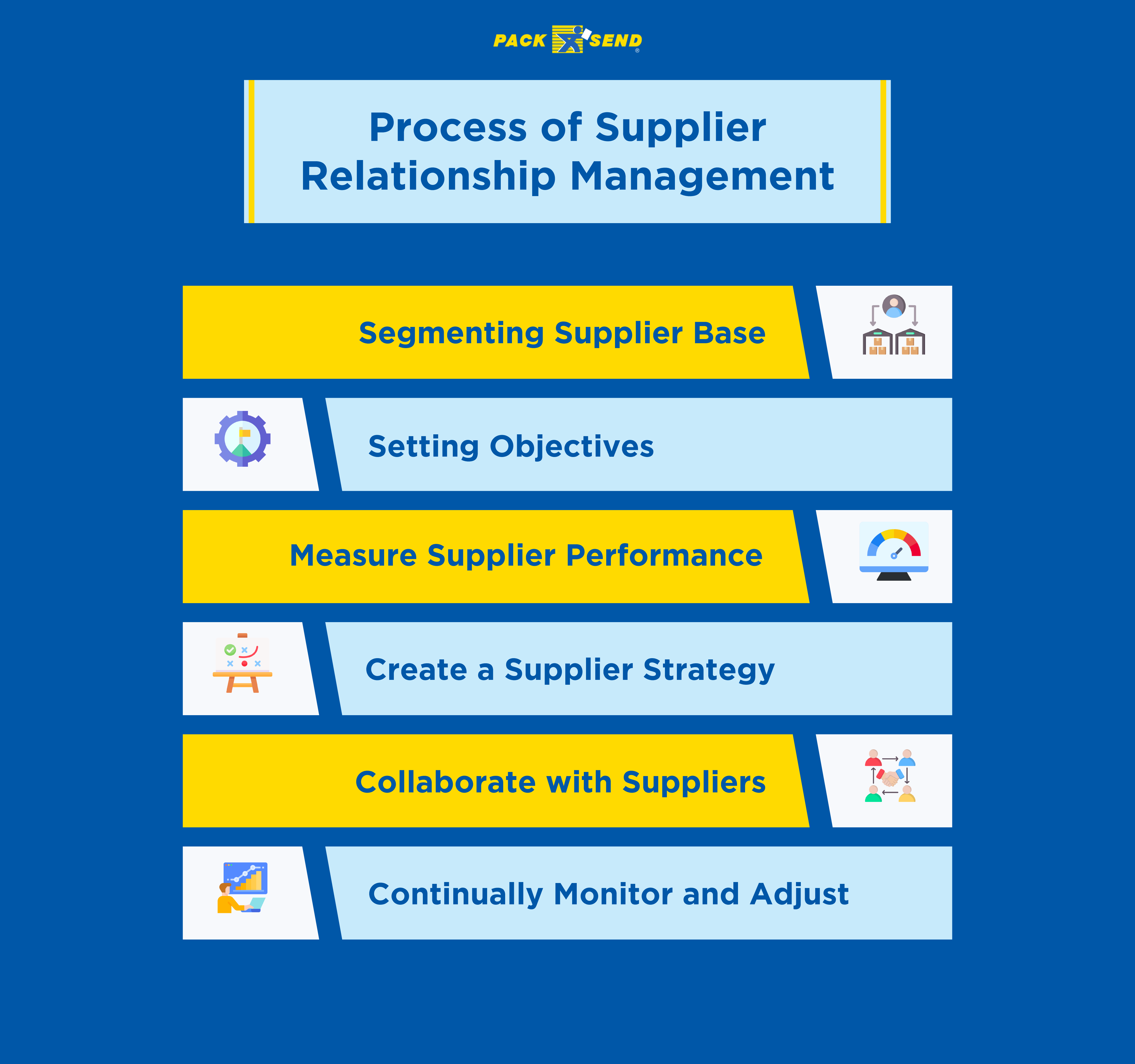
2. Five Core Strategies for Building and Maintaining Supplier Relationships
Now, let's translate the theory of SRM into practical, actionable strategies you can implement for your beauty mini-market.
Strategy 1: Treat It Like a Partnership, Not a Purchase
The single most important strategy is to treat your suppliers as you would a business partner. Your success is linked to theirs. This means understanding their needs and priorities, just as you expect them to understand yours.
The Keys to Successful Supplier Relationship Management Processes
The article 'The Keys to Successful Supplier Relationship Management Processes' from Cosmetics Business offers insights specific to your industry. It emphasizes the importance of seeing the relationship from the supplier's perspective.
Please read the section titled 'Ways to Improve Relationships with Suppliers'. Focus on the list of what suppliers want from a business and the foundational importance of clear agreements and trust.
A key takeaway is that suppliers want the same things you do: reliability, clear communication, and timely payment. By delivering on your end of the bargain, you become a valued customer, even as a small retailer.
Strategy 2: Establish a Communication "Operating Rhythm"
Vague or infrequent communication is the fastest way to weaken a relationship. Instead, create a structured schedule for communication.
Supplier Relationship Management with Trent - SRM Tips
Let's watch a clip from 'Supplier Relationship Management with Trent' on the Supply Chain Secrets channel. The speaker introduces a very practical concept called an 'operating rhythm'.
Please watch from 02:06 to 04:22. Listen for the explanation of the 'operating rhythm' and how it ensures communication happens at different levels (strategic, tactical, and operational).
For your mini-market, an "operating rhythm" doesn't need to be complex. It could be:
- Weekly: An email with the upcoming week's order.
- Monthly: A brief call to discuss sales trends, best-sellers, and any upcoming promotions you're planning.
- Quarterly: A more strategic conversation about new product lines, market trends, or reviewing overall performance.
Proactively sharing information makes your supplier feel like part of your team.
Strategy 3: Pay on Time, Every Time
This may seem obvious, but for a supplier, cash flow is critical. Being a customer who pays invoices promptly and reliably is one of the most powerful ways to build trust and goodwill. A supplier will prioritize and be more flexible with a customer they know they can count on for payment. As the Cosmetics Business article noted, when payments are late, trust wanes, and the supplier's priority shifts to more reliable customers.
Strategy 4: Monitor Performance Collaboratively
In our last lesson, you created a Quality Control (QC) checklist. This tool is not just for you; it's a tool for collaboration. When you track performance, the goal isn't to punish but to improve together.
Practical Tips for Supplier Agreement Management in Independent ...
The article 'Practical Tips for Supplier Agreement Management in Independent Retail' provides excellent advice tailored for small retailers. Let's focus on its guidance for performance monitoring.
Please read section '6. Monitor Performance and Compliance'. Notice how it recommends combining quantitative data (like on-time delivery rates) with qualitative feedback, and emphasizes addressing issues promptly and constructively.
When an issue arises—a late shipment or a product that fails a QC check—frame the conversation collaboratively:
- Avoid: "Your shipment was late and it caused problems for me."
- Prefer: "I noticed the last shipment was delayed. Can we look into what happened to prevent it from occurring again? Was there an issue on my end with the order timing?"
This approach turns a potential conflict into a problem-solving session.
Strategy 5: Leverage Their Expertise
Your suppliers are specialists. The brands and distributors you work with have deep knowledge of beauty trends, product formulation, and what's selling well in the broader market. Don't be afraid to tap into that knowledge!
- Ask them what new products they are excited about.
- Inquire about upcoming trends they are seeing.
- Seek their advice on merchandising their products effectively.
By asking for their input, you show that you value their expertise, which strengthens the partnership and can give you invaluable market intelligence.
This image provides a great visual summary of these core strategies.

3. Planning for Problems and Maintaining the Relationship
Strong relationships are tested when things go wrong. A good SRM strategy includes planning for contingencies.
Another key aspect of maintenance is regularly reviewing your agreements. The terms that made sense on day one might not be optimal a year later as your business grows and market conditions change. The Practical Tips for Supplier Agreement Management... article you read earlier highlights this under the tip "Regularly Review and Update Contracts." This ensures the relationship evolves with your business.
Finally, always have a 'pivot plan'.
The Keys to Successful Supplier Relationship Management Processes
Let's revisit the Cosmetics Business article to learn about the importance of a contingency plan.
Please read the section that begins with 'Another key to realizing a successful supplier strategy...'. Focus on the concept of a 'pivot plan' and the importance of having designated point-persons.
Having a designated contact person and discussing "what-if" scenarios (e.g., "What is the process if a shipment is damaged in transit?") before they happen makes resolving real issues much smoother.
Conclusion
Building and maintaining long-term supplier relationships is a strategic investment. It moves you from simply buying products to building a resilient supply chain supported by partners who are invested in your success. For a new beauty mini-market, these strong relationships can mean better service, first access to new products, greater flexibility, and collaborative problem-solving—all of which are crucial for growth.
Key Takeaways:
- Adopt a Partnership Mindset: View your suppliers as strategic allies, not just vendors.
- Communication is Key: Establish a regular "operating rhythm" for communication to keep both parties aligned.
- Trust is Earned: Simple acts like paying on time consistently build a strong foundation of trust.
- Collaborate on Performance: Use performance data and QC checks as tools for collaborative improvement, not blame.
- Be Prepared: Proactively plan for contingencies and maintain open lines of communication to handle unexpected issues smoothly.
Preview of the Next Lesson:
Now that you have a process for sourcing high-quality products and building relationships with the people who supply them, the next step is to manage those products once they're in your store. How do you know what you have, how much you have, and when you need to order more? In our next module, we will begin by comparing common inventory tracking methods to find the right system for your new business.