Introduction
Welcome back! In our last lesson, you built a powerful Supplier Scorecard to evaluate and shortlist potential partners for your beauty mini-market. This was a crucial step in moving from a long list of possibilities to a handful of high-quality contenders.
Now that you have your top candidates, it's time to engage with them directly and shape the partnership. This lesson focuses on the art and science of negotiation. Your background in digital marketing has likely involved negotiating with ad platforms or service providers, but supplier negotiations for a retail business have unique stakes. The terms you set here will directly impact your store's cash flow, profitability, and ability to keep products on the shelves.
By the end of this 60-minute lesson, you will be able to negotiate payment terms and delivery schedules with suppliers, ensuring the agreements you make are sustainable and beneficial for your new business.
1. The Mindset of a Successful Negotiator: It's Not a Fight
Many people view negotiation as a battle where one side wins and the other loses. In supplier relationships, this is a flawed approach. Your goal is to build a long-term, collaborative partnership. A supplier who feels squeezed on every point is unlikely to be helpful when you need an urgent shipment or have a quality issue. The best negotiations result in a "win-win" outcome.
The key to achieving this is to look beyond stated positions (e.g., "We need a 10% discount") and uncover the underlying interests (e.g., "We need to improve our profit margin to be viable"). The same applies to your supplier. Their position might be a high price, but their interest could be needing predictable cash flow or wanting to enter a new market.
This video from a procurement expert provides an excellent framework for this mindset.
Negotiation Training - Procurement Training - Purchasing Training - from the Negotiation Godfather!
Let's watch a few clips from 'Negotiation Training' by the PSCM Institute™. It introduces the crucial difference between 'issues,' 'positions,' and 'interests'—the foundation of collaborative negotiation.
Please watch the following three segments: The 'Fixed Pie' Fallacy (01:07 - 03:02): Focus on how assuming a negotiation is only about money becomes a self-fulfilling prophecy. Issues, Positions, and Interests (06:25 - 08:21): This is the core concept. Pay close attention to the definition of 'interests' as the underlying needs that are not obvious. Asking the Right Questions (26:49 - 29:12): Note the three most powerful words ('Help me understand') and the concept of gathering 'currency' by learning about the other side's priorities.
As the video explains, by understanding your supplier's challenges and goals, you can "invent options" that create value for both of you. For instance, maybe they value a large, committed order more than immediate payment. This is "currency" you can use to negotiate better terms.
2. The Core Negotiating Points: Payment Terms and Delivery Schedules
While price is important, the terms surrounding payment and delivery often have a bigger impact on the financial health of a new retail store. Let's define what we're aiming for.
Vendor Negotiation 101: Get The Best Supplier Contract Terms
The article 'Vendor Negotiation 101' from Cogsy clearly outlines the types of terms you can negotiate beyond just price. This will give you a clear list of what's on the table.
Please read the section titled '16. Negotiate different terms (other than pricing).' Focus on the examples given for payment terms, order fulfillment, and MOQs.
Let's break down the most important terms mentioned in the article:
-
Payment Terms: These dictate when and how you pay for your orders.
- Net 30/60/90: This means you have 30, 60, or 90 days to pay the invoice after receiving the goods. For a new business, a longer term like Net 60 is incredibly valuable. It allows you to sell some of the product before you have to pay for it, dramatically improving your cash flow.
- Early Payment Discount: Some suppliers offer a small discount (e.g., 2%) if you pay the invoice early (e.g., within 10 days). If you have the cash, this can be a great way to boost your profit margin. This is often written as "2/10 Net 30".
- Upfront Deposit / Down Payment: For new customers, suppliers often require a percentage of the order value upfront (e.g., 50%). Your goal should be to negotiate this down as you build a track record of timely payments.
-
Delivery Schedules: This is about how and when your products arrive.
- Lead Time: The time between placing an order and receiving it. A shorter, reliable lead time means you can hold less inventory and react faster to sales trends. Negotiating a guaranteed lead time is crucial.
- Staggered Deliveries: Instead of receiving a huge order all at once, you might arrange for it to be sent in smaller, weekly or bi-weekly shipments. This reduces your need for storage space and large upfront payments.
These terms are not set in stone. They are levers you can pull to create a deal that works for your business.
3. A Practical Strategy for Negotiation
Effective negotiation starts long before you speak to the supplier. It's about preparation.
Step 1: Prepare, Prepare, Prepare
First, define what you want and what your alternatives are.

Vendor Negotiation 101: Get The Best Supplier Contract Terms
Let's revisit the 'Vendor Negotiation 101' article to look at its excellent pre-negotiation checklist.
Read the section 'Pre-negotiation considerations.' Pay special attention to points 3 ('Define your needs, potential alternatives, and set limitations') and 4 ('Look for quotes from multiple vendors').
Your preparation should result in:
- Your Ideal Outcome: e.g., "Net 60 terms, 2-week lead time, and a 15% discount off wholesale price."
- Your Walk-Away Point: e.g., "I cannot accept Net 30 terms with a 50% upfront deposit, as it will cripple my cash flow."
- Your BATNA (Best Alternative to a Negotiated Agreement): e.g., "Supplier B has already offered me Net 30 with a 20% deposit. I can always go with them." Knowing this gives you the confidence to walk away from a bad deal.
Step 2: Uncover the Supplier's Interests
Remember the video from section 1? This is where you put it into practice. Use the initial conversation to ask open-ended questions.
Negotiation Training - Procurement Training - Purchasing Training - from the Negotiation Godfather!
Let's return to the 'Negotiation Training' video for a list of specific, powerful questions you can ask to uncover a supplier's underlying interests.
Watch the segment from 38:45 to 41:34. The speaker provides a list of excellent questions, such as: 'Besides the revenue, how does this deal contribute to your company objectives?' 'What outcome from this deal would thrill your management, and why?' 'How would you rank the various positions you offered in terms of value to your company?'
You might discover the supplier is trying to meet an end-of-quarter sales goal, is eager to have their products in a new boutique store like yours, or is struggling with unpredictable income. This is the "currency" you can use.
Step 3: Trade Concessions
A common mistake is to give something away without getting something in return. Negotiation is a process of trading.
B2B Purchasing Negotiation Five Strategies to Reduce Vendor Prices
This short video from business consultant Ian Johnson offers two powerful tactical tips: when to bring up your needs and how to trade concessions.
Watch these two key segments: Hold Back Your Needs (01:00 - 03:03): Notice the strategy of negotiating the main price first, and then introducing requests for better payment terms or discounts for volume/prepayment. Match a Concession for a Concession (03:47 - 05:32): The core idea here is to trade 'high-value' requests. If they ask you to commit to a larger volume, you should ask for a high-value concession in return, like extended payment terms.
Example Scenario:
- Supplier: "We can give you a 10% discount, but we need you to double your initial order size."
- You (using the concession-trading tactic): "I can consider a larger order, that's a high-value commitment on my end. To make that work, I'd need a high-value concession from you in return. Could you offer Net 90 payment terms on that larger order?"
An Example of Creative Term Negotiation
The soft drink company example from the first video is a perfect illustration of negotiating payment schedules.
Negotiation Training - Procurement Training - Purchasing Training - from the Negotiation Godfather!
Let's re-examine a specific example of how creative payment scheduling can lead to a win-win deal.
Rewatch the story of the Turkish soft drink company from 21:18 to 24:16. See how they identified the supplier's 'valley' in income and offered to make payments during that off-season. In return, they secured their product allocation and got a better price. This is a masterclass in negotiating payment schedules.
For your beauty store, this might mean offering to pay a deposit in a typically slow month for your supplier (like January) in exchange for better pricing on an order that ships in March.
4. Tracking What You've Agreed On
Once the negotiation is over and the contract is signed, the work isn't done. You must track your supplier's performance against the agreed-upon terms, especially the delivery schedule.
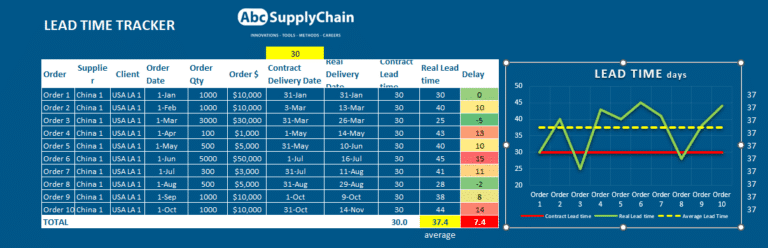
This tracking is not just for policing your supplier; it's critical data for your own inventory management, which we will cover in a future module.
Conclusion
Negotiating with suppliers is a fundamental skill for a retail owner. By moving beyond a "price-only" mindset and seeking to understand and meet your supplier's interests, you can build stronger partnerships and secure terms that are vital for your success.
Key Takeaways:
- Aim for a "Win-Win": Treat negotiation as a collaborative process to build a long-term partnership, not a battle to be won.
- Focus on Interests, Not Positions: Uncover the underlying needs of your supplier to find creative solutions that benefit both parties.
- Negotiate Beyond Price: Favorable payment terms (like Net 60/90) and reliable delivery schedules are often more valuable than a small discount, as they protect your cash flow.
- Preparation is Key: Know your ideal outcome, your walk-away point, and your best alternative (BATNA) before you ever start the conversation.
- Trade, Don't Concede: Never give something up (like a larger order) without asking for something of equal or greater value in return (like better payment terms).
Preview of the Next Lesson:
You've shortlisted your suppliers and negotiated terms. What's next? In our upcoming lesson, we will establish a process for sampling and quality-checking beauty products before stocking. This is the final gatekeeper step to ensure that the products you've worked so hard to source actually meet the quality standards your customers will expect.