Hello! Welcome to the final lesson in our module, "Nailing the SDR Interview."
In our last lesson, we built a robust 30-60-90 day plan to show hiring managers you're not just interested in the job—you have a strategy to succeed in it. This demonstrated your proactivity and forward-thinking.
Today, we'll focus on the very last part of the interview, which is often your final chance to make a lasting impression: the part where the interviewer asks, "So, do you have any questions for me?" Your goal here is to move beyond a simple "No, you've covered everything." By preparing and asking insightful questions, you demonstrate your engagement, intelligence, and seriousness. More importantly, this is your opportunity to interview the company and decide if the role, team, and culture are the right fit for you.
By the end of this lesson, you will be able to prepare and ask insightful questions tailored to your interviewer that not only impress the hiring manager but also give you the critical information you need to evaluate the job opportunity.
Why Your Questions Matter More Than You Think
First, let's be clear: asking thoughtful questions is not optional. It is a critical part of demonstrating your preparation and interest. A candidate who has no questions can come across as disengaged or, worse, unprepared. This is your chance to turn the tables and control the final minutes of the conversation.
The ULTIMATE Guide to Dominate EVERY Sales Job Interview | SDR/BDR Interview Tips
In this clip from his 'ULTIMATE Guide to Dominate EVERY Sales Job Interview', Connor Murray explains why having thoughtful questions prepared is a key differentiator. He highlights what not to do and sets the stage for what makes a question 'thoughtful.'
Watch from 08:36 to 09:45. Pay close attention to the types of questions he warns against, such as generic ones about day-to-day responsibilities, which you should already understand from your research.
As the video emphasizes, this is your moment to prove you've done your homework and are thinking strategically about the role.
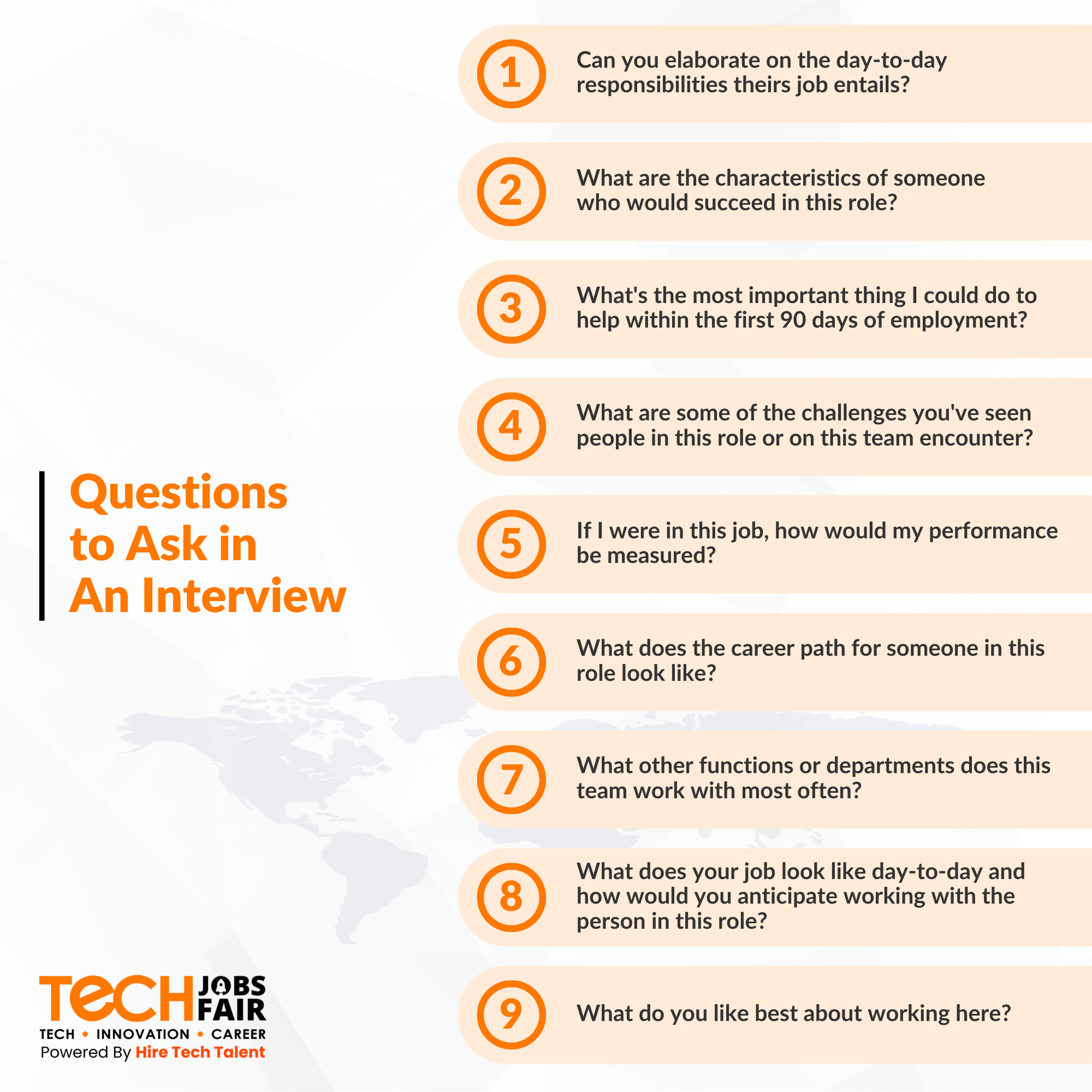
The Strategy: Tailor Your Questions to the Interviewer
Not all questions are suitable for all interviewers. An HR representative, a future manager (SDR Lead), and a VP of Sales care about different things. Tailoring your questions shows you understand their role and perspective.
- HR / Recruiter (First Round): Focus on culture, team structure, and the overall hiring process.
- SDR Manager / Team Lead (Second/Third Round): Dive deep into the specifics of the role, performance expectations, team dynamics, and what success looks like.
- VP of Sales / Director (Final Round): Ask "big picture" questions about company strategy, market position, and long-term vision.
Let's see how this plays out in practice.
CRUSH Your FIRST SDR Interview to Break Into Tech Sales
This video, 'CRUSH Your FIRST SDR Interview', offers specific examples of questions for both the hiring manager and the VP of Sales. This will help you see the difference in scope and focus.
Watch two separate clips: 13:59 - 14:32: Listen to the questions suggested for the hiring manager. Notice they are about ramp-up, quota, and reasons for failure—very role-specific. 15:34 - 16:11: Listen to the questions for the VP of Sales. Notice how they are broader, focusing on long-term vision and the characteristics of top performers across the organization.
Building Your Question Bank: Key Categories
To ensure you cover your bases, it's helpful to group your potential questions into categories. You should aim to have 3-5 high-quality questions prepared for each interview, knowing some may be answered during the conversation.
A great way to organize your thoughts is around these four themes:
- The Role & Success
- The Team & Culture
- The Company & Strategy
- Your Growth & Development
The following resource is an extensive list of questions. You don't need to memorize them all, but you should use them to build your personal "question bank."
Questions BDRs/SDRs should ask during interviews : r/sales
This Reddit post, 'Questions BDRs/SDRs should ask during interviews,' is a comprehensive collection of questions crowdsourced from sales professionals. It's a fantastic resource to pick and choose from.
Skim through the entire list to see the breadth of possible questions. For this lesson, focus specifically on the sections titled 'Current team', 'Company overview', and 'Growth & Leadership'. Pick 2-3 questions from these sections that you find most compelling.
Deep Dive: Questions About Quota and Success
For an SDR, no topic is more important than performance metrics. Asking detailed, intelligent questions about quota shows you're serious about results. It also helps you spot potential red flags, like unrealistic expectations or a lack of support.
Before you can ask smart questions about quota, you need to understand the basics.
What Is a Sales Quota? Everything You Need to Know
This article, 'What Is a Sales Quota? Everything You Need to Know,' explains what a quota is and, most importantly, lists the exact questions experienced candidates ask about it. This is your cheat sheet for sounding like a pro.
First, read the section 'Questions Top Sales Candidates Will Ask About Your Quota.' These are pure gold. Then, review the table in the section 'Types of Sales Quotas...' to understand the difference between activity, volume, and revenue quotas. You don't need to be an expert, but knowing these terms will help you understand their answers.
Armed with this knowledge, you can move from a basic question like "What is the quota?" to a much more insightful one, such as:
- "What percentage of the SDR team is currently at or above quota? What does the ramp-up period look like for new hires to reach that full quota?"
- "Is the quota based purely on booked meetings, or is it a combination quota that includes activities like calls and emails?"
- "You mentioned the #1 rep is doing exceptionally well. In your view, what are the one or two things they do differently that separates them from the rest of the team?"
These questions show you're thinking not just about the target, but about attainability, process, and excellence.
Test your understanding!
You're interviewing with an SDR Manager. You've already learned the quota is 10 qualified meetings per month. Based on the resources, what is a powerful follow-up question you could ask to better understand your potential for success?
Show answer
There are several great options. Here are a few examples:
- Focusing on attainability: "Thanks for sharing that. What percentage of the current team consistently hits that 10-meeting target? And for those who do, what's the average tenure before they started hitting it consistently?"
- Focusing on support: "That sounds like a challenging but achievable goal. What marketing support, lead flow, and sales tools are in place to help the SDR team reach that number?"
- Focusing on failure/coaching: "What do you see as the most common reason a new SDR might struggle to hit that target in their first few months, and how does your team coach them through it?"
How to Frame Your Questions
Finally, how you ask is as important as what you ask. Don't just fire off a list. Frame your questions to show you've been listening and are genuinely curious.
The ULTIMATE Guide to Dominate EVERY Sales Job Interview | SDR/BDR Interview Tips
Let's return to Connor Murray's video for a masterclass in framing. He provides a brilliant template for asking about preparation and showing you're coachable.
Watch from 09:55 to 11:00. Pay special attention to his example of framing a question: 'Here's what I've been doing to prepare... what else should I be doing?' This approach showcases your proactivity before you even ask the question.
Pro-Tip: Start by acknowledging the conversation. For example: "Thank you, this has been incredibly insightful. A few of my questions were answered already, but I was still curious about a couple of things..." This shows you were actively listening.
Conclusion
You've now completed the entire "Nailing the SDR Interview" module. You know how to explain the role, pitch yourself, answer behavioral questions, present a 30-60-90 day plan, and now, how to close the interview with insightful questions.
Key Takeaways:
- Always have questions prepared. It's a non-negotiable part of a strong interview performance.
- Tailor your questions to your audience. Ask role-specific questions to the SDR manager and big-picture questions to leadership.
- Focus on what matters: Dig into the details of success, quota attainment, team culture, and career growth. These are the factors that will determine your success and happiness.
- Frame your questions thoughtfully. Show you've been listening and are proactive in your thinking.
In our next module, we will begin our deep dive into Prospect and Company Research. The quality of everything we've just learned—from your interview answers to the questions you ask—is built on a foundation of solid research. In the next lesson, we'll learn how to conduct in-depth research on a target company before an interview, so you can walk in with confidence and unparalleled insight.