Hello! Welcome to the next practical lesson in our "Practical Application and System Design" module.
In our last session, we established the crucial principles for high-quality food selection—adopting a "clean keto" framework and using a two-filter system to prioritize nutrient density while eliminating inflammatory foods. You now have the theoretical blueprint for what to eat.
Today, we transition from theory to practice. The goal of this lesson is to apply those principles to construct a sample one-day meal plan that integrates your ketogenic macros with a chosen intermittent fasting (IF) window. This will provide you with a concrete, actionable template that serves as the fundamental building block for your entire nutrition system.
Let's begin by briefly revisiting why we're combining keto with intermittent fasting, which directly relates to your goals for longevity and cognitive health.
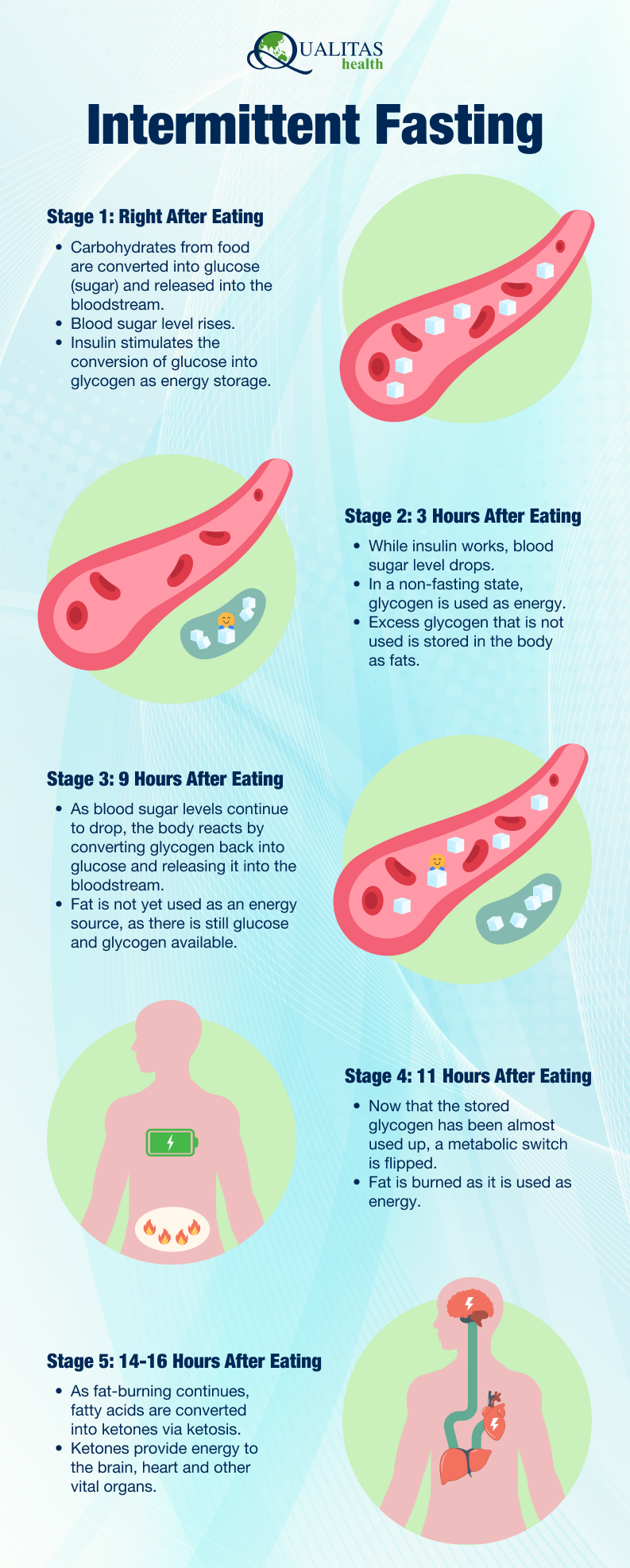
1. Step 1: Defining Your Daily Structure with Intermittent Fasting
Before deciding what to eat, you must first decide when to eat. This structure provides the scaffolding for your day. Intermittent fasting is not about calorie restriction per se, but about consolidating your eating into a specific window, which helps keep insulin levels low and stable.
The most common and sustainable protocol for beginners is 16:8 Intermittent Fasting, which involves an 8-hour eating window and a 16-hour fast.
How to Start the Ketogenic Diet Correctly?
Dr. Eric Berg provides a clear, practical overview of how to combine a ketogenic diet with intermittent fasting. Pay attention to his rationale for skipping breakfast and avoiding snacks to manage insulin.
Please watch the following segments from the video 'How to Start the Ketogenic Diet Correctly?': 08:13 - 11:16: Focus on the core rules of combining keto with IF: eat only when hungry, skip breakfast (and how to manage it), and the critical importance of avoiding snacks. 11:16 - 12:10: This part gives a concrete example of a daily schedule with a 6-hour eating window (12 PM to 6 PM), creating an 18-hour fast.
Based on this, your first step is to define your own 8-hour eating window. A common choice is 12:00 PM to 8:00 PM. This allows for a social dinner and fits well into a typical workday. During your fasting window (8:00 PM to 12:00 PM the next day), you can consume non-caloric drinks like water, black coffee, or herbal tea.
This structure automatically simplifies your day into two main meals: Lunch and Dinner.
2. Step 2: Populating the Meals with Nutrient-Dense Foods
Now we fill in the structure. Drawing from last lesson's principles, each meal should be built around a foundation of high-quality protein and healthy fats, with a large volume of non-starchy vegetables.
Let's deconstruct a real-world example to see how this works in practice.
Dr. Berg’s Meals and Intermittent Fasting Pattern
Dr. Berg also shares his personal daily meal plan, which serves as an excellent case study. Notice how he constructs his two meals to be highly satiating and nutrient-dense, allowing him to fast for 20-21 hours.
Watch these two segments from 'Dr. Berg’s Meals and Intermittent Fasting Pattern': 01:53 - 03:40: This details his first meal. Note the combination of high-quality protein and fat sources (pasture-raised eggs, organic bacon, European cheese) and the inclusion of other fats like olives. 03:32 - 05:39: This covers his second meal. The key takeaway here is the structure: start with a very large salad (7-10 cups) for micronutrients and fiber, followed by a high-quality protein source (sardines, salmon, grass-fed burger).
Dr. Berg's approach provides a simple, effective template for your two daily meals:
- Meal 1 (Lunch): A protein-and-fat-centric meal. Examples include an omelette, a large salad with chicken or salmon, or leftovers from the previous night's dinner.
- Meal 2 (Dinner): A large portion of non-starchy vegetables (salad or cooked) paired with a high-quality protein.
3. Step 3: Finding Your Recipes - A Practical Toolkit
You don't need to invent every meal from scratch. There are excellent resources that provide recipes and meal plans built on these principles. These can serve as your "recipe book" as you start out.
16:8 intermittent fasting – free diet plan
The '16:8 intermittent fasting – free diet plan' from Diet Doctor is a fantastic, straightforward resource. It offers a full week of keto-friendly lunch and dinner recipes designed for a 16:8 schedule.
Scroll down to the section titled '7-day keto & 16:8 intermittent fasting'. Review the meal suggestions for a few days (e.g., Monday, Tuesday, Wednesday). Notice the pattern: dinner leftovers are often used for the next day's lunch, a very efficient strategy.
KETOFLEX 12/3 The first part of this diet refers to a ' ...
For more variety, the 'KETOFLEX 12/3' guide offers a collection of recipes that align perfectly with a clean, plant-forward ketogenic approach. It's another excellent source for meal ideas.
Browse the 'BREAKFAST', 'LUNCH', and 'DINNER' sections. Since you'll be skipping breakfast, you can use the 'Breakfast' recipes (like the Mushroom, Leek & Spinach Omelette) as ideas for your first meal of the day (Lunch).
4. Putting It All Together: A Sample One-Day Plan
Let's synthesize everything into one concrete example for a day, using a 12:00 PM - 8:00 PM eating window.
-
Morning (Fasting Window):
- 7:00 AM: Large glass of water.
- 8:00 AM: Black coffee. (As Dr. Berg noted, adding MCT oil can help with satiety and ketone production during adaptation, but black coffee is sufficient).
- 10:30 AM: Another glass of water or herbal tea.
-
Lunch (First Meal ~12:30 PM):
- Meal: Keto Cheeseburger Salad (inspired by the Diet Doctor meal plan).
- Composition: A large bowl of mixed greens (romaine, arugula), topped with cooked grass-fed ground beef, shredded cheddar cheese, sliced avocado, pickles, and a sugar-free dressing made with avocado oil.
- Why it works: Hits all our principles. High-quality protein and fat from the beef and cheese, healthy monounsaturated fat from the avocado, and a high volume of nutrient-dense greens.
-
Dinner (Second Meal ~6:30 PM):
- Meal: Wild Salmon Stir Fry (inspired by the KETOFLEX 12/3 guide).
- Composition: A wild-caught salmon fillet, pan-seared. Served with a large stir-fry of broccoli, bell peppers, and bok choy, cooked in avocado oil with garlic, ginger, and tamari (gluten-free soy sauce).
- Why it works: Excellent source of anti-inflammatory Omega-3 fats (salmon). A wide variety of colorful, non-starchy vegetables provides fiber and phytonutrients. It is flavorful, satiating, and nutrient-dense.
This one-day template is balanced, adheres to your macro targets, supports your health goals, and is practical to implement.
Your Turn: Construct Your Own Plan
Now it's time for you to design your own sample day. This exercise is the direct application of this lesson's outcome.
Using the resources provided (the Diet Doctor 7-day plan and the KETOFLEX recipe guide), construct your own one-day meal plan.
- Define Your 8-Hour Eating Window: (e.g., 1:00 PM - 9:00 PM).
- Plan Your Lunch (Meal 1): Select or describe a meal that fits the clean keto principles.
- Plan Your Dinner (Meal 2): Select or describe a different meal for the evening.
There's no single right answer; the goal is to create a plan that is logical, compliant with the principles we've discussed, and appealing to you.
Example Answer Structure
- Eating Window: 12:30 PM - 8:30 PM
- Lunch: "Mushroom, Leek & Spinach Omelette" from the KETOFLEX guide, made with 3 pasture-raised eggs and served with a side of avocado.
- Dinner: "Keto Lasagna" from the Diet Doctor plan, using zucchini slices instead of pasta, served with a large side salad with olive oil vinaigrette.
Conclusion
You have now translated abstract principles into a concrete, actionable plan for a single day. This is the foundational skill for building a sustainable, long-term nutritional system.
Key Takeaways:
- Structure First: A consistent intermittent fasting window (like 16:8) provides the daily scaffolding and helps regulate insulin.
- Two Core Meals: An IF schedule simplifies your eating to two nutrient-dense meals, reducing decision fatigue.
- Build Meals Methodically: Anchor each meal with high-quality protein and fat, then add a large volume of non-starchy vegetables for micronutrients and fiber.
- Leverage Resources: Use curated recipe lists and meal plans as a toolkit to find ideas and ensure your meals are both delicious and compliant.
Preview of the next lesson:
A single day's plan is a great start, but true success comes from consistency. In our next and final lesson of this module, we will scale this up and design a weekly meal planning system that balances variety, convenience, and adherence to your targets, incorporating strategies like batch cooking and meal prep.