Introduction
In our last lesson, we covered the legal framework for using other people's creative work, focusing on copyright, fair use, and the critical importance of licensing. You learned how to act as a "license detective" to ensure every asset you use is legally cleared for your projects. This protects you from infringing on others' rights.
Today, we flip the script. We'll focus on establishing the legal framework for when others use your work. This lesson will guide you through how to draft a refund policy and a Terms of Use agreement for your digital products. These documents are not just legal formalities; they are the foundational rules of your business. They protect your intellectual property, manage customer expectations, and limit your liability—all essential components for building a sustainable side business.
Think of these documents as the API documentation for your business: they define the contract between you and your customers, outlining what they receive, what they can and cannot do, and what happens if things don't go as planned.
1. Terms of Use: Your Business's Rulebook
A Terms of Use (also known as Terms and Conditions or ToS) agreement is a legal contract between you (the seller) and your customer. While not legally required in the same way a Privacy Policy can be, operating without one is like playing a game with no rules—it's risky and unprofessional.
To get a clear overview of why these terms are so crucial and what they should contain, let's start with a video from a lawyer who specializes in working with creators.
Don't sell DIGITAL PRODUCTS without legal protection // 5 ways to LEGALLY protect yourself
This video, 'Don't sell DIGITAL PRODUCTS without legal protection', provides a concise, high-level look at the essential legal protections for your business. We'll focus on the section about Terms and Conditions.
Watch from 1:33 to 4:55. As you watch, pay close attention to the following key points: The role of the Terms and Conditions as a contract. The specific clauses mentioned: refund policy, licensing terms, professional disclaimers, and contractual damages. The importance of getting affirmative action (like a clickable box) for the terms to be enforceable.
Key Clauses for Your Terms of Use
As the video explained, your Terms of Use document sets the boundaries for your products. It's your opportunity to define the rules upfront. Let's break down the essential clauses.
For a more detailed look with examples, the article "Terms and Conditions for Digital Products and Purchases" is an excellent resource. You don't need to read it all now, but it's a great reference.
Terms and Conditions for Digital Products and Purchases
This article from PrivacyPolicies.com provides detailed examples of the clauses we're about to discuss. We'll refer to it as we go.
Skim the introduction and then focus on the section 'What Information Should You Include in Terms and Conditions for Digital Products?' Note the examples provided for clauses like Licensing, Refunds and Returns, Warranty/Disclaimer of Warranty, and Copyright. We will use these concepts in the activity below.
Here are the core components you need to draft:
- License Grant: This is where the last lesson connects directly to this one. You must explicitly state what the customer is allowed to do with your product. For most digital products, this will be a limited license for personal, non-commercial use only. This clause prohibits them from reselling, sharing, or sub-licensing your work.
- Intellectual Property Rights: A statement declaring that you are the owner of the product and its associated copyrights. This reinforces that the customer is only licensing the product, not buying the ownership rights.
- Prohibited Uses: Clearly list what is not allowed. Examples include:
- Distributing the files to others.
- Recreating or modifying the product to sell as their own.
- Using the product in any commercial capacity.
- Disclaimer of Warranty: This clause limits your liability. It typically states that the product is provided "as is" and you don't guarantee it will be error-free or meet every individual's specific needs. For example, a Lightroom preset may look different on photos taken in poor lighting.
- Refund Policy: Your Terms of Use should reference your refund policy. We'll draft this in the next section.
- Enforcement: To make your Terms of Use a legally binding contract, you must get your customer's explicit consent. The best practice is an "I Agree" checkbox at checkout that they must click before completing the purchase.
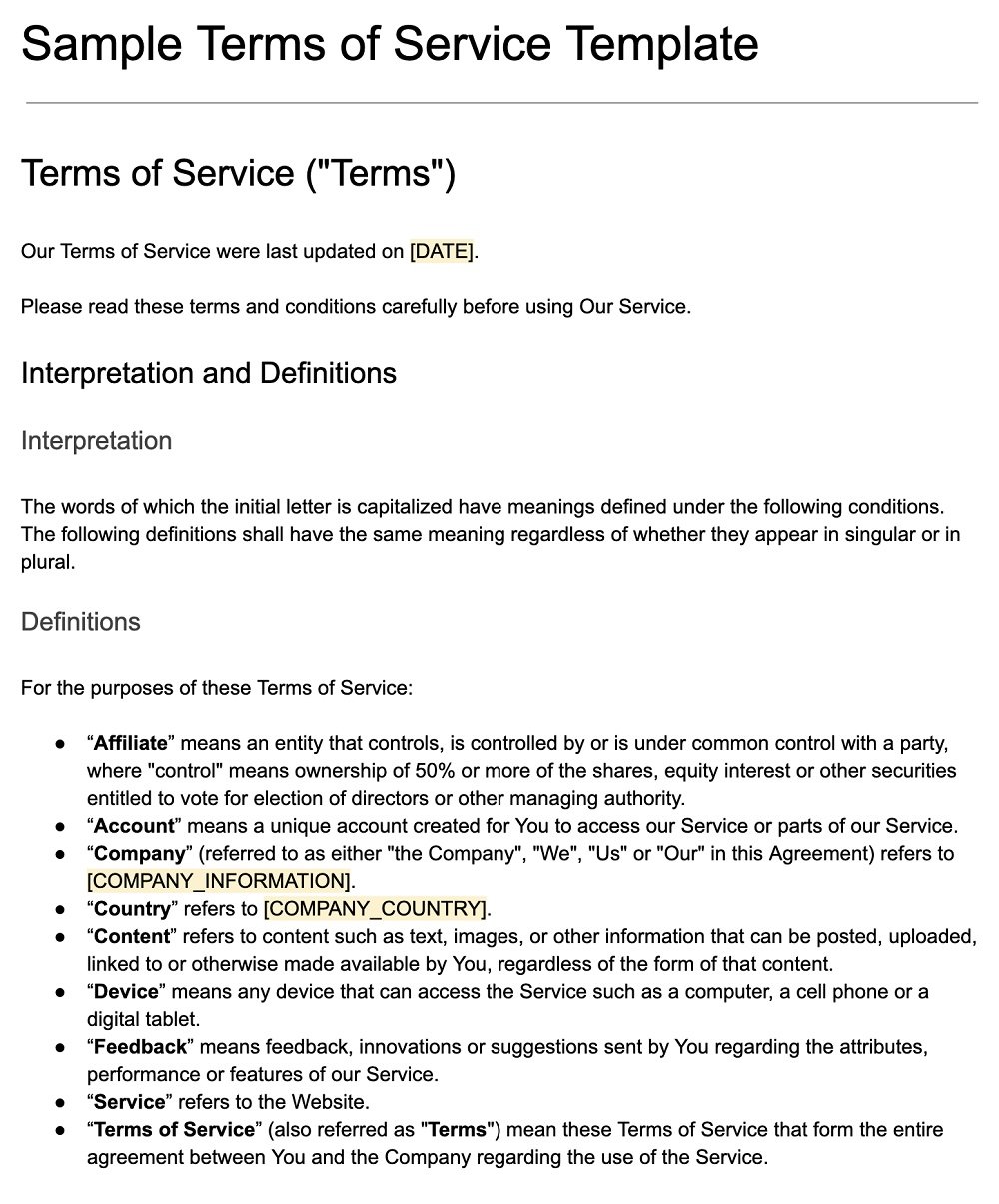
Activity: Outline Your Terms of Use (15 minutes)
You don't need to write a full legal document. Instead, open a text editor and, for a hypothetical first product (e.g., a pack of 5 minimalist desktop wallpapers), write 1-2 bullet points for each of the following clauses:
- License Grant: What rights are you giving the customer?
- Prohibited Uses: What are 3 things they absolutely cannot do?
- Disclaimer of Warranty: What aren't you promising? (e.g., color matching on all monitors).
This exercise will force you to think through the specific rules for your product and will serve as the basis for a more formal document later.
2. Crafting a Clear Refund Policy
A refund policy is one of the most important parts of your terms. For physical goods, returns are straightforward. For digital products, it's complicated—once downloaded, the product can't truly be "returned." This creates a fear for many sellers: "Won't people just download my product, ask for a refund, and keep it for free?"
Let's address this head-on.
How to Set Up a Refund Policy for your Digital Product Shop
In 'How to Set Up a Refund Policy for your Digital Product Shop,' Christina Scalera discusses her own successful strategy and the psychology behind it.
Watch from 0:31 to 5:26. Focus on: The rationale behind a 14-day 'any reason' policy versus shorter or longer periods. The importance of displaying the policy in multiple, clear locations. The concept of using an affidavit to deter misuse after a refund is issued. How a good policy can actually increase sales by building trust.
Common Refund Policies for Digital Products
You have a few options, each with pros and cons.
-
All Sales Are Final / No Refunds: This is very common for digital products.
- Pros: Protects you completely from "digital theft" and refund requests.
- Cons: Can scare away potential buyers who are worried about risk. It may also lead to more payment disputes (chargebacks), which are costly and can damage your reputation with payment processors.
-
Conditional Refunds: You only offer refunds under specific, limited circumstances.
- Examples: Product file is corrupt and cannot be opened, wrong product was delivered, or the product was "not as described" in a major way.
- Pros: A good middle-ground that feels fair to customers while still protecting you from abuse.
- Cons: You may need to arbitrate what "not as described" means.
-
Time-Limited, No-Questions-Asked: The policy discussed in the video (e.g., 7, 14, or 30 days).
- Pros: The ultimate trust-builder. It removes all risk for the buyer and can significantly increase conversion rates.
- Cons: You will inevitably process some refunds, and a small number of people may abuse it.
The article "Legal Agreements for Digital Products" from TermsFeed provides a good summary of this, particularly the common "No Returns, No Refunds Policy."
Legal Agreements for Digital Products - TermsFeed
To supplement the video, this section from a TermsFeed article explains the standard industry approach to refunds for digital goods.
Read just the 'Return and Refund Policy' section. Note the discussion of the 'No Returns, No Refunds Policy' and the importance of simple, straightforward language.

Activity: Draft Your Refund Policy (15 minutes)
For the same hypothetical wallpaper pack, draft a refund policy.
- Choose a policy type: Will you offer no refunds, conditional refunds, or a time-limited guarantee?
- Write the policy: In a few clear sentences, state your policy.
- If conditional, list the exact conditions (e.g., "A refund will be considered if the downloaded files are corrupted and a replacement cannot be provided.").
- If time-limited, state the duration and any requirements (e.g., "We offer a 14-day money-back guarantee. To request a refund, please reply to your purchase receipt email.").
- Specify the location: Where will you display this policy on your website? (Hint: The footer and product page are essential).
Disclaimer: This lesson provides general information for educational purposes only and does not constitute legal advice. It is always recommended to consult with a qualified legal professional for advice tailored to your specific business and jurisdiction.
Conclusion
You have now drafted the foundational legal and operational rules for your digital product business. These documents are not just about protecting yourself; they are about creating a professional and trustworthy experience for your customers. A clear set of rules eliminates confusion and builds the confidence needed to turn a visitor into a buyer.
Key Takeaways:
- A Terms of Use agreement is your contract with your customers. It should define the license you are granting them, outline prohibited uses of your intellectual property, and include disclaimers to limit your liability.
- A Refund Policy is crucial for managing customer expectations and building trust. For digital products, common policies range from "all sales final" to conditional or time-limited guarantees.
- Both documents must be clear, concise, and easy to find.
- For your Terms to be enforceable, you must obtain active consent, typically through an "I Agree" checkbox at checkout.
Preview of the Next Lesson
With your business policies defined, the next logical step is to determine your product's price. In the next lesson, we will explore pricing strategies (competitive, value-based, penetration) and select an approach for your first product. You'll learn how to value your work in a way that is fair to both you and your customers.