Hello! Welcome back to our module on the Foundations of SEO Automation.
In our last lesson, you learned to identify and prioritize key technical SEO issues that are prime candidates for automated monitoring. We categorized them into critical, important, and optimization tiers, establishing a clear framework for what to watch.
Today, we transition from theory to practice. Your goal for this lesson is to build a basic automated site health alert system for issues like broken links using a no-code tool. You'll construct your first "Zap"—an automated workflow—that connects your SEO audit tool to a notification system, creating a proactive defense against common site health problems. This is a foundational skill for scaling your SEO efforts and moving away from manual, reactive audits.
1. Understanding the No-Code Automation Engine: Zapier
Before we build, let's understand our primary tool. For this lesson, we'll focus on Zapier, one of the most popular no-code platforms. It acts as the digital "glue" that connects thousands of different web applications so they can talk to each other automatically.
The core concepts are simple, but powerful. To get a quick grasp of the terminology and interface, please watch the first minute of this video.
Learn Zapier in 7 minutes: Business & Personal Automation Tutorial For Beginners (2025)
The video 'Learn Zapier in 7 minutes' provides a concise introduction to the platform. We'll watch just the first part to understand the fundamental building blocks of any automation you'll create.
Watch from the beginning until 01:07. Focus on understanding the definitions of a Zap, a Trigger, and an Action. Think of it as an 'If This, Then That' rule.
To summarize the key terms:
- Zap: The entire automated workflow you create.
- Trigger: The event that starts the Zap (e.g., "a new email arrives").
- Action: The task the Zap performs after it's triggered (e.g., "send a message in Slack").
With this simple Trigger -> Action model, you can connect the tools you already use, like SEMrush, to create powerful, automated SEO monitoring systems.

2. Designing Our Broken Link Alert System
Let's apply the Trigger -> Action model to our goal: getting an alert when new broken links are found on our site. Since you're familiar with SEMrush, we'll use it as our audit tool.
- The Prerequisite: The Scheduled Crawl. For our alert system to be effective, we need data. This means setting up a recurring site audit within SEMrush. This is the process that will actually find the broken links.
- The Trigger: The Audit Completes. Our automation should kick off the moment SEMrush finishes its crawl. Therefore, our trigger will be "Site Audit Completed in SEMrush."
- The Action: The Notification. Once the audit is done, we want to be notified. A common and effective action is to "Send a Channel Message in Slack" or "Send an Email in Gmail" that contains the key findings.
This creates a simple but powerful flow: SEMrush runs a crawl on a schedule, and as soon as it's done, Zapier grabs the results and sends you an alert.
The following article from Zapier's blog outlines this exact strategy. It's a great reference for how to turn a reporting tool like SEMrush into a proactive monitoring engine.
The article '4 ways to automate Semrush' details several practical workflows. We'll focus on the sections relevant to building our alert system.
First, read the section 'Automatically run daily crawls' to understand how to set up the scheduled audit that will feed our automation. Then, read 'Send notifications from Semrush' to see how Zapier can trigger alerts when an audit completes. Notice the various apps you can send notifications to (Slack, Teams, Gmail).
3. Hands-On: Building Your First SEO Automation
Now, let's walk through the steps to build this workflow in Zapier. The following is a practical guide that combines the scheduling in SEMrush with the automation in Zapier.
This LinkedIn post provides a perfect, concise "quick setup" guide for exactly what we're about to build. It's a great real-world example of this workflow in action.
danielle iemola's Post on Automated Broken Link Checks
This LinkedIn post by Danielle Iemola perfectly summarizes the automation we're building. It's a great cheat sheet for the process.
Read the section under 'Zapier + SEMrush = Automated Broken Link Checks'. This provides the high-level steps we are about to follow.
Step 1: Set Up the Scheduled Audit in SEMrush
Before you even open Zapier, ensure your data source is ready.
- Go to your SEMrush project and navigate to the Site Audit tool.
- In the audit settings, configure a recurring crawl (e.g., weekly or daily). This ensures you always have fresh data.
Step 2: Create the Zap - The Trigger
Now, head over to Zapier.
- Click "Create Zap."
- For the Trigger, search for and select SEMrush.
- For the "Event," choose "Site Audit Completed."
- Connect your SEMrush account when prompted.
- Select the specific SEMrush Project you want to monitor from the dropdown list.
- Test the trigger. Zapier will pull in data from the most recent audit for that project. This sample data is crucial for setting up the next step.
Step 3: Create the Zap - The Action
This is where you decide how you'll be notified. We'll use Slack as an example.
-
For the Action, search for and select Slack.
-
For the "Event," choose "Send Channel Message."
-
Connect your Slack account.
-
Now, configure the message. This is the most important part! Instead of typing a static message, you will map data from the SEMrush trigger.
-
Channel: Choose the Slack channel where you want the alert posted (e.g.,
#seo-alerts). -
Message Text: Craft a useful message by clicking in the text box and selecting variables from the SEMrush trigger. A good alert might look like this:
SEMrush Audit Complete for [Project Name]!
Site Health: [Site Health Score]%
New Broken Links: [Number of issues with 'broken links' check]
Total Errors: [Total errors]View the full report: [Report URL]
By using these dynamic fields, each alert will contain the specific results of the latest audit.
-
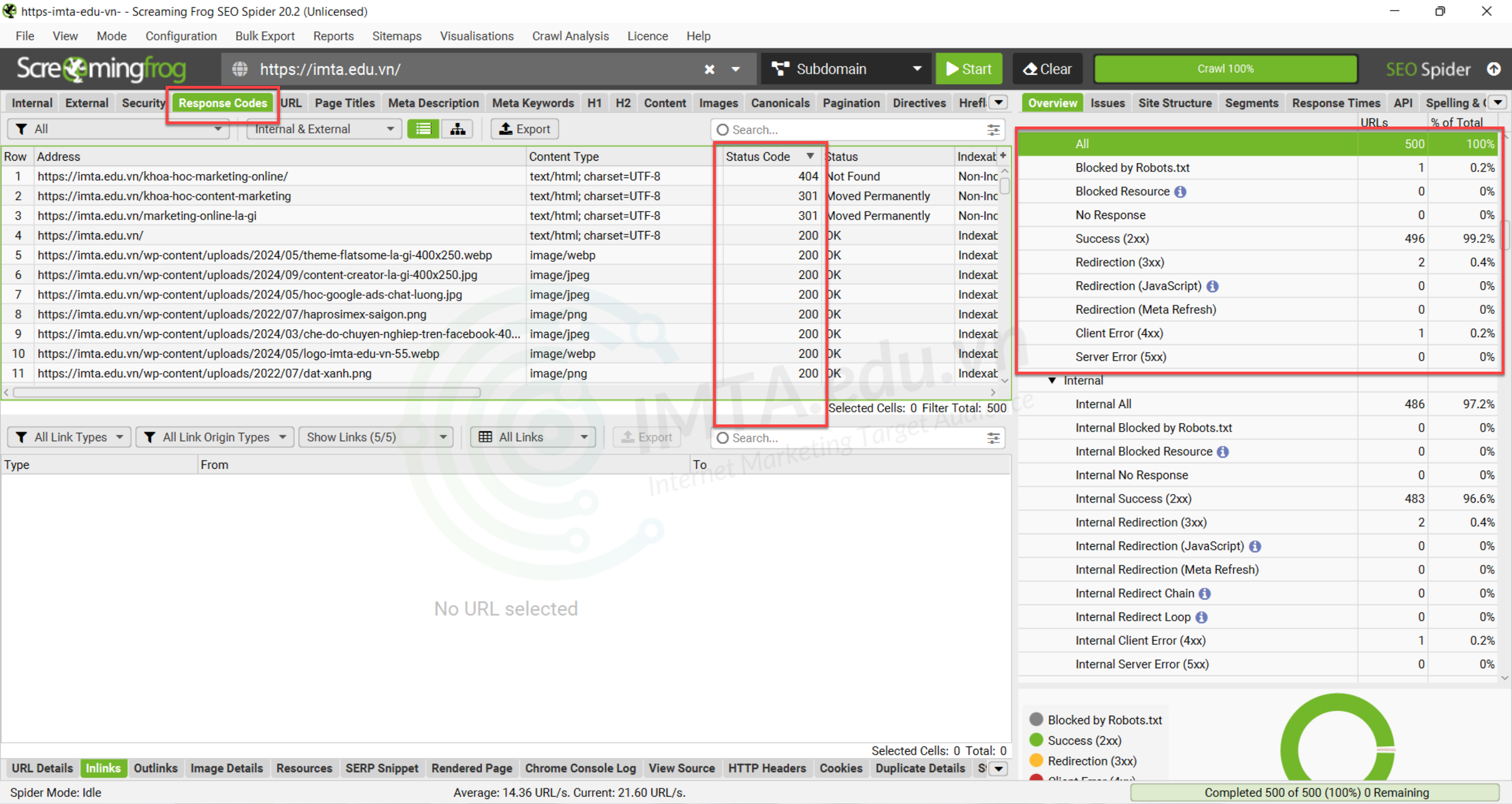
Step 4: Activate Your Zap
Once you're happy with the message, test the action. Zapier will send a real message to your Slack channel using the sample data. If it looks good, you can publish your Zap.
Congratulations! You've just built an automated system that will run in the background, keeping you informed of your site's health without you having to manually run and check reports.
Test your understanding!
Your current Zap alerts you every time an audit completes. However, this is creating noise because many audits find zero new issues. You only want to receive a Slack notification if the number of Total Errors found in the audit is greater than 0.
How would you modify your Zap to achieve this?
Show answer
You would add a Filter step between your Trigger and your Action.
- Click the
+icon between the SEMrush trigger and the Slack action. - Choose "Filter by Zapier."
- Set up the filter rule:
- In the first field, select the
Total errorsvariable from your SEMrush trigger. - In the second field, choose the condition "(Number) Greater than."
- In the third field, type
0.
- In the first field, select the
This filter acts as a gate. The Zap will now only proceed to the Slack action if the condition (Total Errors > 0) is met, ensuring you only get alerted when there's an actual problem to investigate.
Conclusion
In this lesson, you took a significant practical step into SEO automation. You moved beyond identifying issues to building a real workflow that monitors them for you.
Key Takeaways:
- No-code tools like Zapier operate on a simple but powerful Trigger -> Action model.
- A basic site health alert system connects an audit tool (the trigger source) with a notification tool (the action destination).
- The full workflow involves scheduling the crawl in your SEO tool and then building the Zap to handle the notification when the crawl completes.
- The power of these alerts comes from mapping dynamic data from the trigger into your action, providing actionable insights directly in your notification.
In our next lesson, we'll continue building on this foundation. We will move from monitoring site health issues to tracking performance by setting up automated rank tracking and reporting systems with custom alerts for significant ranking changes.