Hello and welcome back!
In our previous module, we mastered the art of AI-powered keyword research, culminating in building a data-driven strategy to identify and exploit keyword gaps. You now have a robust framework for figuring out what to target.
Now, we pivot from research to execution. Welcome to Module 2: AI-Driven Content Strategy & Creation. Over the next few lessons, we'll focus on how to use that keyword research to create content that not only satisfies users but is also engineered to rank.
Our first step is to build the blueprint for our content. This lesson addresses the learning outcome: Define the components of an AI-enhanced content brief, including target query, search intent, and key entities. A well-structured brief is the single most important document in the content creation process. It ensures that writers, strategists, and AI tools are all aligned, dramatically increasing the chances of success.
Let's begin by defining what makes a content brief "AI-enhanced."
1. From Traditional to AI-Enhanced Content Briefs
As an SEO specialist, you're certainly familiar with traditional content briefs: a set of instructions for a writer detailing the target keyword, audience, and a basic structure.
An AI-enhanced brief elevates this concept. It's not just a set of instructions; it's a data-driven strategic plan built from a deep analysis of the current search engine results page (SERP).
A practical guide to using an AI blog content brief for SEO
To understand this evolution, let's start with a foundational article, 'A practical guide to using an AI blog content brief for SEO'. This resource clearly explains the difference and sets the stage for the components we'll discuss.
Please read the introduction ('What is an AI blog content brief?') and the section 'Key components of an effective AI blog content brief'. Focus on how AI transforms the brief from a manual checklist into a data-backed roadmap.
As the article highlights, the key shift is from manually guessing what Google wants to using AI to systematically extract what's already working for top-ranking pages. This process is faster, more accurate, and aligns your content with proven success factors from the start.
2. The Core Components of an AI-Enhanced Brief
While an AI brief contains many elements, it's built around three core pillars: the target query, search intent, and key entities. Let's break each one down.
Component 1: Target Query and Search Intent
The target query is the primary keyword you're aiming to rank for, which you would have identified using the strategies from Module 1.
Search intent, however, is where AI begins to add significant value. You know the four main types of intent (Informational, Navigational, Commercial, Transactional). AI tools can analyze the SERP for your target query and provide a much deeper understanding of the audience's needs. This goes beyond simple classification into creating detailed user personas.
Semantic SEO: The quick approach to high ranking, high quality content using AI
The video 'Semantic SEO: The quick approach...' by Orbit Media Studios offers a brilliant, practical method for using AI to understand your audience on a deeper level. This directly informs how you should address search intent.
Watch the segment from 03:18 to 05:24. Pay close attention to the 'Persona prompt' used in ChatGPT. Notice how it asks for roles, goals, challenges, and crucially, decision criteria. This level of detail is essential for a writer to truly connect with the reader.
By generating a detailed persona, you move from a vague notion of "informational intent" to a concrete understanding of a person's specific problems and what they need to see to be persuaded. The brief should include this persona to guide the writer's tone, language, and focus.
Component 2: Key Entities and Semantic SEO
This is where modern, AI-driven SEO truly diverges from old-school keyword stuffing. An entity is a specific, well-defined concept or object that Google understands, such as a person, place, product, or organization.
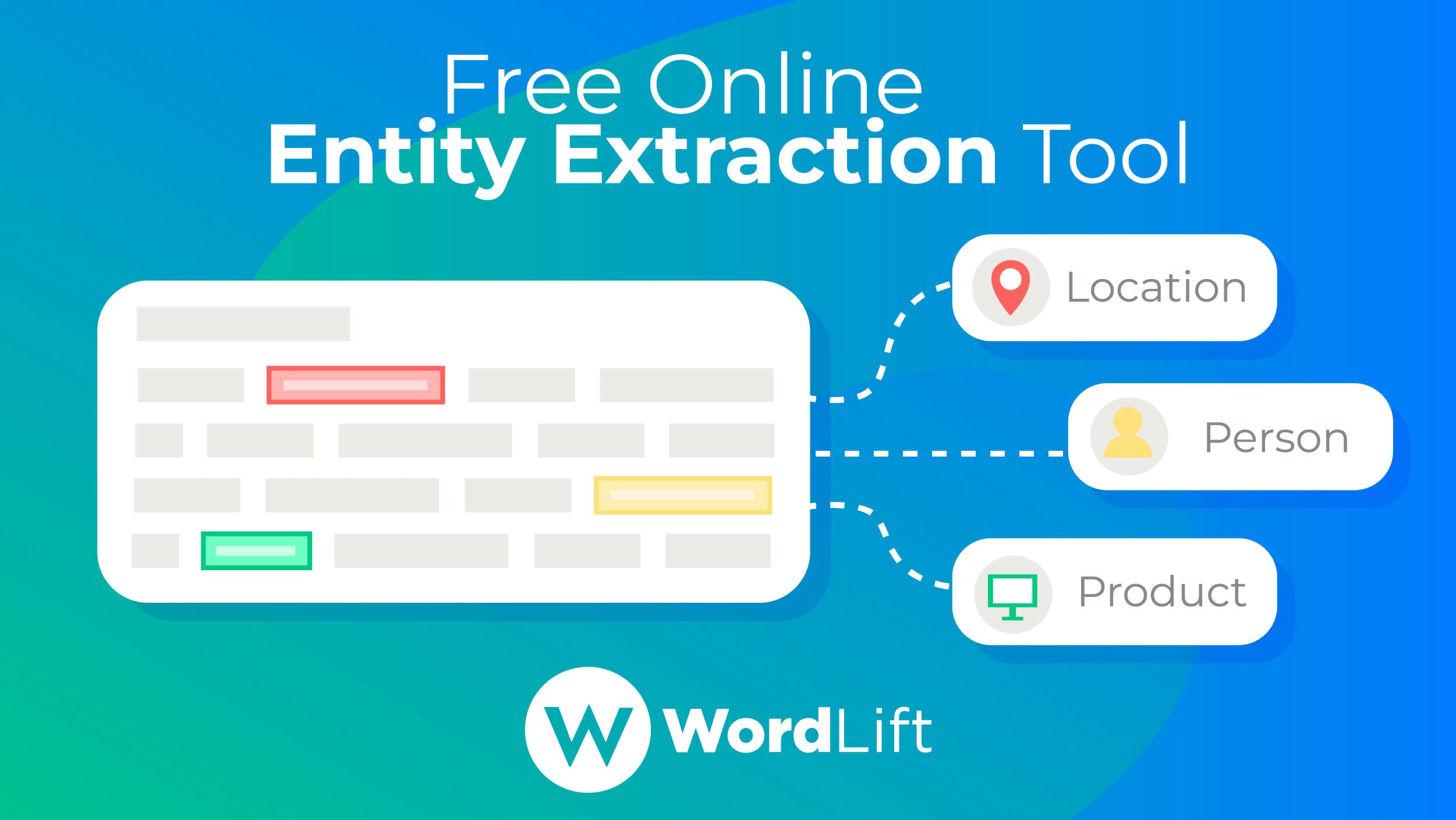
Including relevant entities in your content signals to Google that you are covering a topic comprehensively. Your content brief must list the essential entities a writer should include. The question is, how do you find them?
This is where we introduce the concept of first-degree entities: the people, places, and concepts most directly and fundamentally related to your target query.
SEO Entities to Increase Rankings Example | Rule Your Rankings
The video 'SEO Entities to Increase Rankings Example' by Marie Ysais provides an excellent, tool-based demonstration of how to identify these crucial entities.
Please watch from the beginning to 08:36. Focus on these key points: The definition of a 'first-degree entity' (00:00 - 02:32): Understand the difference between a generally related entity and a highly relevant one. Using a tool to find missing entities (02:32 - 06:59): See how a tool like on-page.ai analyzes a page and identifies 'highly related words' that are missing. This is a core function of AI content brief tools. The impact of adding entities (06:59 - 08:36): Note the emphasis on how including these missing entities directly impacts rankings.
The key takeaway is that an AI-enhanced brief doesn't just list keywords. It provides a list of "highly related words" or entities that are essential for demonstrating topical authority. The writer's job is to naturally weave these concepts into the narrative.
3. Assembling the Complete AI-Enhanced Brief
Now that we have the core components, let's look at the structure of the full brief. It consolidates our query, intent analysis, and entity list into a complete set of instructions.
A comprehensive AI-enhanced brief, generated by tools like SurferSEO, Frase, or custom AI prompts, typically includes:
- Target Query, Persona, and Search Intent: The foundational elements we've discussed.
- Competitor-Driven Outline: An AI-generated structure of H2s and H3s based on an analysis of the top-ranking articles. This ensures you cover all essential subtopics.
- Key Entities & LSI Keywords: A list of semantically related terms to include.
- "People Also Ask" Questions: A list of questions scraped from the SERP that should be answered in the content.
- Internal & External Linking Suggestions: Recommendations for relevant internal pages to link to and authoritative external sources to cite.
- Target Word Count & Readability Score: Benchmarks based on the average of the top competitors.
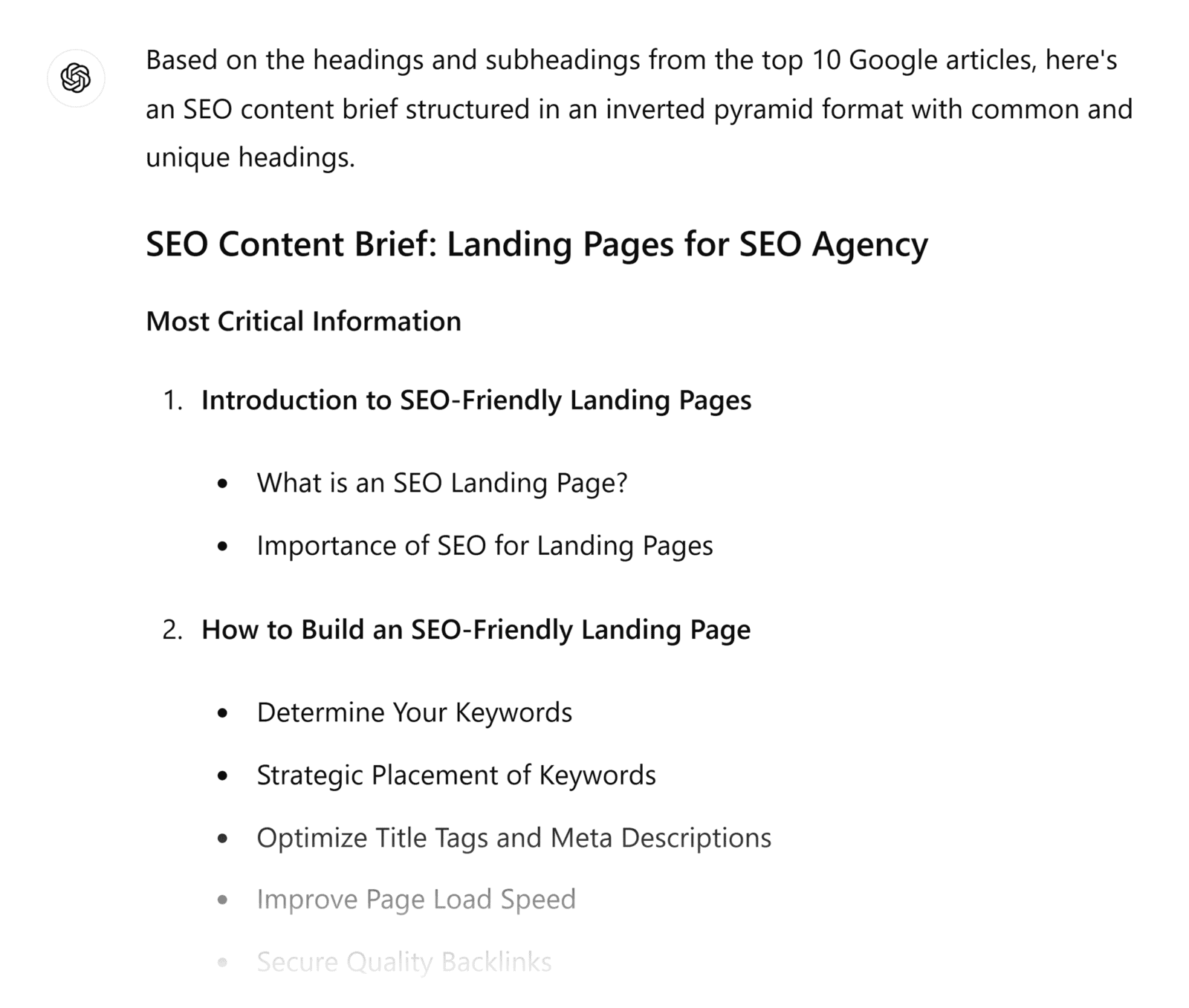
To tie all these elements together in a powerful and practical way, we can use a summary prompt.
Semantic SEO: The quick approach to high ranking, high quality content using AI
Let's return to the 'Semantic SEO' video. The final prompt shown is a masterful way to synthesize audience needs, on-page optimization, and keyword relevance into a single, actionable table—the essence of an AI-enhanced brief.
Watch the section on the 'money prompt' from 05:49 to 06:55. This prompt asks the AI to create a table combining the persona's needs, the page's ability to persuade (conversion clarity), and keyword relevance. This is a perfect executive summary for your content brief.
This table acts as a strategic summary for the writer, telling them not just what to write about, but why it matters to the audience and the business.
Test your understanding!
You are tasked with creating an AI-enhanced content brief for the target query: "best project management software for small business".
Based on this lesson, list three key components you would include in the brief. For the "Key Entities" component, provide at least five examples of entities you would expect an AI tool to suggest.
Show answer
Here are three key components for the brief:
-
Target Audience Persona: An AI-generated persona of a small business owner. It would detail their goals (e.g., improve team efficiency, reduce costs), challenges (e.g., limited budget, non-technical team members), and key decision criteria (e.g., ease of use, affordable pricing, good customer support, key integrations).
-
Key Entities: A list of highly related concepts the content must mention to be comprehensive. Examples would include:
- Specific software names (e.g., Asana, Trello, Monday.com, ClickUp)
- Key features (e.g., Gantt charts, Kanban boards, time tracking, reporting)
- Related concepts (e.g., collaboration, workflow automation, task management, agile methodology)
- Pricing models (e.g., freemium, per-user pricing, subscription)
- Integration platforms (e.g., Slack, Google Drive, Zapier)
-
Competitor-Driven Outline: An H2/H3 structure based on top-ranking articles. It would likely include sections like "What to Look for in Project Management Software," individual reviews of the top 3-5 tools, a feature comparison table, and a "Final Verdict" or "Best for..." section.
Conclusion
In this lesson, we've defined the essential components of a modern, AI-enhanced content brief. You've learned that it's a data-driven blueprint that moves far beyond a simple keyword and outline.
Key Takeaways:
- An AI-enhanced content brief uses AI to analyze top-ranking content and create a data-backed plan for success.
- The core components are the target query, a deep understanding of search intent (via AI-generated personas), and a list of crucial key entities.
- These briefs also include competitor-driven outlines, "People Also Ask" questions, and linking suggestions to ensure comprehensive topical coverage.
- Advanced AI prompts can synthesize audience needs and SEO requirements into a single, actionable summary for the writer.
You now have the framework for creating a powerful brief. The next logical step is to dive deeper into the tools and techniques used to generate these components.
In our next lesson, we will focus on the second part of the process: "Use AI tools to analyze top-ranking content to extract structural patterns and semantic themes." We will explore the specific features in tools like SurferSEO, Frase, and others that perform this analysis and turn SERP data into a concrete content plan.