Hello! Welcome to the fifth lesson in our final module, The Future: AI & First-Party Data.
In our last lesson, we explored the critical limitations and risks of using AI in marketing, focusing on accuracy, bias, copyright, and authenticity. A key risk we discussed was privacy and the erosion of customer trust when data is used in ways that feel intrusive. This provides a perfect bridge to today's topic, which is the cornerstone of building a trusted, direct relationship with your guests: first-party data.
As privacy regulations tighten and third-party cookies are phased out, the ability to collect and use your own data is no longer just a good practice—it's a fundamental requirement for effective and sustainable marketing. Today's learning outcome is to develop a strategy to increase first-party data collection (e.g., via loyalty programs, gated content). We will focus on practical, actionable methods you can implement directly in your hotel business.
1. Understanding First-Party Data and Its Importance
Before we build a strategy, let's solidify our understanding of what first-party data is and why it's so crucial now.
To start, let's watch a short, clear definition of first-party data.
What is First-Party Data? Reach Your Audience Without Third-Party Cookies
This video from WebFX offers a great introduction to the concept of first-party data and the tools used to manage it, like CRMs (Customer Relationship Management systems).
Watch from 00:54 to 02:31. Focus on the core definition: information your business collects directly from your audience.
In short, first-party data is the information you collect and own. This includes:
- Email addresses from your newsletter sign-up form.
- Guest details from your booking engine (name, contact info, stay history).
- User behavior on your website tracked via Google Analytics.
- Guest preferences noted by your front desk staff.
The shift towards first-party data is one of the most significant trends in digital marketing today, driven by the decline of third-party cookies and increasing privacy concerns.
6 Marketing Trends You Need to Know
This clip from HubSpot quickly explains the 'why' behind the push for first-party data. It directly connects the disappearance of third-party cookies and rising ad costs to the need for brands to 'own their audience'.
Please watch from 04:20 to 04:55. This will reinforce why the strategies we're about to discuss are so vital for your hotel's future profitability.
For a hotelier, owning your audience data means you can build direct relationships, reduce commission payments to Online Travel Agencies (OTAs), and create highly personalized experiences that foster loyalty.
2. A Hotelier's Strategy for Collecting First-Party Data
Now, let's build a practical strategy. The best approach is to identify all the touchpoints where you can ethically and transparently collect guest information in exchange for value. The core principle is a fair exchange: your guest provides their data, and you provide them with better service, relevant offers, or useful content.
The following article is an excellent guide written specifically for hoteliers. We'll use it as a foundation for our strategy.
A Hotelier's Guide to Collecting and Using First-party Data
Please read the following sections from 'A Hotelier's Guide to Collecting and Using First-party Data' by WebRezPro. It outlines the key moments in the guest journey where data collection is possible.
Read the section titled 'How Can Hoteliers Collect First-party Data?'. Pay close attention to the various touchpoints mentioned, from booking to post-stay emails.
Let's organize these ideas into a clear, actionable strategy for your hotel.
Step 1: Optimize Your Website for Data Capture
Your website is your most valuable data collection tool.
- Email Subscriptions: Place a clear call-to-action (CTA) on your homepage and throughout your site for guests to subscribe to your newsletter. Offer an incentive, such as "Be the first to know about exclusive offers" or "Get our guide to the best local restaurants."
- Booking Engine: Ensure your direct booking form includes an explicit opt-in checkbox for marketing communications. This is essential for compliance. Don't make it pre-checked.
- Gated Content: This is a powerful strategy mentioned in our learning outcome. It involves offering a high-value piece of content for free in exchange for an email address. For a hotel, this could be:
- A downloadable PDF: "The Ultimate 3-Day Itinerary for [Your City]"
- A checklist: "Wedding Venue Planning Checklist"
- A guide: "A Business Traveler's Guide to [Your City's Business District]"
This strategy helps you identify potential guests and their interests before they are ready to book.
Step 2: Leverage the Guest Cycle
Integrate data collection into the natural flow of a guest's stay.
- Booking & Pre-Stay: During booking, you collect the basics. In the confirmation or pre-stay email, you can ask for more details to enhance their stay. For example: "Are you celebrating a special occasion?" or "Would you like to pre-book a spa treatment?"
- Check-in: The check-in process (whether digital or in-person) is a prime opportunity to confirm details and fill in gaps in the guest profile.
- Post-Stay: The post-stay email is perfect for gathering feedback through a survey. You can also use this opportunity to invite them to join your loyalty program to get a discount on their next stay.
Step 3: Implement a Loyalty Program
A loyalty program is perhaps the single most effective strategy for long-term first-party data collection and guest retention. It formalizes the value exchange: guests provide their information and continued business in return for tangible rewards.
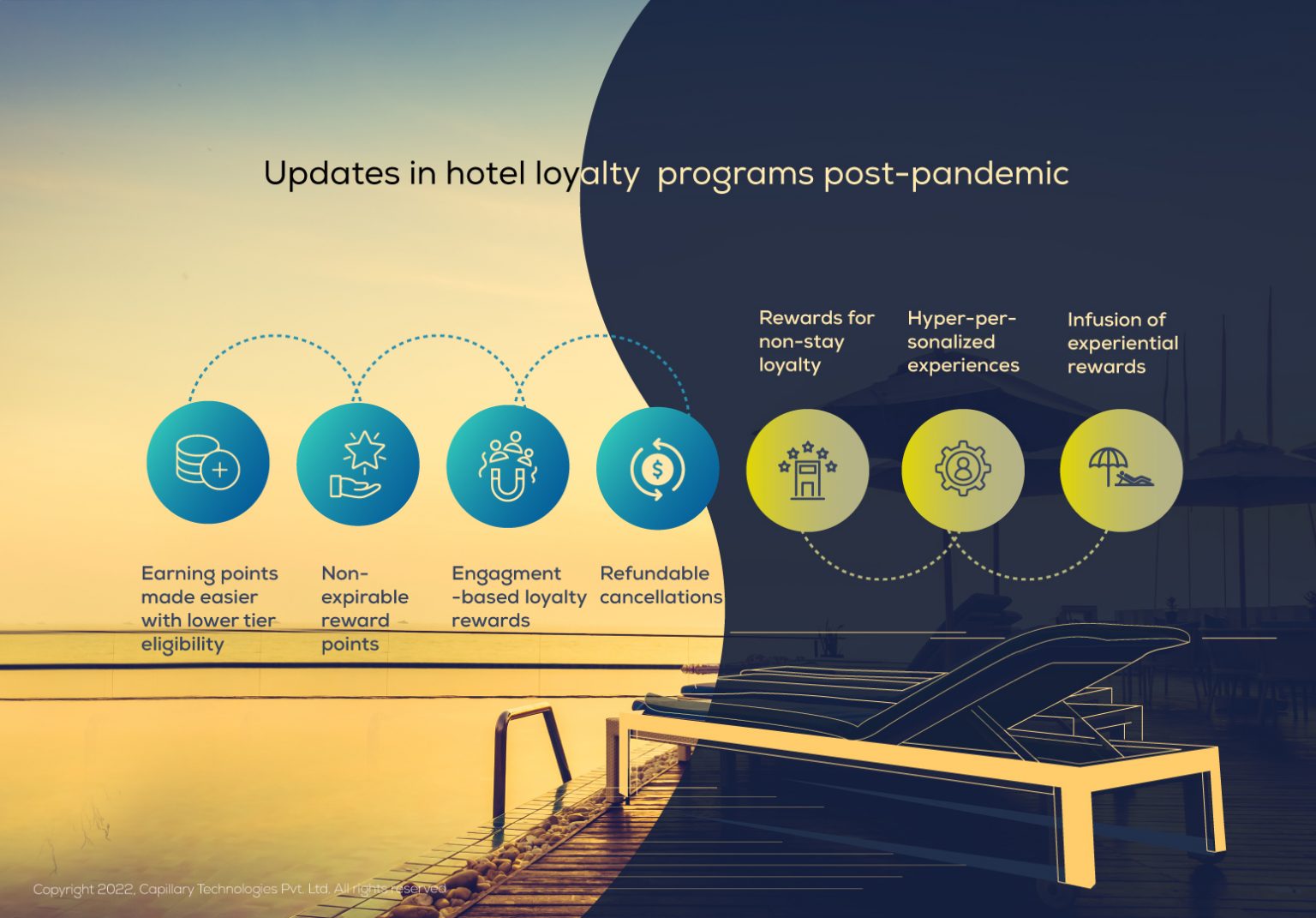
To understand how to build a program that works for an independent hotel, let's explore a dedicated guide.
A Guide to Building a Hotel Loyalty Program
The article 'A Guide to Building a Hotel Loyalty Program' by Canary Technologies provides a fantastic, step-by-step approach to designing and launching a rewards program.
First, read the section '4 Steps to Design Your Rewards System'. This gives you a clear framework. Then, read 'How to Debut Your Loyalty Program to Guests' to understand how to promote it effectively.
Key takeaways for your loyalty program strategy:
- Define Your Objective: Is your main goal to increase repeat bookings, drive ancillary revenue (e.g., spa, restaurant), or both? Your goal will shape your rewards.
- Start Simple: You don't need a complex, multi-tiered system like the major chains. A simple points-based or stamp-card system can be very effective.
- Example Rewards:
- Free room upgrade on next stay
- Complimentary late check-out
- A free drink at the hotel bar
- 10% off a future booking
- Example Rewards:
- Promote it Everywhere: As the article suggests, market your program to potential guests on your website, to booked guests in pre-arrival emails, to current guests at check-in, and to past guests via a targeted email campaign. A fantastic tactic mentioned is tying free Wi-Fi access to loyalty program membership—a powerful incentive for sign-ups.
Test your understanding!
Your hotel has a popular restaurant and wants to attract more local diners, not just hotel guests. Based on what you've learned, propose one "gated content" idea and one "loyalty program" idea to build a first-party data list of local residents interested in your restaurant.
Show answer
- Gated Content Idea: Create a downloadable "Seasonal Recipe Guide from Our Head Chef" featuring one or two signature dishes. Promote this on social media and your website, requiring an email address to download. This identifies people specifically interested in your food.
- Loyalty Program Idea: Launch a "Local Dining Club." It could be a simple program where members get a 10% discount on meals, a free dessert on their birthday, and are the first to know about special tasting events. Sign-up can be done at the restaurant via a simple form or QR code, collecting names and emails.
3. A Strategic Framework for Implementation
To bring all these tactics together, it helps to have a high-level strategic framework. This ensures your data collection efforts are purposeful and aligned with your business goals.

Using this framework for your hotel:
- Define Business Goals: (e.g., "Increase direct bookings by 20%," "Grow our weekend leisure segment.")
- Recognize Target Audience: (e.g., "Couples looking for a romantic getaway," "Families needing kid-friendly amenities.")
- Map the Customer's Journey: (This is what we did in Step 2, identifying all the touchpoints.)
- Optimize a Customer Data Platform (CDP): For an independent hotel, this might simply mean using your Property Management System (PMS) and email marketing tool (like Mailchimp) effectively to store and segment guest data.
- Integrate Data: Ensure your booking engine, PMS, and email platform can "talk" to each other to create a unified view of your guests.
- Measure Success: Track metrics like the growth of your email list, the repeat booking rate of loyalty members vs. non-members, and the conversion rate from gated content leads.
Finally, always remember the foundation of this entire strategy: trust.
A Hotelier's Guide to Collecting and Using First-party Data
To conclude, let's revisit the 'Hotelier's Guide' for a crucial reminder on privacy and compliance.
Please read the short section 'Data Privacy and Compliance'. This reinforces the importance of transparency and security.
Conclusion
In an increasingly privacy-focused digital world, your first-party data is your most valuable marketing asset. It allows you to move away from a reliance on third-party platforms and build direct, profitable relationships with your guests.
Key Takeaways:
- First-party data is information you collect directly from your audience. It is essential for personalization and navigating the post-cookie internet.
- A hotel's data collection strategy should be integrated across the entire guest journey, from website visit to post-stay feedback.
- Gated content (like guides or checklists) is an effective way to capture high-intent leads before they are ready to book.
- Loyalty programs are a powerful engine for data collection, offering a clear value exchange that builds long-term relationships and drives repeat business.
- All data collection must be transparent, secure, and compliant with privacy regulations to maintain guest trust.
What's Next?
We are now at the end of our final content module. You've covered strategy, measurement, implementation across Meta and Google, analytics, automation, and future-facing topics like AI and first-party data.
The final lesson in this course is a capstone. We will shift focus from learning new topics to ensuring you can keep learning effectively in the future. The last lesson will guide you to create a personal continuous learning plan to stay current with marketing technology, empowering you to keep your skills sharp for 2026 and beyond.