Hello! Welcome to the final lesson of your course, Mastering digital marketing for 2026 and beyond.
Congratulations on making it to the end of our journey together! Over the past 11 modules, you've built a comprehensive understanding of digital marketing, from the strategic foundations of the marketing funnel all the way to advanced, future-focused topics like AI and first-party data. In our last lesson, you developed a strategy to collect first-party data, a crucial skill for building direct relationships with your hotel guests in a privacy-centric world.
Today, we take the final and most important step. The world of digital marketing, as you've seen, is in a constant state of evolution. The tools and tactics that are effective today might be outdated tomorrow. Therefore, the single most valuable skill you can possess is not mastery of a specific platform, but the ability to continuously learn and adapt.
This final lesson is designed to equip you for that future. Our learning outcome is to create a personal continuous learning plan to stay current with marketing technology. We will build a structured, practical plan that you can use to keep your skills sharp and relevant long after this course is complete, ensuring you are always ready for what's next in marketing for 2026 and beyond.
1. The Why: Future-Proofing Your Marketing Career
The term "future-proof" means remaining valuable and successful as the world changes. In digital marketing, this isn't just a concept; it's a necessity.
Digital marketing training to future-proof your career
To start, let's explore what it means to be 'future-proof' in a marketing context. This article from Smart Insights introduces the critical concept of 'learning agility'.
Read the introductory sections, starting from 'What does future-proof digital marketing training look like?' down to just before the subheading 'What could this mean for the digital marketing workforce?'. Focus on the definition of future-proofing and the idea that learning is the new pension.
As the article suggests, your career sustainability depends less on what you've already learned and more on your commitment to learning new things. The rise of AI makes this more urgent than ever. We are at a unique moment in time that some experts call the "jagged frontier."
Top 6 AI Trends That Will Define 2026 (backed by data)
This short clip from Jeff Su powerfully articulates why now is the perfect time to be a learner. He explains that because of AI, expertise is being reset across many fields.
Watch from 12:32 to 13:03. Listen for the phrase 'the jagged frontier of AI' and the key takeaway: you just need to be willing to learn faster than the person next to you.
This "reset" is a massive opportunity. Your background as a hotelier gives you deep domain expertise. By combining that with a commitment to continuous learning in marketing technology, you can build an unparalleled advantage. The goal isn't to know everything at once, but to have a system for staying smart.
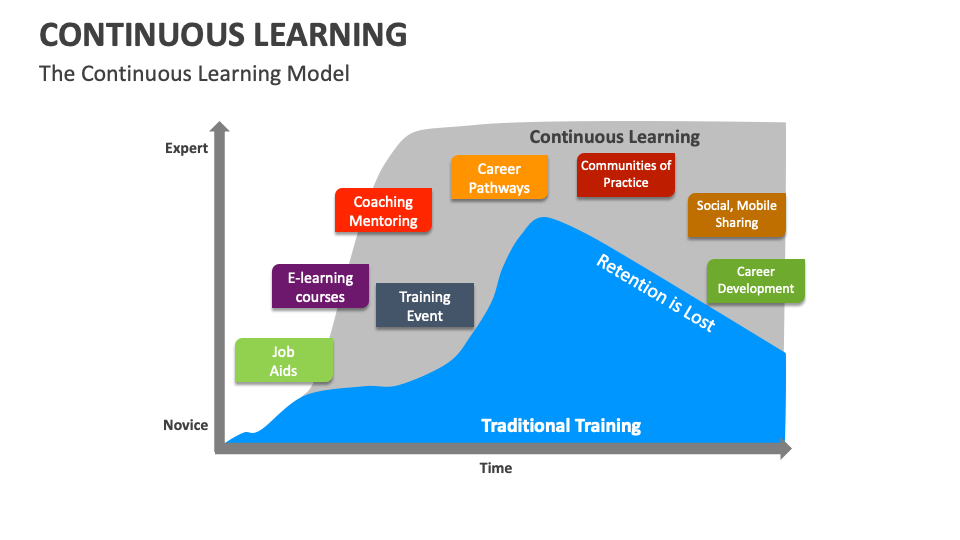
2. The What: A Framework for Your Personal Learning Plan
A good plan provides structure and turns intentions into actions. We'll use a step-by-step framework to build your continuous learning plan.
How to Build Your Personal Study Plan in 2025
This article from WebMarketingMentor provides an excellent, practical guide to creating a personalized study path. We will use its structure for your own plan.
Read the section 'How to Build Your Customised Digital Marketing Study Path (Step-by-Step)'. This covers the seven key steps we'll be adapting.
Let's walk through these steps and tailor them to you.
Step 1: Define Your Learning Intent
Your overarching goal is already clear: "Mastering digital marketing for 2026 and beyond" for your hotel. Now, let's make it more specific for the next 6-12 months. Is it to increase direct bookings by 30%? To become the go-to expert for Meta Ads in your local hospitality community? Be specific.
Step 2: Assess Your Current Skills
Reflect on this course. Which topics felt most challenging? Where do you feel most confident? This course has given you a broad foundation, and you already had practical experience with Meta Ads. Your interests lie in paid ads, analytics, and automation. This assessment helps you decide where to go deeper.
Step 3 & 4: Choose a Specialization
You can't master everything at once. The most effective approach is to go deep in one area first, then expand.
How I Would Learn Digital Marketing (If I Could Start Over)
This video from Ahrefs makes a strong case for choosing one area to focus on before trying to become a generalist. This is a crucial piece of advice for avoiding overwhelm.
First, watch from 00:32 to 02:06 to understand the 'choose one area' principle. Then, jump to 09:42 - 11:51 to see the different long-term career paths: generalist, niche specialist, or expanding to complementary skills.
Given your interests, your specialization could be Performance Marketing for Hospitality, which neatly combines paid ads (Meta/Google) and analytics (GA4/Looker Studio). Or you might focus solely on Advanced Marketing Automation to perfect the guest journey.
Step 5: Build a Weekly Learning Framework
You've committed to one hour per day. The WebMarketingMentor article suggests a balanced structure we can adapt:
- Structured Lessons (3-4 hours/week): Watching course videos, reading articles, working towards a certification.
- Practical Application (2-3 hours/week): This is your superpower. Apply what you learn directly to your hotel's marketing. Build that new GA4 report, test a new ad creative on Meta, or set up that abandoned booking email sequence.
- Reflection & Networking (1 hour/week): Review your results, read commentary from experts, or connect with another marketer.
Step 6: Integrate Certifications Strategically
Certifications validate your skills. Based on your goals, these are highly relevant:
- Meta Certified Digital Marketing Associate (or more advanced ones later)
- Google Ads Certifications (Search, Display)
- Google Analytics 4 Certification
Plan to tackle one of these every 6 months to align with your learning path.
Step 7: Track and Optimize Your Progress
Use a simple tool like a spreadsheet, Notion, or Trello to list your goals and track your weekly progress. Every three months, review your plan and adjust it based on new trends or changing business priorities.
3. The How: Putting Your Plan into Action
A plan is only as good as its execution. Here’s how to bring your learning to life.
A Bias for Action: Practice, Practice, Practice
Theory is important, but results come from doing. Your hotel is the perfect laboratory.
How I Would Learn Digital Marketing (If I Could Start Over)
Let's revisit the Ahrefs video for a reminder on the importance of practice and cutting out distractions.
Watch from 04:26 to 05:46. The key message is to stop consuming new content for a period and focus entirely on doing what you've already learned.
When you learn about Performance Max campaigns, set one up for your hotel. When you study funnel exploration in GA4, build one for your booking process. This hands-on application will accelerate your learning tenfold.
Staying Current: Your Information Diet
To stay ahead, you need to curate a high-quality "information diet."
How to Build Your Personal Study Plan in 2025
The WebMarketingMentor article has great advice on how to stay up-to-date. It's about more than just reading; it's about active engagement.
Read the section 'Staying Up-to-Date with Industry Trends'. Notice the emphasis on webinars, forums, and following thought leaders.
Here are some recommended resource types to build into your plan:
- Hospitality-Specific News: Skift, PhocusWire (for travel tech trends).
- Digital Marketing News: Search Engine Land, Social Media Today, The Verge (for big tech news).
- Expert Blogs/Newsletters: The official blogs from Google and Meta, and newsletters from industry leaders like Ben Thompson (Stratechery) for high-level strategy.
- Podcasts: The Digital Marketing Podcast, Marketing Over Coffee. Find one that fits your commute or routine.
Building Your Network
Learning doesn't happen in a vacuum. Connecting with other professionals is a powerful way to learn, share challenges, and discover opportunities.
How I Would Learn Digital Marketing (If I Could Start Over)
Finally, the Ahrefs video offers excellent advice on networking with both peers and experts in your field.
Watch from 08:06 to 09:42. Pay attention to the two groups of people to network with and the simple, no-agenda approach to reaching out to experts.
Test your understanding!
Imagine you want to get better at using AI for ad creative. Following the principles you've just learned, what would be three distinct actions you could take over the next month?
Show answer
- Structured Learning: Find and watch 2-3 recent YouTube tutorials on using Midjourney or DALL-E 3 for generating ad concepts.
- Practical Application: Use an AI image generator to create three new image concepts for a Meta ad campaign promoting a "Weekend Getaway" package for your hotel. Run an A/B test against your existing ads.
- Networking/Reflection: Share your AI-generated ad and its performance results in a LinkedIn post, asking for feedback from your network. Or, find a marketer on LinkedIn who posts about AI creative and send them a message asking for their opinion on your work.
4. Your Personal Continuous Learning Plan [Template]
Now it's time to create your own plan. Copy the template below into a document or tool of your choice and fill it out. This is your personal roadmap for the next six months.
My Continuous Learning Plan
1. Primary Learning Goal (Next 6 Months):
(Be specific. E.g., "Increase direct booking conversion rate by 15% by becoming an expert in GA4 and conversion-focused Meta campaigns.")
2. My Specialization Focus:
(Choose one main area. E.g., Performance Marketing, Marketing Automation, SEO for Hospitality.)
3. Key Skills to Develop (3-5 bullet points):
(List specific skills. E.g., "Build advanced funnel exploration reports in GA4," "Master Meta's Advantage+ Shopping Campaigns," "Write effective abandoned cart email sequences.")
*
*
*
4. Learning Activities & Resources:
(List the specific courses, blogs, podcasts, and projects you'll use.)
- Certification Goal:
- Key Blogs/Newsletters to Follow:
- Practical Project:
5. My Weekly Learning Schedule (1 hour/day):
(Allocate your time. E.g., Mon/Tues: Certification course. Wed/Thurs: Practical project. Fri: Read industry news.)
- Monday:
- Tuesday:
- Wednesday:
- Thursday:
- Friday:
- Weekend (Optional):
6. How I Will Track Progress:
(What tool will you use? How often will you review? E.g., "Update my Notion page weekly; review plan quarterly.")
Conclusion and Course Wrap-Up
You have reached the end of this course, but you are at the very beginning of your journey as a lifelong learner in digital marketing. We've gone from marketing foundations to the cutting edge of AI, and you have built a powerful, holistic skill set tailored to the hotel industry.
Key Takeaways from Today's Lesson:
- Continuous learning is the most critical skill for a durable career in digital marketing.
- A structured learning plan helps you focus your efforts, covering your goals, specialization, resources, and schedule.
- The most effective learning combines theory, practice, and reflection. Your hotel is your best classroom.
- Success requires a growth mindset—an understanding that your abilities can be developed through dedication and hard work.
Thank you for your commitment and hard work throughout this course. You have the foundation, the tools, and now a plan to keep growing. The future of marketing is dynamic and full of opportunity, and you are now well-equipped to lead the way in your field. I wish you the very best in applying everything you have learned to achieve great success with your hotel.