Hello! In our last lesson, we focused on crafting the perfect text-based outreach to start conversations with fitness and mindset coaches. You learned how to write a message that is personal, valuable, and easy to respond to. Now, we're going to build on that foundation and add a powerful tool to your arsenal that will make you truly stand out.
This lesson is all about scripting and recording a short, personalized video pitch. In a crowded inbox, a well-made video is your opportunity to move beyond text and showcase your personality, confidence, and communication skills—the very qualities a coach looks for in a DM setter. By the end of our time today, you'll have a complete framework for creating compelling videos that get you noticed and land you interviews.
Why Video is Your Unfair Advantage
Before we get into the "how," let's solidify the "why." Sending a personalized video isn't just a gimmick; it's a strategic move to build connection and trust instantly. For someone in your position, where you're competing on the quality of your communication rather than a long list of sales metrics, video is a game-changer.
Let's hear from another DM setter who successfully landed a role in this space. He emphasizes how crucial video is in the application process.
How I landed a DM setting role in 30 days | Oliver Brown ...
This LinkedIn post is from a DM setter breaking down his 30-day plan to get hired. His final step highlights the exact skill we're covering today.
Read the section titled "close the deal." Pay close attention to his point about mastering the "loom video." He notes that sending a video, even when it's not asked for, can be the single deciding factor that makes you stand out from the competition.
This is because video allows you to compete on attributes that a resume can't show: your charisma, your energy, and your genuine interest in the role. A short video demonstrates effort and attention to detail, which are markers of a great employee.
The perfect 4-step Loom video framework for high-ticket sales (with examples)
This video from Serial Sales breaks down the strategy behind using Loom videos for sales applications. It directly addresses how to leverage video when you don't have years of sales experience.
Watch these two key segments: First, watch the section on competing on different attributes. The speaker explains that video lets you showcase effort, charisma, and attention to detail—things that are often more valuable to an employer than a simple list of past jobs. Next, watch the segment on the real objective of the video. Understand that your goal isn't to get hired on the spot, but to create enough intrigue to land the interview.
Part 1: Scripting Your 60-Second Pitch
With the right strategy, a 60 to 90-second video is all you need. The goal is to be concise, impactful, and conversational. We'll use a simple four-part structure to script your video.
The 4-Part Video Script Framework
- The Introduction (5-10 seconds): Briefly say who you are and address the coach by name. Start with high energy to grab their attention immediately.
- The Context (10-15 seconds): State why you're reaching out specifically to them. This shows you've done your research and aren't just spamming people.
- The Connection (30-40 seconds): This is the heart of your video. Explain why you are uniquely suited to connect with their audience and their mission. This is where you build a narrative.
- The Call to Action (5-10 seconds): End with a clear, confident, and low-friction next step.
Let's dive into what makes each of these parts effective.
Improve Your Remote Sales Loom Applications by 379%
This video by Jackson Bardsley provides an excellent, detailed breakdown of this four-part structure, with specific advice tailored to landing roles with online coaches.
As you watch, think about how you would apply this to a fitness or mindset coach you're interested in: The Framework: Get a quick overview of the four-part structure. The Introduction: Notice the emphasis on energy and a powerful "interest line." Background & Experience: Learn how to frame your past experience, even if it's not a direct sales role, by focusing on high-level value. Relating to the Offer: This is the most critical section. Pay close attention to the three ways to build a connection: personal experience, third-party experience (e.g., a family member), and aligning with the business vision. This is how you'll leverage your niche interest. The Call to Action: Understand the difference between a low-status ask ("I hope to hear from you") and a high-status, confident close ("I look forward to joining the team").
Your Video Script Template
Now, let's assemble those pieces into a template you can adapt.
Part 1: Introduction
"Hey [Coach's Name], my name is [Your Name]. I'm a huge admirer of your work on [Platform], and after seeing your latest post about [Specific Topic], I knew I had to send you this quick video."Part 2: Context
"I specialize in helping busy fitness/mindset coaches like you manage their DMs so they can focus on what they do best—coaching—while still consistently booking qualified calls."Part 3: The Connection (Choose the one that fits best)
- (Personal Experience): "This is something I'm personally passionate about. My own journey with [fitness/mindset] taught me how important it is to connect with people who are just starting out. I understand the questions they have and the encouragement they need, which is why I know I can represent your brand authentically in the DMs."
- (Third-Party Experience): "I'm drawn to your mission because I've seen firsthand how powerful this work is. I watched my [friend/mom/sibling] go through their own transformation with [mindset/fitness], and I know the kind of support that makes a real difference. That's the energy I would bring to your community."
- (Vision Alignment): "The reason I'm so excited about this opportunity is your vision for [mention their specific mission, e.g., 'making fitness accessible for busy moms']. I have a deep conviction in what you're building, and that's the key to effectively converting conversations into clients who are a perfect fit for your program."
Part 4: Call to Action
"I'm very confident I can help you generate more booked calls. My details are attached to this message. I'm available to chat anytime this week and look forward to the opportunity to join your team."
Part 2: Recording for Impact
A great script is only half the battle. Your delivery and presentation are what create the connection.
The Technical Setup
You don't need a Hollywood studio. A clean, professional look is easy to achieve with what you already have.

Key elements for a professional video:
- Lighting: Face a window or place a lamp in front of you. Avoid having bright light or windows behind you, as this will turn you into a silhouette.
- Background: Choose a simple, tidy background. A plain wall or a neat bookshelf is perfect. The focus should be on you, not what's behind you.
- Camera Angle: Position your laptop or phone at eye level. Use a stack of books if you need to. Looking down at the camera is unflattering, and looking up at it can seem awkward.
- Audio: Your computer's built-in microphone is usually fine in a quiet room. If you have an external mic, even better. The most important thing is to eliminate background noise.
Your On-Camera Performance
How you present yourself in the first few seconds determines whether the coach will keep watching.
Tips for Using Video in Personalized Sales Outreach
This collection of expert tips on LinkedIn provides excellent advice on the psychology of video outreach and common mistakes to avoid.
First, read Andrew Oziemblo's section on the first 10 seconds. This is a powerful checklist of the "micro-signals" that build trust before you even finish your first sentence. Focus on his points about eye contact, energy, and stillness. Next, read Jake Dunlap's advice on what not to do. His critique of generic, scripted videos reinforces the importance of making your video feel like a personal, one-to-one conversation.
Key "Dos" and "Don'ts" for Recording:
- DO look directly into the camera lens, not at your own face on the screen. This creates the feeling of eye contact.
- DON'T read your script. Know your key points and speak conversationally. It's better to be natural than perfectly polished.
- DO smile and use energetic, confident body language. Your enthusiasm is contagious.
- DON'T use filler words like "um" or "like." If you stumble, just pause for a second and restart your sentence. Practice a few times to get comfortable.
- DO record a unique video for each high-priority coach, mentioning them by name.
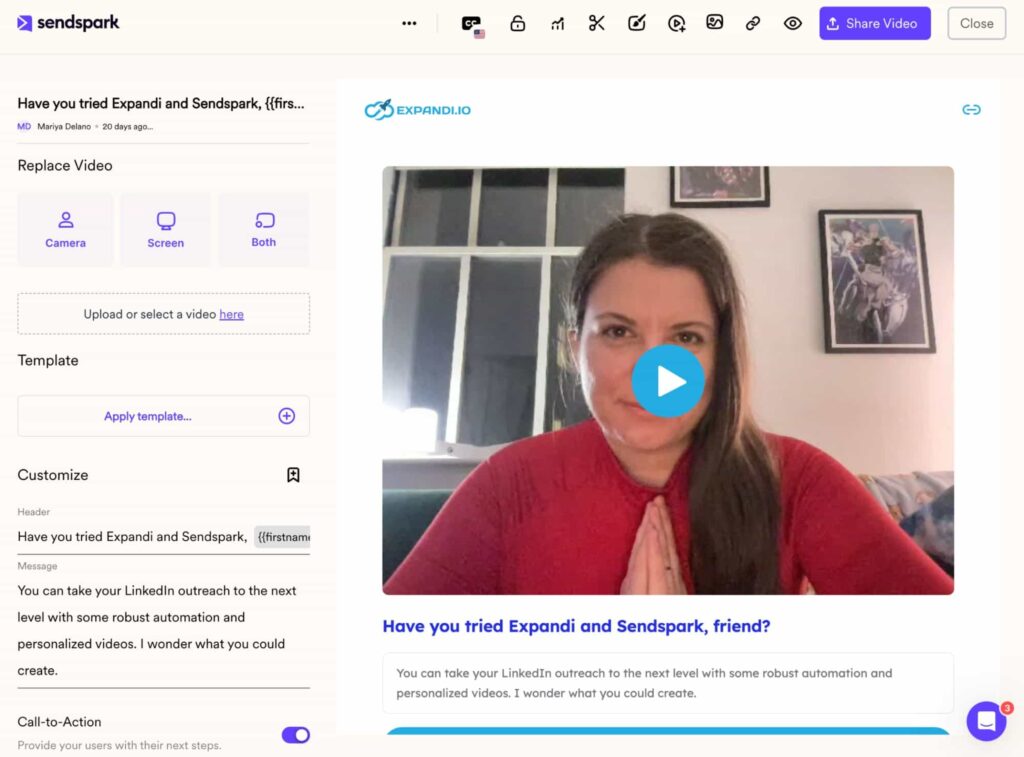
- DON'T send a generic video to multiple people. Tools like Loom and Sendspark make it easy to record and title a video specifically for each person.
Conclusion
You now have a complete playbook for creating video pitches that cut through the noise. While your competition sends generic text messages, you'll be building genuine human connection, showcasing your communication skills, and proving you're the right person to represent a coach's brand.
Key Takeaways:
- Video is Your Superpower: It allows you to compete on personality and effort, which is perfect for your background and goals.
- Structure is Key: Follow the 4-part script (Introduction, Context, Connection, CTA) to deliver a concise and powerful message in under 90 seconds.
- Connection Over Perfection: The most important part of your script is explaining why you connect with the coach's mission or audience.
- Presentation Matters: Good lighting, a clean background, and confident, energetic delivery are non-negotiable.
In our next lesson, we'll address a common challenge: what happens when a coach doesn't reply to your amazing first message? We'll design a professional, multi-touch follow-up sequence to re-engage unresponsive prospects without being pushy.