Introduction
Welcome to a new project! Having successfully completed the data cleaning project, you've mastered the skills needed to transform raw data into a valuable asset. Now, we'll shift our focus to a different, equally crucial freelance skill: market analysis. Instead of cleaning existing data, you'll be the one gathering it to answer a client's strategic questions.
This lesson kicks off our market analysis project by tackling the most important first step: planning. You will learn how to take a typical client request, deconstruct it to define clear research objectives, and identify the key competitors to investigate. A solid plan is the foundation of any successful research project; it ensures your work is focused, efficient, and directly answers the client's needs.
From Client Request to Actionable Plan
Imagine a client gives you a new project. Before you dive into Google searches or start building spreadsheets, you need a roadmap. In market research, this roadmap is often called a research brief or a project plan. Its purpose is to translate a client's broad request into a set of specific, answerable questions and a clear scope of work.
Why is this so important? A good plan helps you:
- Identify gaps in the market that your client can exploit.
- Understand what makes your client unique (their value proposition).
- Focus your research efforts so you don't waste time on irrelevant information.
Let's watch a short video that explains the value of conducting a competitor analysis.
7 Easy Steps on How to Perform a Competitor Analysis
This video, "7 Easy Steps on How to Perform a Competitor Analysis" by LYFE Marketing, gives a great overview of why this process is so valuable for any business.
Watch from the beginning to understand the core reasons for analyzing your competition. Pay attention to how it helps identify what competitors are doing right, what they're doing wrong, and where your client can fit in.
To make this practical, let's work with a sample client request for a fictional company.
Client: GreenLeaf Organics, a small e-commerce store selling organic skincare products.
Request: "We want to understand our competition better. We need a report on our top 3-4 competitors. We're thinking of launching a new vitamin C serum and want to see what others are doing in terms of product features, pricing, and how they market it on social media. We also want to know who their main customers seem to be."
Our task is to turn this request into a structured plan.
Step 1: Define Your Research Objectives
A client's request contains both a high-level goal and specific questions. Your first job is to separate these into Business Objectives (the "why") and Research Objectives (the "what").
The article "Market Research Brief" from Conjointly provides a clear framework for this.
Market Research Brief - Free Template + Examples
This resource explains the key components of a research brief. We'll focus on how it distinguishes between business goals and the specific research questions needed to achieve them.
First, read the section Business Objectives. Then, read the following section on Research Objectives. Notice how one flows from the other.
Applying this to our GreenLeaf Organics brief:
- Business Objective: To understand the competitive landscape to inform the launch strategy for a new vitamin C serum.
- Research Objectives:
- Identify the top 3-4 direct competitors for GreenLeaf Organics.
- Analyze their vitamin C serum offerings (e.g., key features, ingredients, size).
- Document their pricing for these serums.
- Assess their social media marketing strategy for this product category.
- Describe the apparent target audience for each competitor.
These objectives now form a clear checklist for the data you need to find.
Step 2: Identify Key Competitors
With clear objectives, you can now focus on finding the right competitors to analyze. The client asked for "top competitors," which usually means direct competitors: those who sell similar products to the same target market.

So, how do you find them? The best way is to think like a customer.
7 Easy Steps on How to Perform a Competitor Analysis
Let's return to the "7 Easy Steps" video to see how to start identifying competitors.
Watch the segment from step one, which demonstrates using simple online searches to find competitors in your area or digital space.
For GreenLeaf Organics, you could search on Google and Amazon for terms like:
- "organic vitamin C serum"
- "natural skincare online store"
- "clean beauty brands"
There are several free tools and techniques you can use to gather this intelligence. The following video provides excellent, practical examples.
How To Do Market Research (Market Research 101)
In his video "How To Do Market Research," Adam Erhart demonstrates several simple but powerful ways to find out what customers are looking for and which companies are meeting that demand.
Watch these three short clips to see a few methods in action: Google Search: From this point, see how Google's auto-suggestions can reveal what people are searching for related to a product. Amazon Research: From this segment, learn how to use Amazon to find popular products and mine reviews for insights. Ad Research: From this clip, discover how to use the Facebook Ad Library to see the actual ads your competitors are running. This is a great way to find active and serious players in a market.
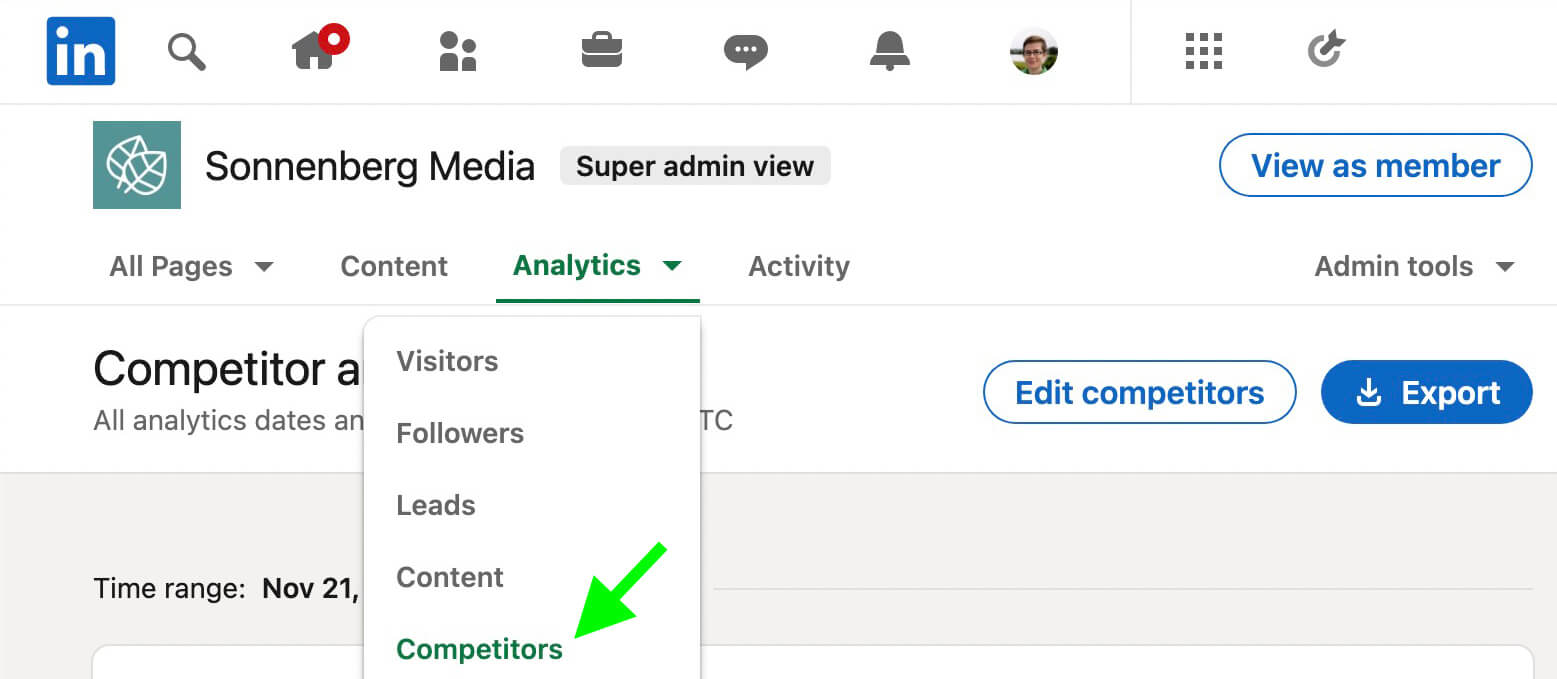
As you search, you'll start to see the same company names appearing. These are your likely competitors. For B2B research, LinkedIn is an invaluable tool. While less central for a B2C product like skincare, its analytics tools are powerful for tracking competitors once you've identified them.
Your Task: Create the Research Plan
Now it's time to put this all together. Your task is to create a simple research plan for the GreenLeaf Organics project. This document will be your guide for the rest of the project.
- Create a new Google Doc.
- Title it:
Market Research Plan: GreenLeaf Organics. - Copy and paste the template below into your document.
- Fill in the sections based on the work we've done in this lesson. For the "Key Competitors" section, use the search techniques described above to find 3 real companies you think would be direct competitors for GreenLeaf Organics.
Project Research Plan Template
1. Project Background
- Client: GreenLeaf Organics
- Business Objective: (Fill this in from our analysis above)
2. Research Objectives
(List the 5 research objectives we defined earlier)
- 1.
-
-
-
-
3. Key Competitors to Investigate
(Use Google and Amazon to find 3 real-world companies that sell organic/natural skincare online. List their names and website URLs.)
-
- Company Name:
- Website:
-
- Company Name:
- Website:
-
- Company Name:
- Website:
4. Data to Collect (for Each Competitor)
(This section is a preview for our next lesson. It lists the categories of information we will gather.)
- Vitamin C Serum Product Details (name, price, size, key ingredients)
- Value Proposition & Target Audience
- Social Media Presence (channels used, content focus)
- Customer Reviews (common praises and complaints)
Conclusion
In this lesson, you've taken the essential first step in any market analysis project. By translating a client's request into a structured plan, you've created a roadmap that will guide your research and ensure your final report is relevant and valuable.
Here are the key takeaways:
- Planning is paramount: Always start by creating a research brief or plan.
- Deconstruct the request: Separate the client's high-level Business Objective from the specific Research Objectives your work will address.
- Think like a customer: Use simple search techniques on platforms like Google and Amazon to identify direct competitors.
- Your plan is your roadmap: This document will keep your research focused and on track.
In our next lesson, we will begin executing this plan. You'll take the competitors you've identified and start gathering the specific data points outlined in your research plan, starting with their websites and product offerings.