Introduction
In our last session, we explored how to become a proficient data finder, using tools like Google, Google Trends, and LinkedIn to identify credible online sources for any industry. You learned how to distinguish high-quality information and locate key players, including competitors. Now, we'll take the next logical step: moving from finding a competitor to deeply analyzing their most important public asset—their website.
This lesson focuses on a cornerstone of market research: deconstructing a competitor's website to pinpoint its value proposition and target audience. Mastering this skill will enable you to provide clients with crucial insights into their market landscape, revealing how their rivals position themselves and who they are trying to attract. This analysis forms the bedrock for identifying market gaps and strategic opportunities.
What Are We Looking For?
Before diving into a website, it's essential to know what we're trying to find. We are on a mission to answer two fundamental questions:
- What is their value proposition? In simple terms, this is the unique promise of value a company makes to its customers. It answers the question, "Why should I buy from you and not your competitor?" It's the combination of product, price, and service that makes a company stand out.
- Who is their target audience? This is the specific group of people the company aims to reach and serve. A well-defined audience isn't "everyone"; it's a group with shared characteristics, such as demographics (age, location), industry (e.g., e-commerce, healthcare), or needs (e.g., budget-conscious beginners, large enterprise teams).
A competitor analysis is about systematically gathering clues to answer these questions, allowing you to understand your client's position in the market.
7 Easy Steps on How to Perform a Competitor Analysis
To begin, let's watch a short segment from the video "7 Easy Steps on How to Perform a Competitor Analysis" by LYFE Marketing. This will help frame the purpose of our investigation.
Watch from 00:54 to 01:43. Pay attention to the three key reasons for performing an analysis: identifying what competitors do correctly, what they do wrong (finding gaps), and how your company is different (defining your value proposition).
A Framework for Website Deconstruction
A well-designed website is a carefully crafted narrative. Every element—from the main headline to the font choice—is a clue about the company's strategy. To analyze it effectively, we need a systematic approach rather than random browsing.
Think of a homepage as having a logical structure, designed to guide a visitor from interest to action.
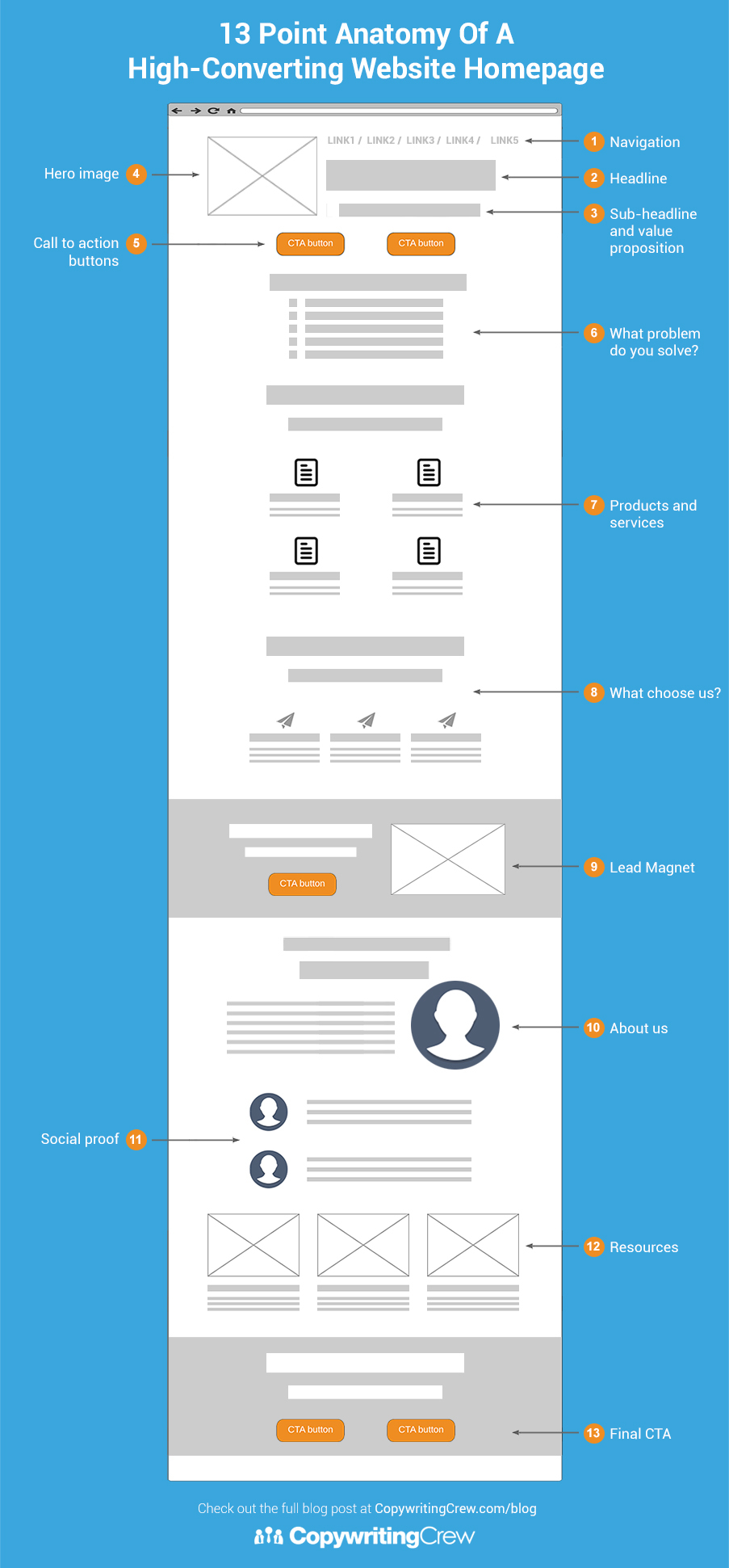
We will use a step-by-step process to decode this message, focusing on the most revealing elements.
Step 1: Analyze Copy, Messaging, and Positioning
The words a company chooses are the most direct signal of its intentions. This is where you'll find the most explicit clues.
How to Find Out Competitors Website Target Audience: Complete ...
This guide from Outspy.ai provides an excellent, detailed framework for analyzing a website. We will use it as our primary reference.
First, read the section on analyzing copy and messaging. Start with Step 1, which shows how headlines immediately signal the target audience. Next, jump to Step 4 on product positioning. Read the parts about Pricing Page Analysis, Feature Emphasis, and Use Case Examples. These sections explain how the structure of their offerings reveals who they are for.
As you read, consider these key areas:
- Headline and Sub-headline: This is the prime real estate of a website. Is the language technical or simple? Does it promise to save money, increase power, or simplify a process? The examples in the article for "Enterprise-Grade Security" vs. "Simple Project Management" are perfect illustrations of this.
- Feature Emphasis: A company can't highlight everything. The features they choose to display prominently on their homepage are the ones they believe are most important to their target audience.
- Pricing Structure: Is there a free plan to attract beginners? Are prices listed per user, suggesting a focus on teams? Is there a "Contact Us" for an enterprise plan, indicating a focus on large, high-value clients?
Step 2: Decode Design and Visuals
Beyond the text, a website's look and feel communicates volumes about its brand and intended audience.
How to Find Out Competitors Website Target Audience: Complete ...
Now, let's return to the same guide to understand the non-verbal clues.
Read Step 2 in its entirety. This section covers typography, photography style, mobile-friendliness, and overall complexity.
Pay attention to:
- Photography: Are they using polished, professional photos of office workers (B2B focus) or candid, lifestyle shots of people using the product in everyday life (B2C focus)?
- Typography: As the article notes, traditional fonts can suggest an established, conservative brand, while modern, clean fonts often target a younger or more tech-savvy audience.
- Complexity: A minimalist site with lots of white space might target premium, design-conscious buyers. A site dense with technical information and comparison charts is likely aimed at analytical researchers who need to justify a purchase.
Step 3: Examine Content and Social Proof
The content a company creates and the endorsements it displays are powerful indicators of its target audience's interests, expertise, and priorities.
How to Find Out Competitors Website Target Audience: Complete ...
Let's look at the final pieces of the puzzle from the Outspy.ai guide.
Read Step 3 and Step 5. These sections cover blogs, case studies, testimonials, and partnership logos.
Here's what to look for:
- Blog Topics: Are the article titles basic ("What is SEO?") or advanced ("Advanced Multivariate Testing Strategies")? This tells you the expertise level of the audience they are trying to attract.
- Case Studies & Testimonials: These are a goldmine. They literally show you who the company's ideal customers are. Note the industries, company sizes, and job titles of the people featured.
- Partnership Logos & Certifications: Logos of companies like Salesforce or Microsoft signal a focus on enterprise clients. Integrations with Shopify suggest an e-commerce focus. Certifications like HIPAA compliance are a clear indicator of targeting the healthcare industry.
Synthesizing the Value Proposition
After gathering these clues, you need to synthesize them into a clear statement. A simple but effective method is to fill in the blanks of a Mad Libs-style formula.
My step-by-step guide for a competitor analysis : r/marketing - Reddit
This Reddit post offers a wonderfully practical formula for defining a competitor's Unique Selling Proposition (USP), which is the core of their value proposition.
Read the short section titled "Determine their main differentiator" and focus on the formula provided.
The formula is:
[Competitor] helps [Target Audience] solve [Problem] by providing [Unique Feature/Benefit].
For example, based on website analysis, you might conclude:
- "Mailchimp helps small businesses and beginner marketers solve the problem of complex marketing by providing an easy-to-use, all-in-one platform for email and automation."
This single sentence, backed by the evidence you've collected, is an incredibly valuable insight for any client.
Conclusion
You now have a powerful, systematic framework for analyzing a competitor's website. By looking beyond the surface and treating every headline, image, and price point as a clue, you can effectively reverse-engineer their strategy. This transforms a simple browsing exercise into a professional intelligence-gathering operation.
Here are your key takeaways:
- Start with a Goal: Your analysis should aim to define the competitor's value proposition and target audience.
- Analyze the Copy: Headlines, feature descriptions, and use cases are the most direct clues to a company's positioning.
- Decode the Design: Visual choices like color, fonts, and photography reveal the brand's personality and who it's trying to appeal to.
- Investigate Content and Social Proof: Blog topics, case studies, and partner logos provide concrete evidence of the target audience's industry and expertise.
- Synthesize Your Findings: Use a simple formula to distill your research into a concise and powerful value proposition statement.
In the next lesson, we will move from the formal presentation of the website to the more dynamic and conversational world of social media. You will learn how to analyze a competitor's social media presence to understand their content strategy and how they engage directly with their audience.