Introduction
You have successfully engineered a complete, resilient Client Onboarding Automation System. This marks the completion of your final portfolio project and the pivot from pure technical implementation to business execution. The systems you've built are valuable, but their value is only realized when a client pays for the outcome they deliver.
This lesson begins Module 8: Freelance Business Strategy. Your objective is to craft a specialist positioning statement for your Mostaql profile that targets specific client pain points.
This is not a marketing exercise; it's a strategic engineering decision. Your positioning statement acts as a filter and a magnet. It repels low-value, misaligned clients and attracts high-value clients who have the exact problems you are equipped to solve. Moving from a generalist "n8n developer" to a specialist "automation architect for [X]" is the single most important step in commanding premium rates and winning your first client.
1. The Strategic Imperative: Specialist over Generalist
In the freelance market, generalists who can "do anything" are interchangeable commodities who compete on price. Specialists, who solve a specific, high-value problem, are perceived as experts and compete on value. Your engineering background gives you a foundation for broad capabilities, but your freelance success depends on a narrow focus.
From Generalist to Specialist: The 2026 Freelance Pivot
To understand the market dynamics that make specialization a necessity, start with the article 'From Generalist to Specialist: The 2026 Freelance Pivot' by Asrify.
Read the introduction and the sections 'Why the 2026 Freelance Market Rewards Specialists', 'Why Specialists Command 40%+ Higher Rates', and the 'Generalist vs Specialist: A Quick Comparison' table. Focus on the core argument: clients pay premiums for specific problem-solvers, not general-purpose tool operators.
The key takeaway is that clients are not buying your time or your knowledge of n8n. They are buying a solution to a painful business problem. Your first task is to stop selling the vehicle (automation) and start selling the destination (the outcome).
The TRUTH About Selling AI Automations to Businesses
This video, 'The TRUTH About Selling AI Automations to Businesses', reinforces this critical mindset shift. It breaks down what business owners actually care about.
Watch from the beginning to 02:35. Pay close attention to the three core drivers mentioned: time, money, and focus. Every successful positioning statement must connect your service directly to one or more of these drivers.
2. The Discovery Process: Identifying Your Niche
To position yourself as a specialist, you must first define your specialty. This requires a systematic analysis of your skills, market demand, and client pain points.
Step 1: Inventory Your Strengths
Your experience spans embedded systems, full-stack development, and now, advanced n8n automation. This unique combination gives you several potential specialization paths. The goal is not to find a perfect, permanent niche, but to select a strong initial hypothesis to test in the market.
From Generalist to Specialist: The 2026 Freelance Pivot
The Asrify article provides a structured framework for this process. It will guide you from a broad inventory to a focused, validated niche.
Read the section 'Framework: How to Choose a Freelance Specialization'. You will use the 'Passion–Profit Matrix' in the practical task, so familiarize yourself with the three steps: Inventory, Validate, and Matrix.
Step 2: Specialize in Problems, Not Platforms
A common failure point is to specialize in a tool (e.g., "n8n Expert"). This is fragile. A superior strategy is to specialize in a business problem that you solve using your toolset.
- Bad: "n8n Developer"
- Good: "E-commerce post-purchase automation specialist."
- Bad: "Notion Consultant"
- Good: "Operations systems architect for digital agencies."
This approach anchors your value to a timeless business need, making you resilient to changes in technology.
From Generalist to Specialist: The 2026 Freelance Pivot
The article you've been reading concludes with this exact point. It's a crucial distinction for long-term success.
Read the subsection titled 'Specialize in Problems, Not Platforms'. Internalize the examples given.
Step 3: Identify High-Value Pain Points
Your chosen niche must address a tangible pain point. Businesses invest in fixing problems related to finances, productivity, internal processes, or customer support.

3. The Execution: Crafting Your Positioning Statement
Once you have a niche hypothesis, you can distill it into a concise, powerful positioning statement. This statement will become the headline of your Mostaql profile and the foundation of your entire freelance brand.
A proven formula is:
I help [Specific Audience] achieve [Specific Outcome] by [My Specialized Method].
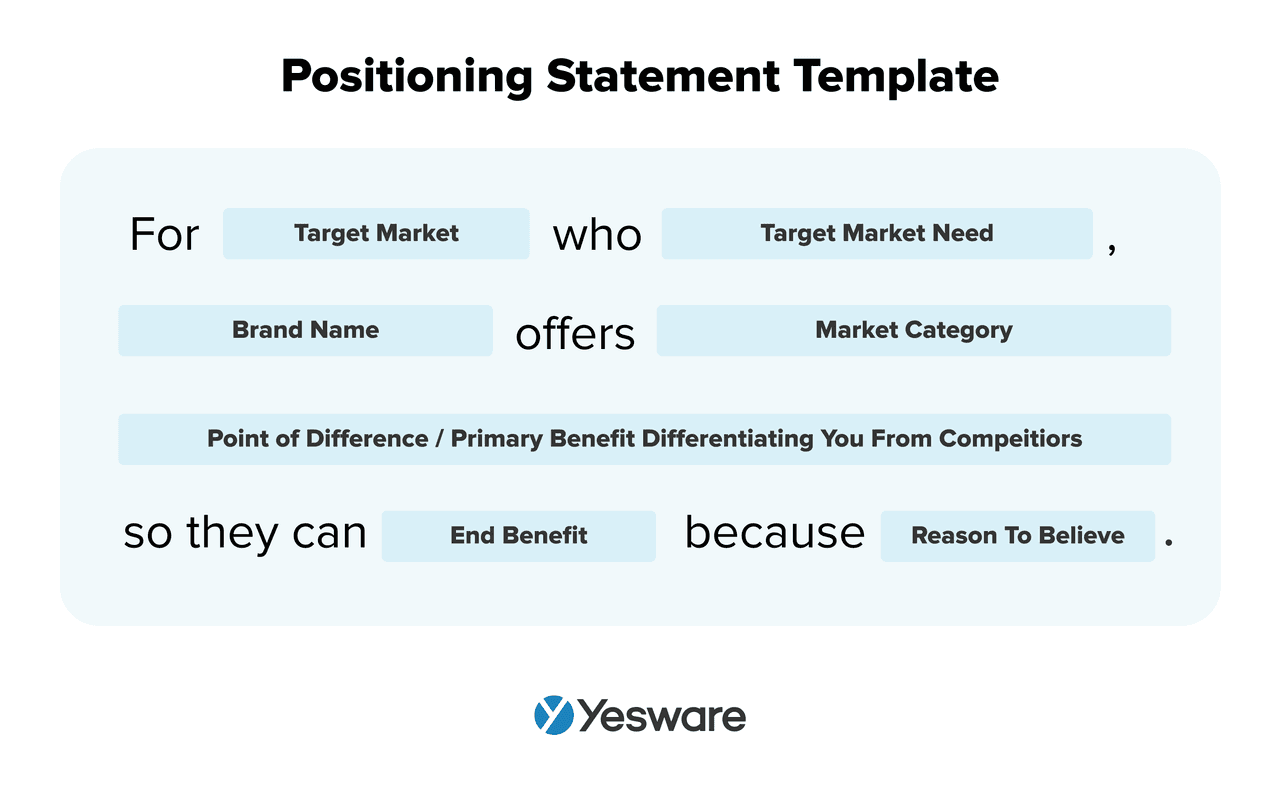
The goal is to be so specific that your ideal client reads it and thinks, "That's exactly what I need."
Emmanuel Odutola's Post - LinkedIn
This LinkedIn post by a top-rated n8n freelancer, Emmanuel Odutola, shows how this theory translates into practice on a real profile. The advice is direct and actionable.
Read the post, focusing on tips #1, #2, and #5. Notice how he translates his service into client-centric outcomes (e.g., 'run your store on autopilot') and uses specific keywords in his title.
Practical Task: Draft Your Specialist Positioning Statements
Your task is to move from theory to execution. You will generate three distinct positioning statements, each targeting a different potential niche.
Phase 1: Niche Selection (15 minutes)
- Open a document or a sheet.
- Based on the "Inventory" step from the Asrify article, list 5-10 potential specializations. Consider your experience with:
- The portfolio projects you just built (lead intelligence, CRM automation, client onboarding).
- Your background in embedded systems (e.g., IoT data workflows, hardware testing automation).
- Your full-stack experience (e.g., automating developer operations, integrating complex APIs for web apps).
- Use the Passion-Profit Matrix:
- Score each niche from 1-5 on Passion (your interest in the work).
- Score each from 1-5 on Profit (your assessment of market demand and value).
- Select your top 3 niches—those with the highest combined scores.
Phase 2: Statement Drafting (25 minutes)
For each of your top 3 niches, craft a positioning statement using the formula: I help [Audience] achieve [Outcome] by [Method].
- Audience: Be specific. Not "businesses," but "online coaches," "SaaS startups," or "small e-commerce brands."
- Outcome: Be tangible. Connect it to Time, Money, or Focus. "Regain 10 hours per week," "increase lead conversion by 15%," "eliminate manual data entry."
- Method: Describe your specialized approach. "building resilient n8n workflows," "integrating CRM and marketing platforms," "designing automated client onboarding systems."
Example Draft:
- Niche: Automation for Digital Agencies
- Statement: "I help digital agency owners eliminate administrative chaos and reclaim 10+ hours per week by designing automated client onboarding and project management systems in n8n."
Deliverable
- A document containing your top 3 drafted specialist positioning statements.
Evaluation Criteria
- Specificity: Each statement must target a clearly defined audience and problem.
- Outcome-Oriented: The primary focus is on a measurable, desirable business result.
- Clarity & Brevity: The statement is free of technical jargon and immediately understandable by a non-technical client.
- Authenticity: The statement reflects a credible specialization given your skills and portfolio.
Conclusion
You have now completed the strategic foundation for your freelance business. By moving from a generalist to a specialist mindset and articulating your value in a clear, outcome-focused statement, you have fundamentally changed how potential clients will perceive you.
Key Takeaways:
- Specialize in Problems, Not Tools: Anchor your value in solving durable business challenges.
- Sell the Destination, Not the Vehicle: Clients buy outcomes (time, money, focus), not automation for its own sake.
- Your Positioning is a Filter: A strong statement attracts the right clients and gives you the confidence to charge based on value, not hours.
Preview of the Next Lesson:
Your positioning statement gets a client's attention. Your proposal closes the deal. In the next lesson, you will learn how to structure compelling proposals using outcome-focused language rather than technical feature lists, turning initial interest into a signed contract.