Recommended resources
The freely available resources this lesson will direct you to.
- What is Juxtaposition in Film — How to Take Visual Storytelling to the Next Levelwww.youtube.com
- Eisenstein's Methods of Montage Explained | Russian Soviet Montage Theory | VIDEO ESSAYwww.youtube.com
- Experimental Film – Associational Form | Screen Project @ York Uscreenproject1400.wordpress.com
- 15 Brilliant Montage Examples for Screenwriters and ...industrialscripts.com

Hello! Welcome back to our module, "The Art of the Edit."
In our last lesson, we focused on rhythmic editing—the when of cutting. You learned how controlling the duration of shots shapes the emotional pace of a scene, creating anything from frantic tension to quiet contemplation.
Today, we shift our focus from the timing of the cut to the content of the cut. We will explore how to use juxtaposition and montage to create meaning through visual association. This is the art of placing two or more shots together to generate a "third meaning"—an idea or feeling that exists not in the individual images, but in the space between them. For an artist like yourself, interested in metaphor, surrealism, and telling stories through abstract connections, this is one of the most powerful tools in the cinematic language.
1. The Power of Juxtaposition: The Kuleshov Effect
The foundational principle of associative editing is juxtaposition: the act of placing two things side-by-side to invite comparison or contrast. In filmmaking, this simple act is what allows you to guide the audience's thoughts and emotions without spelling anything out.
The earliest and most famous demonstration of this is the Kuleshov Effect, pioneered by Soviet filmmaker Lev Kuleshov in the 1910s. He demonstrated that by cutting from an actor's neutral expression to different images, the audience would "project" an emotion onto the actor's face.

This proves a fundamental truth of cinema: meaning is not just in the shot; it is created between the shots. To explore this concept more broadly, let's watch a video that breaks down the various ways filmmakers use juxtaposition.
What is Juxtaposition in Film — How to Take Visual Storytelling to the Next Level
This video from StudioBinder, 'What is Juxtaposition in Film', provides a fantastic overview of how this technique is used not just in editing, but also in mise-en-scène and sound design.
First, watch from the beginning to 03:09 to get a solid definition of juxtaposition. Then, skip ahead and watch the section on editing from 12:52 to 17:23. Pay close attention to the different editing techniques discussed, such as cross-cutting and intellectual montage.
As you can see, juxtaposition is the engine of visual storytelling. Now, let's explore the more systematic theory of how to harness it, known as montage.
2. The Language of Montage: Eisenstein's Methods
While Kuleshov demonstrated the effect, it was his contemporary, Sergei Eisenstein, who developed a comprehensive theory of montage. For Eisenstein, montage wasn't just about linking shots; it was about creating a collision between them to spark a new idea in the mind of the viewer. He saw it as a tool for intellectual and emotional persuasion.
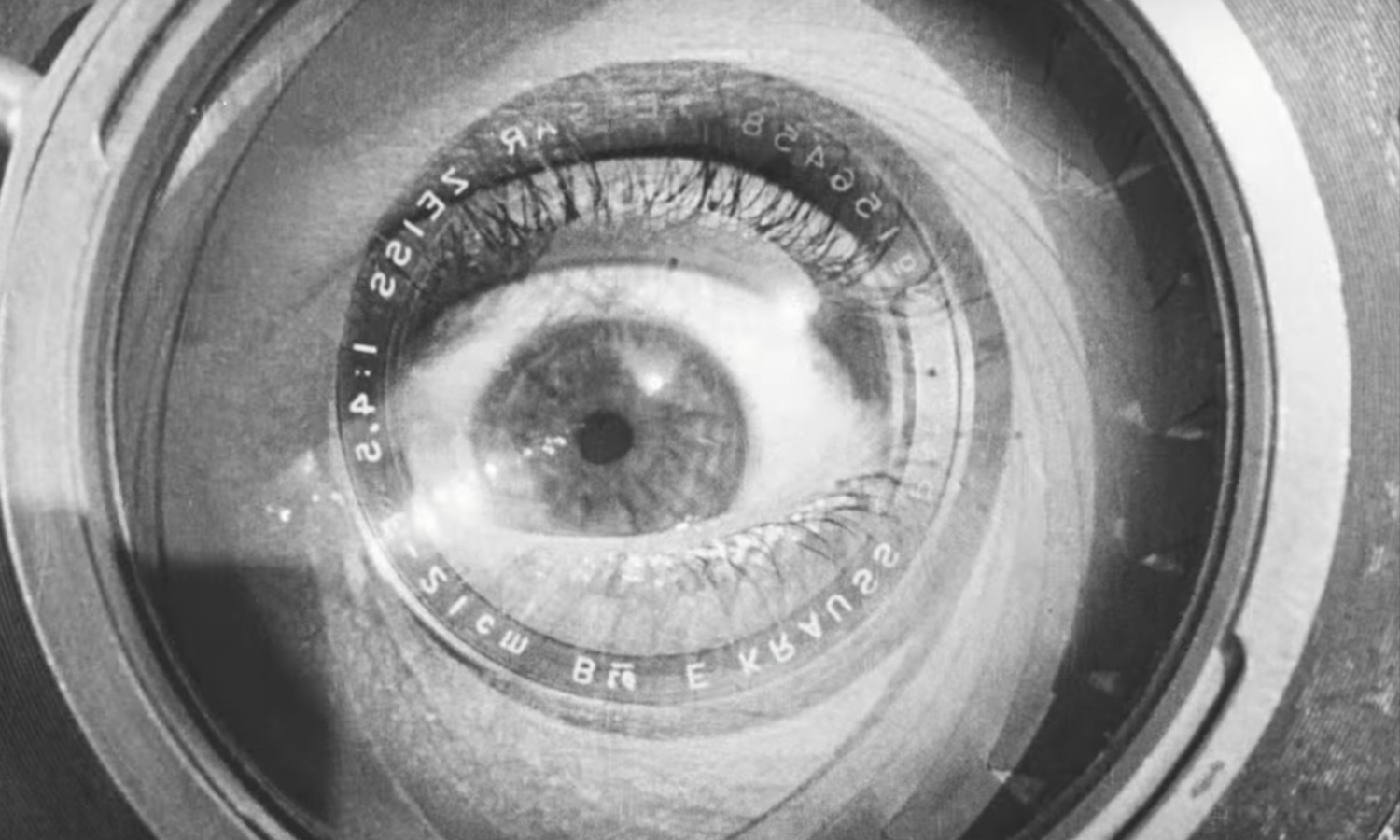
Eisenstein categorized montage into five distinct methods. Understanding them will give you a vocabulary for constructing meaning with precision.
Eisenstein's Methods of Montage Explained | Russian Soviet Montage Theory | VIDEO ESSAY
The video 'Eisenstein's Methods of Montage Explained' by Nitty Gritty Studios offers a clear, concise breakdown of these five methods with excellent examples.
Watch the entire video (it's just under 6 minutes). As you watch, make a note of each of the five types and the key idea behind it: Metric: Cutting based on shot length (time). Rhythmic: Cutting based on content/action within the frame. Tonal: Cutting based on shared emotional tone or visual quality (e.g., light, fog). Overtonal: The interplay of the above methods to create a more complex impression. Intellectual: Juxtaposing shots to create an abstract or intellectual concept.
The last two—Overtonal and Intellectual montage—are particularly relevant to your artistic goals.
- Overtonal montage is what directors like Terrence Malick use to create a poetic, mood-driven experience where logic takes a backseat to feeling.
- Intellectual montage is how a director like Werner Herzog might juxtapose the serene, indifferent face of nature with the futile struggles of humanity to make a grander statement about existence. The infamous baptism scene in The Godfather, mentioned in both videos, is a perfect example of intellectual montage, linking the sacred rite of baptism with the profane violence of murder to define Michael's character.
3. Associational Form: The Structure of Experimental Film
In conventional films, montage is often a specific sequence within a larger narrative structure. But in the experimental and poetic cinema you're drawn to, montage can become the organizing principle for the entire film. This is known as associational form.
An associational film builds its structure by juxtaposing images that are not necessarily linked by logic or narrative, but by shared concepts, emotions, or aesthetic qualities. It invites the viewer to actively participate in creating meaning, much like one would interpret a poem.
To understand this better, let's look at a short text that defines this approach.
Experimental Film – Associational Form
This text from 'Screen Project @ York U' clearly defines associational form and explains its role in experimental cinema.
Please read the first two main sections: starting from the heading 'Associational Form:' down to the mention of 'Koyannisqatsi'. Focus on how this form prompts the audience to look for connections and invites interpretation.
This idea of creating patterns through repeated motifs and inviting interpretation is central to the work of artists like Rebecca Horn. Her films often build meaning by associating the movements of her body sculptures with elements of nature or architecture, creating a poetic dialogue between the human, the mechanical, and the organic. You aren't told what to feel; you are presented with associations and encouraged to make the connection yourself.
Practical Application: Designing a Montage
Now it's your turn to think like an editor using intellectual montage and associational form.
Imagine you are creating a short, silent film sequence inspired by the work of Rebecca Horn. Your theme is "The Body as Both a Cage and a Tool for Liberation."
You have the following shot categories available:
- Shots of a Mechanical Object: A ticking clock's gears, a rusty hinge, a piston moving back and forth.
- Shots of the Human Body: An eye blinking in extreme close-up, a hand clenching and unclenching, a back arching.
- Shots of Nature: A bird breaking out of an egg, a tree branch trapped under a fallen rock, water flowing freely in a river.
- Shots of Architecture: A narrow hallway, a barred window, an open doorway leading outside.
Your Task:
In your notes, design a short montage (around 6-8 shots).
- List your sequence of shots in the order you would present them.
- For each cut, briefly explain the association you are trying to create. What "third meaning" do you want the audience to derive from the juxtaposition?
- Describe the overall intellectual or emotional concept you hope the complete sequence will convey to the viewer.
For example, you could start with a shot of a hand clenching, then cut to the ticking clock's gears, suggesting a feeling of being trapped by time or a mechanical, involuntary anxiety. What would you cut to next to develop this idea? Or to contrast it?
Conclusion
Today, we've moved from the rhythm of editing to its intellectual and poetic core. You've seen how the simple act of placing one shot next to another can generate complex ideas and profound emotions.
Key Takeaways:
- The Kuleshov Effect: The context provided by surrounding shots fundamentally changes our interpretation of an image. Meaning is relational.
- Eisenstein's Montage: Montage is the "collision" of images to create a new idea. The five methods provide a framework for doing this with purpose, from metric (pacing) to intellectual (ideas).
- Visual Association Creates Meaning: By juxtaposing images, you can create metaphors, contrasts, and comparisons, allowing you to "show, don't tell" on a conceptual level.
- Associational Form: In experimental film, this principle can be expanded to structure an entire work, creating a poetic, non-narrative experience that invites active interpretation from the audience.
What's Next?
We've discussed when to cut (rhythm) and the conceptual power of what you cut to (juxtaposition). In our next lesson, we will look more closely at the transition itself. We will explore how to apply match cuts and poetic visual transitions to connect images thematically, creating fluid, elegant, and meaningful links that guide the viewer's eye and mind.