Recommended resources
The freely available resources this lesson will direct you to.
Hello! Welcome to our second lesson in this final module on bringing your film to the world.
In our last session, you did the foundational work of crafting a compelling director's statement and synopsis. You learned how to distill your artistic vision and the essence of your film into powerful written documents, adapting narrative-focused formats to suit your experimental and metaphorical style.
Today, we'll build directly on that foundation. Our learning outcome is to assemble a standard submission package, including an Electronic Press Kit (EPK). We will gather the written materials you've just drafted and combine them with visual and technical information to create a single, professional package that represents your film to festival programmers, curators, and the press.
1. The Electronic Press Kit (EPK): Your Film's Professional Portfolio
An EPK is the digital equivalent of a business card, resume, and portfolio for your film, all rolled into one. It’s a comprehensive collection of materials designed to give anyone who's interested everything they need to understand, promote, and screen your work.
Let's start with a video that gives a clear, practical overview of what an EPK is and what it contains.
Creating a Press Kit for your Short Film
The video 'Creating a Press Kit for your Short Film' from Bloop Animation provides a concise walkthrough of the essential and optional elements of an EPK.
Please watch from the beginning until 04:21. As you watch, notice the core components the creator identifies as 'must-haves' and how they are structured in a logical flow, from the cover to the production stills.
As the video demonstrates, while there's no single rigid format, a strong EPK always includes a core set of elements. A well-designed kit shows professionalism and makes it easy for busy programmers and journalists to find what they need.
To solidify this, let's look at a detailed checklist.
Make a Film Press Kit that Stands Out (Guide + Examples) - Storydoc
The article 'Make a Film Press Kit that Stands Out' from Storydoc offers an excellent, detailed breakdown of what to include. We'll use it as our primary checklist.
First, review the numbered list at the very top under the heading 'What to include in a film media kit?'. This is your core checklist. Then, read the section 'How to create a film press kit that attracts media attention', which elaborates on each of these points. Pay special attention to the advice on high-quality visuals and the director's statement, as these are particularly vital for your style of filmmaking.
Here is a summary of the essential items for your submission package, drawing from these resources:
- Logline & Synopsis: Both a short (under 50 words) and long (100-150 words) version.
- Director's Statement: Your personal vision for the film.
- Director's Bio & Headshot: A concise biography (around 100-150 words) focused on your artistic practice, and a professional photo.
- High-Resolution Stills: 3-5 carefully chosen images that capture the film's aesthetic.
- Poster / Key Art: A visually compelling image that represents the film.
- Trailer: A short, engaging preview.
- Technical Specifications: A list including runtime, aspect ratio, shooting format, sound format, completion date, etc.
- Contact Information: Your email, website, and relevant social media links.
- Credits: A list of key cast and crew.

2. The Festival's Perspective: How Your Materials Are Used
Creating the EPK is half the battle. The other half is understanding how it's viewed and used by the people you're sending it to. Most film festivals use submission platforms like FilmFreeway, which have specific fields for all the information we just listed. What you prepare directly populates your film's profile on these platforms.
Let's take a look behind the curtain.
What Film Festivals See on FilmFreeway
This unique video, 'What Film Festivals See on FilmFreeway' from The Film Festival Guide, shows you the programmer's view of a film submission. This is invaluable for understanding which parts of your package have the most impact.
Watch the video, focusing on these key segments: Personal Information and Specs (01:23 - 03:32): Notice the emphasis on providing accurate and complete information, especially the runtime. Overview and Credits (04:55 - 06:18): Pay attention to the comments on the poster (key art) and the importance of having both short and long synopses. Screenings, Awards, and Cover Letter (06:18 - 06:59): This highlights the critical need to keep your festival history updated. Trailer, Photos, and Bio (06:59 - 08:13): Note the advice on providing marketing-ready photos (not just behind-the-scenes shots) and keeping the director's bio concise.
The key takeaway here is that every detail matters. A professional, complete, and accurate submission signals to programmers that you are a serious filmmaker. Your background in design gives you a distinct advantage in creating visually polished and compelling materials, from the poster to the stills.
3. Tailoring the EPK for Experimental and Artistic Film
The resources we've reviewed provide a general framework, which we must now adapt to serve your specific artistic goals. For an experimental filmmaker interested in distribution through galleries as well as festivals, your EPK must bridge the worlds of cinema and visual art.
- Stills: For your work, stills are not just promotional images; they are artworks in themselves. Select compositions that emphasize texture, form, and the dialogue between the sculpted costume and the natural environment. They should be able to stand alone in a gallery catalog.
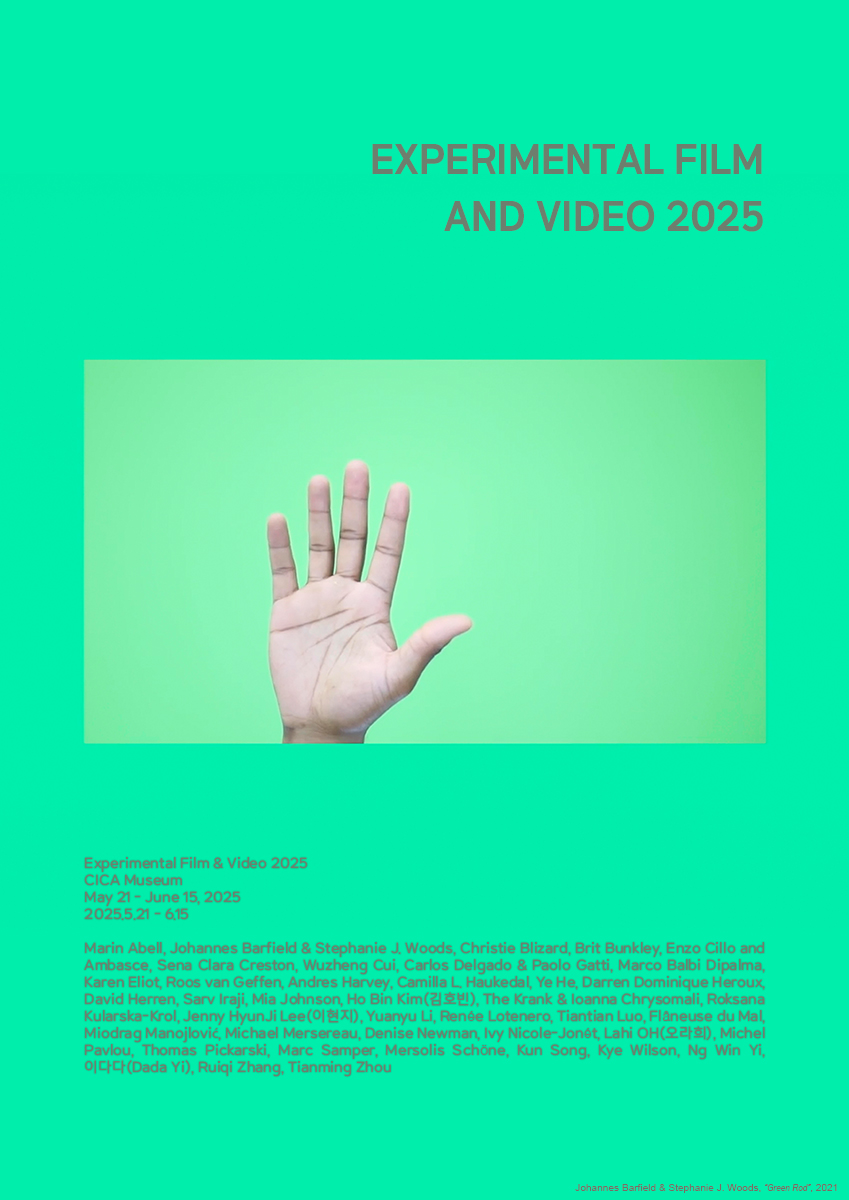
- Poster/Key Art: You can move beyond conventional poster design. Your key art can be more abstract, textural, or conceptual, reflecting the non-narrative quality of your film. It should set a tone and spark curiosity.
- Director's Bio: Frame your identity as an interdisciplinary artist. Mention your background in design and your interest in sculpture and performance as integral to your filmmaking practice. This provides crucial context for curators and programmers who specialize in hybrid works.
4. Practical Exercise: Plan Your Submission Package
Let's return to the film concept from our last lesson to make this tangible.
Scenario: A silent, 60-second film where a performance artist, wearing your sculptural costume, moves through a desolate, beautiful landscape (e.g., a black sand beach). The film explores the tension between the artificial human form and elemental nature.
Your Task: Create a detailed checklist for the complete submission package for this film. For each item on the list below, write 1-2 sentences describing the specific content you would create, keeping your unique artistic style in mind.
- Director's Bio (100 words):
- How would you describe yourself as an artist, connecting your design background to this film project?
- High-Resolution Stills (3 images):
- Describe three specific shots you would select. Think about wide shots, medium shots, and close-ups. What would each image communicate?
- Poster / Key Art:
- Describe your design concept. What image would you use? What would the typography and color palette be like?
- Trailer (30 seconds):
- Briefly describe the sequence of shots. How would you create a mood and sense of mystery without a narrative?
- Technical Specifications:
- List the key specs. For example: Runtime: 00:01:00, Aspect Ratio: 16:9, Sound: Silent, etc.
This exercise will help you translate the theoretical components of an EPK into concrete, creative decisions tailored to your project.
Conclusion
You now have a comprehensive understanding of how to assemble a professional submission package. You know what an EPK is, what it must contain, how it will be viewed by festivals, and how to adapt it for your artistic vision.
Key Takeaways:
- An Electronic Press Kit (EPK) is a professional, centralized collection of all your film's promotional and technical materials.
- Completeness and Accuracy are paramount when submitting to platforms like FilmFreeway, as they reflect your professionalism.
- For experimental film, the visual components of your EPK (stills, poster) must be exceptionally strong and act as artistic statements in their own right.
- Your Director's Bio should position you as an interdisciplinary artist, providing context for your unique approach to filmmaking.
What's Next?
You've created your film, written the core statements, and now assembled the package. The final step is to send it out into the world. In our next lesson, we will focus on the final learning outcome of this course: "Develop a distribution strategy identifying suitable festivals, galleries, and online platforms for experimental work." We will explore how to research and target the right venues that will appreciate and champion your unique cinematic voice.