Welcome to our third lesson. In our previous session, we deconstructed the anatomy of a compelling high-ticket offer, focusing on its price point, value proposition, and target audience. You now have the tools to distinguish a premium, transformation-focused offer from a less valuable one.
However, a great offer is only half the equation. The person or company behind that offer is equally, if not more, important. Partnering with a coach who is unprofessional, illegitimate, or simply ineffective can lead to wasted time, frustration, and damage to your own reputation.
Today, we will build on your ability to evaluate offers by learning how to vet the prospects themselves. Our goal is to develop a practical checklist you can use to systematically verify a prospect's legitimacy and credibility. We will achieve this by investigating their social proof and overall online footprint, ensuring you only invest your valuable time and skills in partners who are authentic and set up for success.
1. The Power of Social Proof
Before we dive into the "how," let's clarify "what" we're looking for. A cornerstone of a credible online presence is social proof. This is the evidence that other people have chosen, and benefited from, the coach's services. It’s a psychological principle: we trust things that others already trust. For you as a setter, strong social proof is a powerful asset. It pre-warms leads and builds a foundation of trust before you even send the first message.
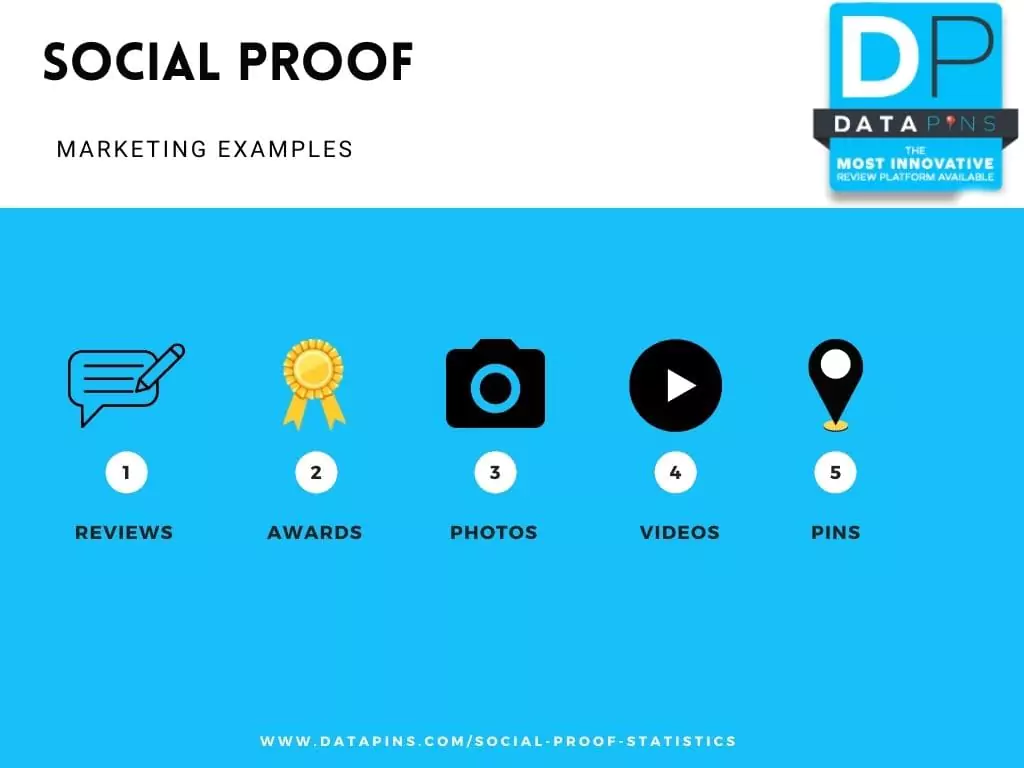
When a prospect has abundant, high-quality social proof, your job becomes less about convincing and more about guiding. You're connecting an interested person to a solution that is already validated by a community. Your primary task is to become an expert at spotting this validation.
2. Investigating the "Brand Ecosystem"
A credible coach doesn't just have a single social media profile; they have a cohesive brand ecosystem. This is the sum of their entire online presence—their website, social media accounts, email newsletter, and any other content they produce. A strong ecosystem projects professionalism and consistency, telling a unified story about who they are and what they do.
The following article offers a fantastic framework for analyzing this ecosystem. While its main topic is selling without discovery calls, its core principles are directly applicable to our task of verifying a prospect's credibility.
This article by Lindsay Maloney explains how a strong "brand ecosystem" does the work of building trust automatically. We will use her checklist to structure our own investigation.
Please read the section titled The Cohesive Brand Checklist. This provides an excellent rundown of what to look for on a prospect's website and social media. Also, pay close attention to the list of what kills credibility. Finally, read the section under "Objection 3", which explains how potential clients research a coach. This gives you a clear idea of the digital trail you should be following.
As the article highlights, potential clients are already acting as detectives. Your job is to adopt the same mindset. A strong prospect makes this easy by providing a consistent and transparent online presence.
This process doesn't have to be time-consuming. With practice, you can perform a rapid "credibility check" in minutes. The next video demonstrates exactly how to do this by quickly analyzing Instagram profiles for signs of a legitimate high-ticket business.
How to Get $100,000+ High-Ticket Sales Jobs (with no experience)
In "How to Get $100,000+ High-Ticket Sales Jobs," Caden Jara shows you how to quickly identify a coach with a sellable offer.
Watch the section from where he gives a quick example of vetting profiles on Instagram. Notice how he looks at the bio, highlights (for "client wins"), and the link in bio for an application or program link. This is a perfect real-world application of investigating a brand's social proof and ecosystem.
3. Spotting Red Flags and Performing Due Diligence
A polished online presence is a good sign, but it's not foolproof. It's crucial to also actively look for red flags and conduct a deeper level of due diligence. Given your analytical background, this is where you can move beyond surface-level impressions and into more data-informed vetting.
The following guide provides a clear list of warning signs that might indicate a scam or an unethical operator.
High Ticket Coaching: #1 Transformative Guide
This guide from InnerGlowCircle contains a valuable section on identifying potential scams and vetting coaches, which we will use to build our list of red flags.
Read the section beginning with Red Flags. Then, review the numbered list under How to Vet a Coach. These points will form the "negative indicators" section of our checklist.
These red flags—like pressure tactics, unrealistic promises, and a lack of specific results—are crucial warning signs. A legitimate coach focuses on the client's transformation, not on their own lavish lifestyle or manipulative sales tactics.
To take your analysis a step further, you can investigate the operational legitimacy of a prospect's business. The next video provides some advanced, practical tips for this.
5 Mistakes Appointment Setters MUST AVOID
In "5 Mistakes Appointment Setters MUST AVOID," Luke Alexander shares several pro tips on vetting potential clients before you agree to work with them.
Watch these three key segments: First, watch the tip about vetting clients using SocialBlade. This is a tangible way to check for fake followers and assess the authenticity of their audience. Next, focus on the questions to ask about lead flow and income. This involves understanding how many setters they have, what their top performers earn, and where their leads come from. While you'll ask these questions later in the conversation, knowing them now helps you build a complete picture of the business's health. Finally, listen to his point about ensuring the offer actually helps people and gets good results. This reinforces everything we've discussed about the importance of a proven value proposition.
These analytical checks—verifying follower authenticity and understanding the lead flow and sales team structure—move you from a passive observer to a strategic partner. A prospect who has a healthy lead flow and whose existing setters are successful is a far more promising opportunity.
4. Your Credibility Verification Checklist
Let's consolidate everything we've covered into a single, actionable checklist. You can use this tool to perform a rapid (under 5 minutes) evaluation of any prospect you find.
✅ Tier 1: Brand Ecosystem & Social Proof
- Content Consistency: Do they post valuable content regularly on their main platform(s)?
- Website Professionalism: Do they have a clear, professional website with consistent messaging?
- Visible Results: Are there specific client testimonials, case studies, or "wins" readily available? (e.g., in Instagram highlights).
- Message Cohesion: Is the message on their website the same as on their social media?
- Clear Offer Path: Is it obvious what they sell and how someone can apply to work with them? (e.g., link in bio).
❌ Tier 2: Red Flags
- Unrealistic Promises: Do they guarantee specific, exaggerated income results (e.g., "make $100k in 90 days")?
- Vague Program Details: Is it unclear what is actually included in their coaching or service?
- Lifestyle vs. Client Focus: Is their marketing all about their own wealth and lifestyle, with little mention of client success?
- High-Pressure Tactics: Does their copy use excessive or manipulative urgency (e.g., "buy now or the price doubles forever!")?
🔎 Tier 3: Operational Due Diligence
- Engagement Ratio: Does their follower count seem proportional to their likes and comments? (A quick mental check, or use a tool like SocialBlade for a deeper look).
- Lead Source: Can you identify where their leads likely come from? (e.g., ads, a low-ticket offer, organic content, a large email list).
- (For Later) Team Success: Are you prepared to ask about the size of their sales team and the results of their current setters?
Using this three-tiered approach will allow you to quickly sift through dozens of potential prospects and focus your energy only on those who are legitimate, credible, and professional.
Conclusion
In this lesson, you've learned how to move beyond evaluating the offer and start evaluating the person behind it. You can now systematically investigate a prospect's online presence to verify their credibility.
Key Takeaways:
- A strong high-ticket prospect has a cohesive brand ecosystem where their messaging is consistent and professional across all platforms.
- Look for positive indicators like clear social proof (testimonials, case studies) and be wary of red flags like unrealistic promises and high-pressure tactics.
- Incorporate operational due diligence by assessing the authenticity of their audience and preparing to ask critical questions about their business systems.
You now know how to identify a strong offer and how to verify that the coach behind it is legitimate. In our next lesson, we will build on this by learning to analyze a prospect's content and engagement to qualify their active need for a DM setter. This final layer of analysis will help you spot the perfect moment to reach out.