Welcome to the first lesson of our second module, "Manuscript Assessment and Acquisition."
In our last module, we established a bird's-eye view of the publishing landscape. We concluded by exploring how an editor's decisions are the primary force shaping a book's journey. Today, we zoom in on the very first document that triggers those decisions: the book proposal. This document is an editor's initial window into a project's potential, making it a critical tool in the acquisition process.
Our goal in this lesson is to analyze the key elements of a book proposal for both fiction and nonfiction. We'll dissect what goes into a proposal, why each component is essential, and how the requirements differ significantly between genres. For you as an aspiring editor, mastering the art of reading and interpreting a proposal is the first step toward identifying a future bestseller.
What is a Book Proposal? The Nonfiction Model
For nonfiction, a book proposal is not just a summary; it's a comprehensive business plan. It's a persuasive document designed to convince a publisher to invest in a book idea before the author has written the entire manuscript. This approach allows the author and editor to collaborate on the book's direction from an early stage.
To start, let's get a clear overview of what a proposal is and why it's the standard for nonfiction.
Start Here: How to Write a Book Proposal + Book Proposal Template
Jane Friedman, a veteran of the publishing industry, provides a foundational guide in her article, 'Start Here: How to Write a Book Proposal'. This piece explains the proposal's function as a business case.
Please read the introduction ('Book proposals are used to sell nonfiction books...'), the section 'Your business case may matter more than the writing', and 'The biggest mistake writers make in their book proposals'. Focus on why the proposal emphasizes marketability and reader needs over just the content itself.
As Friedman explains, the proposal’s main job is to answer the question: "Why should this book be published now?" It’s a strategic document that focuses as much on the market and the author's platform as it does on the book's content.
Now, let's break down the key components of a standard nonfiction proposal.
5 Parts of a Nonfiction Book Proposal
This video from KN Literary Arts, '5 Parts of a Nonfiction Book Proposal', offers a clear, structured walkthrough of the essential elements. It provides a practical framework for understanding what editors look for.
Watch the video from the beginning until 12:43. Pay close attention to the five core sections the presenter outlines: Overview, Author Bio, Marketing, Chapter Summaries, and Sample Content. Think about how each part contributes to the overall business case.
Analyzing the Elements of a Nonfiction Proposal
The video gives us a great five-part structure. Let's dig into each one, adding some extra editorial context from our text resources.
-
Overview: This is the executive summary. It grabs the editor's attention by presenting the book's core idea, its unique selling proposition, the intended audience, and why the author is the right person to write it. It’s the pitch.
-
Author Bio & Platform: This section answers, "Why you?" For nonfiction, especially in categories like business, health, or self-help, the author's credibility is paramount. The "platform" refers to the author's existing visibility and reach—their social media following, email list, speaking engagements, and media connections. As Jane Friedman notes in her article, a weak platform is one of the most common reasons for rejection. It assures the publisher there's a built-in audience ready to buy the book.
-
Marketing & Market Analysis: This is the heart of the business case. It demonstrates a clear understanding of the market. It typically includes:
- Target Audience: A specific, detailed description of the primary reader. Generic descriptions are a red flag; editors want to see that the author knows exactly who they're writing for.
- Comparable Titles ("Comps"): An analysis of 5-10 recent, successful books in the same space. The goal isn't to "trash" the competition, but to show that a market exists and to articulate how this new book offers something fresh and necessary.
- Promotion Plan: A concrete list of actions the author will take to promote the book, using their existing platform. This shows the publisher the author is a partner in the book's success.
-
Chapter Outline (or Table of Contents): This section provides a chapter-by-chapter summary, detailing the content, structure, and arc of the entire book. As the KN Literary Arts video wisely notes, these are summaries about each chapter, not excerpts from them. This allows an editor to assess the book's logical flow and identify any structural gaps or opportunities before a single chapter is fully written.
-
Sample Chapters: This is where the writing quality is proven. The author includes one or two polished chapters to demonstrate they can deliver on the promise of the proposal. Often, this will be a meaty chapter from the middle of the book rather than the introduction, which might repeat information from the overview.
The Fiction "Proposal": A Different Beast
Now, let's turn to fiction. The term "proposal" can be misleading here. While established authors might sell a novel on a proposal, for most fiction writers—especially debut authors—a publisher or agent will require the complete manuscript.
Therefore, a fiction "proposal" is better understood as a submission package. Its purpose is not to get a contract to write the book, but to entice an agent or editor to read the full manuscript you've already completed.
The fundamental differences between what makes a fiction and a nonfiction book successful drive this distinction.
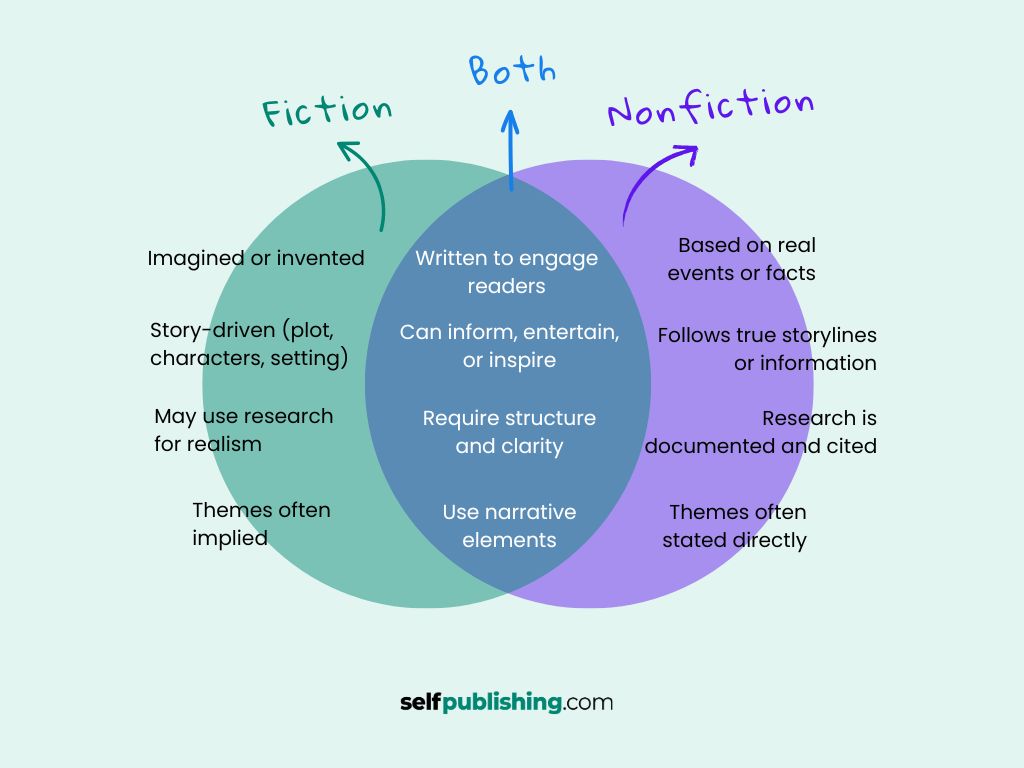
Let's look at what goes into a fiction submission package.
Selling a Novel BEFORE You Write It?! | How to Write a Book Proposal for a Publisher (FICTION)
In 'Selling a Novel BEFORE You Write It?!', author Michelle Schusterman clarifies what a fiction proposal entails. This video is excellent for understanding the components and purpose of a fiction submission package.
Watch the video from 00:32 to 06:28. Notice how the elements—pitch, blurb, outline, and sample chapters—are all geared towards showcasing a story that is already conceived.
Analyzing the Elements of a Fiction Submission Package
As you saw in the video, the elements of a fiction submission package are designed to sell a story.
-
Query Letter/Pitch/Blurb: This is the hook. It functions like the copy on the back of a book. It can include a short, one-sentence pitch and a longer, more voicey blurb (1-2 paragraphs) that introduces the main character, the central conflict, and the stakes, without giving away the ending.
-
Synopsis: This is a summary of the entire plot, from beginning to end—including spoilers. While the blurb is a teaser, the synopsis is a tool for the editor. It demonstrates that you can structure a compelling narrative arc with rising action, a climax, and a resolution. As noted in the Steve Laube Agency article "Book Proposal Basics," a fiction synopsis tells "the whole story in a nutshell."
-
Sample Chapters: Typically, this means the first three chapters or the first 50 pages. This is the most crucial part. The query and synopsis might pique an editor's interest, but the sample pages must deliver. They need to establish the voice, introduce the characters, and set the story in motion in a way that makes the editor need to know what happens next.
-
Series Potential (Optional): If the book is the first in a potential series, including short blurbs for future books can be a smart move. It shows the editor that the world and characters have longevity, which is commercially attractive.
Synthesis: A Comparative View
To solidify your understanding, here is a table comparing the key elements of nonfiction and fiction proposals. From an editor's perspective, this highlights what you're looking for in each document.
| Element | Nonfiction Proposal | Fiction Submission Package |
|---|---|---|
| Primary Goal | To secure a contract to write the book. | To convince an editor/agent to read the full manuscript. |
| Overview/Pitch | A 2-4 page "executive summary" of the book's idea, market, and author's platform. | A 1-2 paragraph "back cover" blurb in a query letter, focused on story and hook. |
| Author Credibility | Author Platform is critical. Bio focuses on expertise, credentials, and audience reach. | Writing is critical. Bio is secondary and focuses on relevant personal details or writing credits. |
| Market Analysis | Essential. Includes detailed analysis of target audience and comparable titles to prove market viability. | Optional/Minimal. Often limited to a few comparable titles in the query letter to position the book's genre and tone. |
| Book Structure | Chapter-by-chapter outline detailing the argument/information in each chapter. | Full-plot synopsis (1-5 pages) that summarizes the narrative arc, including the ending. |
| Writing Sample | 1-2 sample chapters to prove writing ability and concept execution. | The first 3 chapters / ~50 pages to demonstrate voice, character, and narrative momentum. |
Conclusion
Today, we've analyzed the anatomy of book proposals, revealing them to be two distinct tools for two distinct purposes.
Key Takeaways:
- A nonfiction proposal is a business case. It focuses on the author's platform, market analysis, and a clear outline to persuade a publisher of a book's commercial potential before it's fully written.
- A fiction "proposal" is a submission package. It uses a query, synopsis, and opening chapters to showcase a compelling story and skilled writing, with the goal of getting an editor to request the completed manuscript.
- As an editor, you analyze a nonfiction proposal for its business viability and a fiction submission for its narrative execution and voice.
Understanding these documents is your first duty as a gatekeeper. They provide the evidence you need to start making the critical editorial decisions that will shape a book's future.
Next Up:
Now that you can identify the key elements of a proposal, our next step is to use that information. In the next lesson, we will learn how to evaluate a manuscript's market viability and suitability for a publisher's list. We'll take the components we've discussed today—like target audience and comparable titles—and put them to practical use.