Hello! Welcome to the first lesson in our new module on Electricity Supplier Operations.
In the previous module, we explored the high-level regulatory and market frameworks, finishing with a look at how electricity is traded across borders. Now, we're shifting our focus from the large-scale wholesale market to the companies that you and I interact with directly: the electricity suppliers. This module will delve into the business of selling electricity to homes and businesses.
Today's learning outcome is to describe the customer onboarding process and the role of Customer Relationship Management (CRM) systems in electricity supply. We will look at how a supplier signs up a new customer and the powerful software systems they use to manage that relationship from day one.
1. The Customer Onboarding Journey
When you switch your electricity provider or move into a new home, you go through a process called customer onboarding. This is the journey from being a potential customer to becoming a registered, active one. For the supplier, this is one of the most critical stages in the customer lifecycle. A smooth, simple, and positive onboarding experience is essential for winning new business and setting the tone for the future relationship.
A generic onboarding journey often follows a few key steps, as illustrated in the diagram below.

In today's market, this journey is almost always digital, taking place on the supplier's website. The quality of this digital experience can make or break a customer's decision to sign up. Let's explore what makes a good digital onboarding process in the context of UK energy suppliers.
The Big Six: What can we learn about digital onboarding?
The following article from the digital agency Adaptable analyzes the digital onboarding funnels of the UK's 'Big Six' energy suppliers. It provides excellent, practical insights into what works and what doesn't.
Please read the sections titled 'Minimise steps', 'Make it obvious and intuitive', 'Mobile experience and accessibility', and 'Avoiding choice overload'. As you read, think about your own experiences with signing up for services online and how these principles apply.
The article highlights several key principles for a successful digital onboarding process:
- Keep it simple and fast: Customers are time-poor. A lengthy process with too many clicks or fields to fill in, like the twelve-click journey for a British Gas quote mentioned, can be a major deterrent. The goal is to get the customer to a personalised quote as quickly and easily as possible.
- Be intuitive: The user interface should be familiar and guide the customer seamlessly. straying too far from conventional web design can cause confusion and frustration. The example of Scottish Power's clunky flow, where users must go backward to personalize their quote, illustrates this point well.
- Prioritise mobile and accessibility: A significant number of users will be signing up on their phones, so the experience must be optimised for mobile devices. Furthermore, ensuring the website is accessible (e.g., with sufficient colour contrast, as noted with E.ON Next) is not only inclusive but also good business, as it ensures the largest possible audience can use the service.
- Avoid "choice overload": Once the customer gets their quote, presenting too many tariff options with dense information can be overwhelming. The article contrasts Ovo's information-heavy layout with Octopus Energy's simpler approach, which presents fewer choices and reduces the cognitive load on the customer, making a decision easier.
A poorly designed onboarding process doesn't just risk losing a potential customer; it also reflects poorly on the supplier's brand and suggests their ongoing service might also be complicated and difficult to navigate.
Test your understanding!
Imagine an energy supplier has a very detailed and complex online sign-up form that asks for lots of information upfront. Based on the principles we've just discussed, why might this be a bad idea for the supplier?
Show answer
A complex form violates the "Minimise steps" principle. It increases the time and effort required from the potential customer, making them more likely to abandon the process. It can also be perceived as intrusive and may not be optimised for mobile users, potentially losing a large portion of the market. First impressions count, and a difficult sign-up process can signal a difficult company to deal with.
2. Managing the Relationship: The Role of CRM
Once a customer is successfully onboarded, the supplier's job has only just begun. They need to manage every aspect of that customer's account for years to come: sending bills, reading meters, handling queries, offering new tariffs, and resolving problems. To do this efficiently for millions of customers, suppliers rely on a critical piece of technology: the Customer Relationship Management (CRM) system.
A CRM is a software platform that acts as a central database and toolkit for all customer interactions. It provides a single, unified view of each customer, accessible to different departments within the company.
The mind map below gives a high-level overview of the core functions of a CRM.
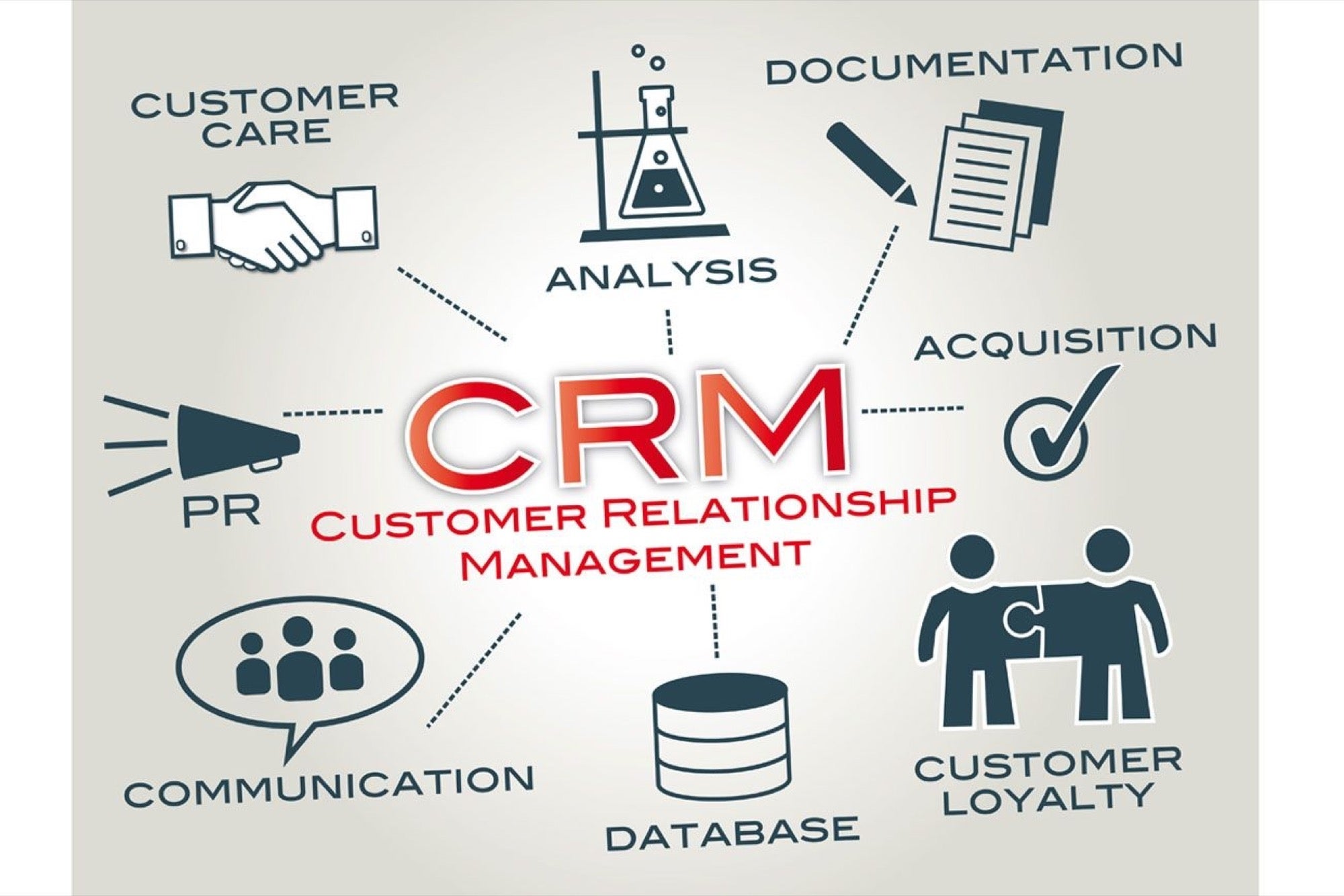
For an electricity supplier, these functions translate into concrete, everyday activities:
- Database: Storing your name, address, contact details, tariff information, and meter readings.
- Communication: Sending you your monthly bill, marketing emails about a new fixed-rate deal, or text messages about a planned power outage.
- Customer Care: A call centre agent uses the CRM to view your history when you call with a billing query. The system logs the call and any follow-up actions.
- Analysis: The supplier analyses data in the CRM to identify customers whose fixed-term contracts are ending or to understand common reasons for complaints.
To see how this works in a real-world UK energy company, let's look at a case study of E.ON.
E.ON UK powers transition to renewable energy with ...
This case study from Microsoft describes why and how E.ON UK, one of the country's largest suppliers, transitioned to a modern CRM system.
Please read the introduction and the sections 'Seeking a unified view of customers and products', 'Energizing the workforce with a modern CRM', and 'Increasing efficiency with automated processes'. Focus on the problems E.ON faced with their old system and the specific benefits they gained from implementing a new, unified CRM.
This case study perfectly illustrates the importance of a modern CRM in electricity supply:
- The Problem: E.ON was using a "homegrown legacy solution" made of multiple, separate applications. This meant customer information was fragmented, IT teams spent all their time on maintenance, and manual processes were inefficient. They lacked a "unified view" of their customers.
- The Solution: They implemented Microsoft Dynamics 365, a single, integrated CRM platform for their sales, customer service, and field service teams.
- The Benefits:
- Efficiency: The new system automated previously manual, spreadsheet-based tasks. The example of the property handoff process being reduced from 20 minutes to a fully automated action is a powerful one. This frees up customer service advisors to handle more complex issues.
- Improved Customer Service: With a unified view of the customer, employees can provide better and faster support. Field engineers have more confidence in the system, leading to more successful smart meter installations on the first try.
- Future-Proofing: The modern CRM makes it easier for E.ON to grow its business and offer new sustainable products like solar panels and EV chargers, managing the sales and installation process within the same system.
In essence, the CRM system is the operational backbone of a modern electricity supplier, connecting the customer's initial sign-up to every subsequent interaction they have with the company.
Conclusion
In this lesson, we have moved from the high-level grid to the customer-facing side of the energy industry. We've explored the crucial first step in the supplier-customer relationship and the systems that manage it.
Key Takeaways:
- Customer onboarding is the process of signing up a new customer. In the digital age, a simple, intuitive, and fast online experience is vital for attracting and retaining customers.
- Suppliers must avoid common pitfalls like overly complex forms, confusing website layouts, and a lack of mobile optimisation.
- Customer Relationship Management (CRM) systems are the core software platforms used by suppliers to manage all customer interactions and data.
- A modern, unified CRM provides a single view of the customer, automates processes, improves efficiency, and enables better customer service, as demonstrated by the E.ON case study.
Preview of the next lesson:
Now that we understand how a customer is brought on board and managed within a CRM, what is one of the most regular and important interactions they have with their supplier? Getting their bill. In our next lesson, we will dive into the details of this fundamental process: "Explain the electricity billing process, from meter data collection to bill generation and validation."